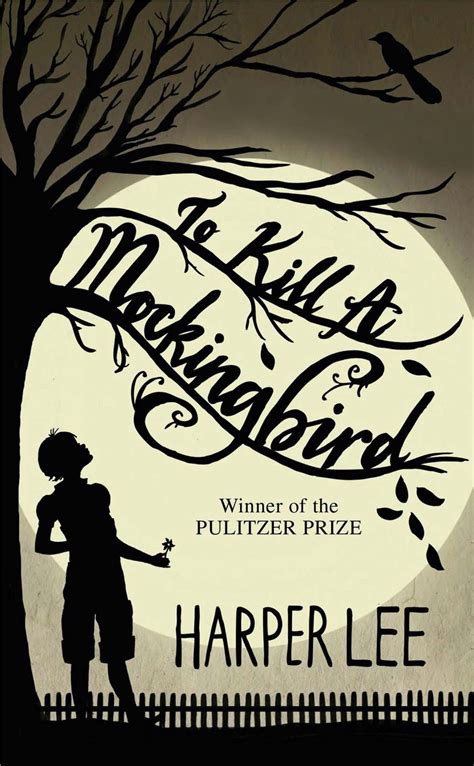
The novel "To Kill a Mockingbird" by Harper Lee is a timeless classic that has captivated readers with its richly woven characters and thought-provoking themes. At the heart of the story are the main characters, each with their unique personalities, motivations, and conflicts. In this article, we will delve into the world of Maycomb, Alabama, and explore the complexities of the novel's primary characters, including Scout Finch, Jem Finch, Atticus Finch, Boo Radley, and Tom Robinson.
Introduction to the Main Characters
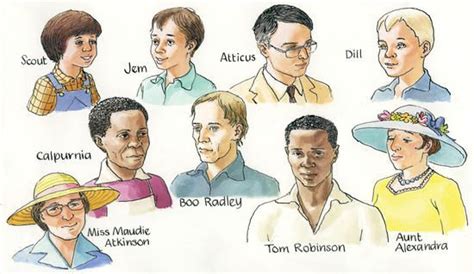
The story is told through the eyes of Scout Finch, a young and precocious girl who lives with her older brother Jem and their father, Atticus, in the fictional town of Maycomb. The character dynamics are expertly crafted, allowing readers to experience the world through Scout’s naive yet insightful perspective. As the story unfolds, we are introduced to a cast of characters that shape the narrative and challenge the protagonists’ understanding of justice, empathy, and humanity.
Key Points
- The main characters in "To Kill a Mockingbird" are Scout Finch, Jem Finch, Atticus Finch, Boo Radley, and Tom Robinson.
- Each character plays a crucial role in the development of the plot and the exploration of themes such as justice, empathy, and racial tension.
- The characters' experiences and interactions are shaped by the historical context of the Deep South during the 1930s.
- Atticus Finch is widely regarded as a moral compass and a symbol of integrity, while Boo Radley represents the mysterious and misunderstood "other."
- The novel's exploration of childhood innocence and the loss of innocence is a central theme, as Scout and Jem navigate the complexities of adulthood.
Scout Finch: The Protagonist
Scout Finch is the protagonist and narrator of the novel. She is a young girl who is full of curiosity and a sense of adventure. Throughout the story, Scout learns valuable lessons about justice, empathy, and understanding, which shape her perspective on the world. Her father, Atticus, plays a significant role in her development, teaching her about the importance of kindness, compassion, and doing what is right in the face of overwhelming opposition.
Jem Finch: The Older Brother
Jem Finch is Scout’s older brother and a significant character in the novel. He is at an age where he is struggling to understand the complexities of adulthood and the injustices of the world. Jem’s experiences and interactions with his family and community members contribute to his growth and maturation, as he grapples with the harsh realities of racial tension and small-town life.
Atticus Finch: The Moral Compass
Atticus Finch is the father of Scout and Jem and a highly respected member of the Maycomb community. He is a lawyer who decides to defend Tom Robinson, a black man falsely accused of raping a white woman. Atticus’s defense of Tom is a pivotal moment in the novel, as it highlights the deep-seated racial prejudices that exist in Maycomb and the need for empathy and understanding. Atticus is widely regarded as a moral compass and a symbol of integrity, and his character serves as a role model for Scout and Jem.
Boo Radley: The Mysterious Neighbor
Boo Radley is a reclusive neighbor who lives near the Finch family. He is the subject of local legend and rumors, with many believing him to be a monster. However, as the story unfolds, we learn that Boo is a kind and gentle man who has been misunderstood by the community. His character serves as a symbol of the “other,” highlighting the importance of empathy and understanding in breaking down social barriers.
Tom Robinson: The Wrongly Accused
Tom Robinson is a black man who is falsely accused of raping a white woman, Mayella Ewell. The trial of Tom Robinson is a pivotal moment in the novel, as it highlights the deep-seated racial prejudices that exist in Maycomb. Despite Atticus’s strong defense, Tom is found guilty and sentenced to death. The outcome of the trial is a devastating blow to Scout, Jem, and Atticus, and it serves as a stark reminder of the injustices that exist in their community.
| Character | Role in the Novel |
|---|---|
| Scout Finch | Protagonist and narrator |
| Jem Finch | Older brother and secondary protagonist |
| Atticus Finch | Father and moral compass |
| Boo Radley | Mysterious neighbor and symbol of the "other" |
| Tom Robinson | Wrongly accused black man and victim of racial prejudice |
Themes and Symbolism
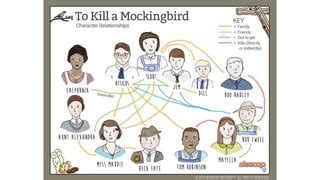
The novel explores a range of themes, including justice, empathy, racial tension, and the loss of innocence. The characters and their experiences are used to illustrate these themes, with Atticus serving as a symbol of integrity and moral guidance. The novel also employs symbolism, with the mockingbird representing innocence and kindness. The character of Boo Radley serves as a symbol of the “other,” highlighting the importance of empathy and understanding in breaking down social barriers.
Racial Tension and Injustice
The novel is set in the Deep South during the 1930s, a time of significant racial tension and injustice. The trial of Tom Robinson is a pivotal moment in the novel, as it highlights the deep-seated racial prejudices that exist in Maycomb. The outcome of the trial is a devastating blow to Scout, Jem, and Atticus, and it serves as a stark reminder of the injustices that exist in their community.
The Loss of Innocence
The novel explores the theme of the loss of innocence, as Scout and Jem navigate the complexities of adulthood. Through their experiences and interactions, they gain a deeper understanding of the world and its injustices. The character of Tom Robinson serves as a symbol of the loss of innocence, as his wrongful conviction and death serve as a stark reminder of the harsh realities of racial tension and injustice.
What is the significance of the title "To Kill a Mockingbird"?
+The title "To Kill a Mockingbird" is significant because it represents the destruction of innocence and kindness. The mockingbird is a symbol of innocence and kindness, and the act of killing it represents the destruction of these qualities.
What is the role of Atticus Finch in the novel?
+Atticus Finch is the father of Scout and Jem and a highly respected member of the Maycomb community. He is a lawyer who decides to defend Tom Robinson, a black man falsely accused of raping a white woman. Atticus's defense of Tom is a pivotal moment in the novel, as it highlights the deep-seated racial prejudices that exist in Maycomb and the need for empathy and understanding.
What is the significance of the character of Boo Radley?
+Boo Radley is a reclusive neighbor who lives near the Finch family. He is the subject of local legend and rumors, with many believing him to be a monster. However, as the story unfolds, we learn that Boo is a kind and gentle man who has been misunderstood by the community. His character serves as a symbol of the "other," highlighting the importance of empathy and understanding in breaking down social barriers.
In conclusion, the main characters in “To Kill a Mockingbird” are expertly crafted to explore the complexities of human nature and the importance of empathy, understanding, and justice. Through their experiences and interactions, we gain a deeper understanding of the historical context of the Deep South during the 1930s and the ongoing struggles of racial tension and inequality. The novel’s exploration of childhood innocence and the loss of innocence is a central theme, as Scout and Jem navigate the complexities of adulthood and grapple with the harsh realities of racial tension and injustice.