The novel "Frankenstein" by Mary Shelley has been a cornerstone of Gothic literature since its publication in 1818. This seminal work explores complex and thought-provoking themes that continue to resonate with readers today. At its core, "Frankenstein" is a rich tapestry of ideas, woven from the threads of human nature, science, responsibility, and the consequences of unchecked ambition. In this article, we will delve into five of the most significant themes present in "Frankenstein," examining their relevance to the novel and their enduring impact on literature and society.
The Dangers of Unchecked Ambition
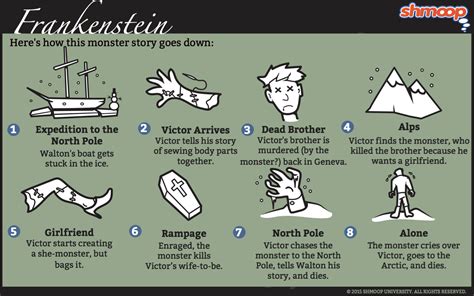
One of the primary themes of “Frankenstein” is the dangers of unchecked ambition. Victor Frankenstein’s obsessive pursuit of knowledge and his desire to create life lead him down a path of destruction, not just for himself, but for those around him. This theme serves as a cautionary tale about the dangers of allowing ambition to cloud one’s judgment and morals. Through Frankenstein’s character, Shelley highlights the importance of considering the ethical implications of scientific discovery and the potential consequences of playing God. For instance, Frankenstein’s creation of the monster is a direct result of his unchecked ambition, leading to devastating consequences for both the creator and the creature.
The Nature of Monstrosity
The concept of monstrosity is another significant theme in “Frankenstein.” The novel challenges traditional notions of what it means to be a monster, presenting the creature as a complex and multifaceted being. Despite its grotesque appearance, the creature is capable of deep emotions, intelligent thought, and a desire for human connection. This theme encourages readers to question their assumptions about what makes someone or something a monster, and to consider the role of societal rejection and isolation in shaping an individual’s identity. For example, the creature’s rejection by its creator and subsequent isolation lead to a deep sense of loneliness and a desire for revenge, highlighting the consequences of societal rejection.
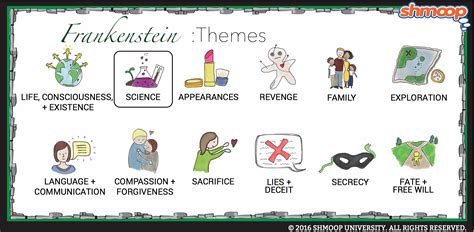
| Theme | Relevance to the Novel |
|---|---|
| The Dangers of Unchecked Ambition | Frankenstein's obsessive pursuit of knowledge leads to devastating consequences |
| The Nature of Monstrosity | The creature's complex character challenges traditional notions of monstrosity |
| Responsibility and Guilt | Frankenstein's guilt over the creature's actions serves as a commentary on the importance of responsibility |
| The Power of Nature | The novel highlights the awe-inspiring power of nature and the dangers of attempting to control it |
| The Importance of Human Connection | The creature's desire for human connection serves as a reminder of the importance of relationships and empathy |
Key Points
- The dangers of unchecked ambition are a primary theme in "Frankenstein," highlighting the importance of considering the ethical implications of scientific discovery
- The nature of monstrosity is a complex and multifaceted theme, challenging traditional notions of what it means to be a monster
- Responsibility and guilt are significant themes in the novel, serving as a commentary on the importance of taking responsibility for one's actions
- The power of nature is a recurring theme, highlighting the awe-inspiring power of nature and the dangers of attempting to control it
- The importance of human connection is a critical theme, serving as a reminder of the importance of relationships and empathy in shaping our identities and experiences
Responsibility and Guilt
Another significant theme in “Frankenstein” is the concept of responsibility and guilt. Victor Frankenstein’s creation of the monster and his subsequent rejection of it serve as a catalyst for the events of the novel. Frankenstein’s guilt over the creature’s actions and the harm it causes to those he loves serves as a commentary on the importance of taking responsibility for one’s actions. This theme encourages readers to consider the consequences of their decisions and the potential harm that can come from avoiding responsibility. For instance, Frankenstein’s refusal to take responsibility for the creature’s actions leads to devastating consequences, highlighting the importance of acknowledging and accepting responsibility.
The Power of Nature
The power of nature is a recurring theme in “Frankenstein,” highlighting the awe-inspiring power of nature and the dangers of attempting to control it. The novel presents nature as a force that is both beautiful and terrifying, capable of inspiring wonder and fear. This theme serves as a reminder of the importance of respecting and appreciating the natural world, rather than attempting to dominate or control it. For example, the novel’s depiction of the Arctic landscape serves as a reminder of the power and majesty of nature, highlighting the dangers of attempting to control or manipulate it.
In conclusion, the themes present in "Frankenstein" continue to resonate with readers today, offering insights into the human experience and the consequences of our actions. By examining the dangers of unchecked ambition, the nature of monstrosity, responsibility and guilt, the power of nature, and the importance of human connection, we can gain a deeper understanding of the novel and its enduring impact on literature and society.
What is the primary theme of “Frankenstein”?
+The primary theme of “Frankenstein” is the dangers of unchecked ambition, highlighting the importance of considering the ethical implications of scientific discovery and the potential consequences of playing God.
How does the novel challenge traditional notions of monstrosity?
+The novel challenges traditional notions of monstrosity by presenting the creature as a complex and multifaceted being, capable of deep emotions, intelligent thought, and a desire for human connection.
What is the significance of the power of nature in the novel?
+The power of nature serves as a reminder of the importance of respecting and appreciating the natural world, rather than attempting to dominate or control it. The novel presents nature as a force that is both beautiful and terrifying, capable of inspiring wonder and fear.