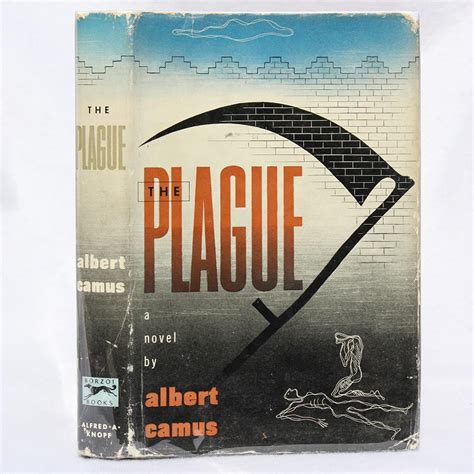
Albert Camus' "The Plague" is a thought-provoking novel that explores the human condition in the face of absurdity and suffering. Published in 1947, the book is a masterpiece of existentialist literature, delving into the complexities of human nature, morality, and the search for meaning in a seemingly indifferent world. Set in the fictional town of Oran, Algeria, the story revolves around a devastating plague that ravages the community, forcing its inhabitants to confront the harsh realities of existence.
Introduction to the Novel’s Context
The novel is set against the backdrop of World War II, and Camus’ own experiences during the French Resistance heavily influenced the writing. The story is a powerful allegory for the Nazi occupation of France, with the plague serving as a metaphor for the oppressive and dehumanizing effects of totalitarianism. Through the characters’ struggles and interactions, Camus masterfully explores the themes of solidarity, resistance, and the human condition, raising essential questions about the nature of evil, suffering, and the role of individuals in the face of overwhelming adversity.
Key Points
- The novel explores the human condition in the face of absurdity and suffering, using the plague as a metaphor for the oppressive effects of totalitarianism.
- The story is set in the fictional town of Oran, Algeria, and is heavily influenced by Camus' own experiences during the French Resistance.
- The novel delves into the complexities of human nature, morality, and the search for meaning in a seemingly indifferent world.
- Through the characters' struggles and interactions, Camus explores the themes of solidarity, resistance, and the human condition.
- The novel raises essential questions about the nature of evil, suffering, and the role of individuals in the face of overwhelming adversity.
Character Analysis: Dr. Rieux and the Symbolism of the Plague
At the heart of the novel is Dr. Bernard Rieux, a compassionate and dedicated physician who becomes the moral center of the story. Rieux’s character serves as a powerful symbol of resistance and humanity, as he selflessly works to alleviate the suffering of the plague’s victims. Through Rieux’s eyes, Camus explores the theme of solidarity, highlighting the importance of individual actions and collective responsibility in the face of overwhelming adversity. The plague itself is a potent symbol, representing the absurd and seemingly inexplicable nature of human suffering, as well as the oppressive forces that seek to dehumanize and dominate individuals.
| Character | Symbolism |
|---|---|
| Dr. Rieux | Compassion, humanity, and resistance |
| The Plague | Absurdity, suffering, and oppression |
| Oran | Isolation, confinement, and the human condition |

Philosophical and Literary Significance

Camus’ “The Plague” is a seminal work of existentialist literature, exploring the complexities of human existence and the search for meaning in a seemingly indifferent world. The novel is a powerful critique of totalitarianism and the dehumanizing effects of oppression, as well as a testament to the human spirit’s capacity for resilience, solidarity, and resistance. Through its exploration of absurdity, suffering, and the human condition, “The Plague” raises essential questions about the nature of evil, the role of individuals in society, and the importance of collective responsibility and action.
Historical Context and the French Resistance
Camus’ own experiences during the French Resistance heavily influenced the writing of “The Plague”. The novel is a powerful allegory for the Nazi occupation of France, with the plague serving as a metaphor for the oppressive and dehumanizing effects of totalitarianism. Through the characters’ struggles and interactions, Camus masterfully explores the themes of solidarity, resistance, and the human condition, raising essential questions about the nature of evil, suffering, and the role of individuals in the face of overwhelming adversity.
What is the significance of the plague in Camus' novel?
+The plague serves as a metaphor for the oppressive and dehumanizing effects of totalitarianism, as well as the absurd and seemingly inexplicable nature of human suffering.
How does Camus' own experience during the French Resistance influence the novel?
+Camus' own experiences during the French Resistance heavily influenced the writing of "The Plague", with the novel serving as a powerful allegory for the Nazi occupation of France.
What are the main themes explored in "The Plague"?
+The novel explores the themes of solidarity, resistance, and the human condition, raising essential questions about the nature of evil, suffering, and the role of individuals in the face of overwhelming adversity.
Camus’ “The Plague” is a thought-provoking and deeply philosophical novel that continues to resonate with readers today. Through its exploration of absurdity, suffering, and the human condition, the novel raises essential questions about the nature of evil, the role of individuals in society, and the importance of collective responsibility and action. As a masterpiece of existentialist literature, “The Plague” remains a powerful and enduring work of 20th-century literature, offering a profound and nuanced exploration of the human condition.