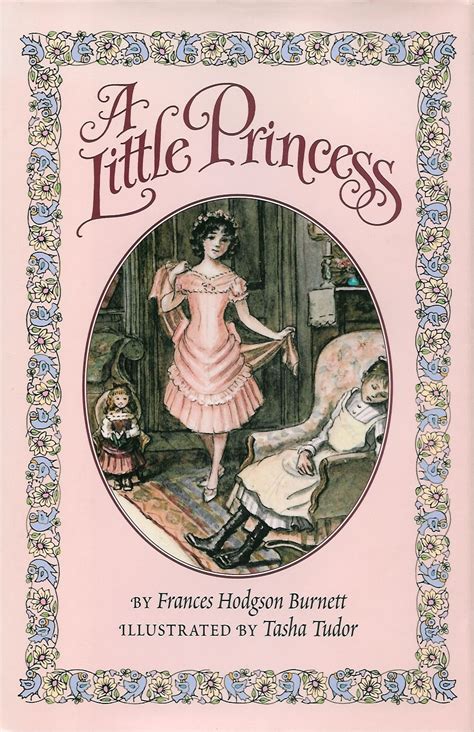
The Little Princess, written by Frances Hodgson Burnett, is a timeless and captivating novel that has been enchanting readers of all ages since its publication in 1905. This beloved classic tells the story of Sara Crewe, a young and imaginative girl who is enrolled in a prestigious boarding school in London by her wealthy and loving father, Captain Crewe. With its richly detailed characters, vivid descriptions of settings, and exploration of themes such as kindness, empathy, and resilience, The Little Princess has become a staple of children's literature, continuing to inspire and delight readers to this day.
One of the most striking aspects of The Little Princess is its well-crafted and relatable protagonist, Sara Crewe. Sara is a kind, gentle, and creative young girl who possesses a remarkable imagination and a deep love for storytelling. Her adventures and misadventures at Miss Minchin's boarding school are both entertaining and poignant, as she navigates the challenges of growing up and learning valuable life lessons about friendship, perseverance, and the importance of staying true to oneself. Through Sara's character, Burnett explores the complexities and vulnerabilities of childhood, creating a deeply human and accessible protagonist that readers can't help but adore and root for.
Key Points
- The Little Princess is a classic novel written by Frances Hodgson Burnett, published in 1905.
- The story revolves around Sara Crewe, a young and imaginative girl enrolled in a prestigious boarding school in London.
- The novel explores themes of kindness, empathy, and resilience, making it a staple of children's literature.
- Sara Crewe is a well-crafted and relatable protagonist, with a remarkable imagination and a deep love for storytelling.
- The novel has been adapted into numerous films, stage plays, and television productions, cementing its place in popular culture.
The Historical Context and Literary Significance
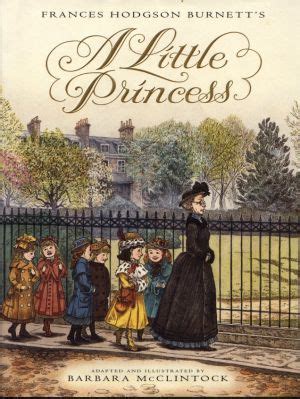
The Little Princess is a product of its time, reflecting the social and cultural values of the early 20th century. Burnett’s novel offers a fascinating glimpse into the lives of the wealthy and the poor during this period, highlighting the stark contrasts between privilege and poverty. The character of Sara Crewe, with her exotic upbringing and privileged background, serves as a symbol of the colonial era’s complexities and the social hierarchies of the time. Furthermore, the novel’s exploration of themes such as empathy, kindness, and the power of imagination resonated deeply with readers during a period marked by social change and upheaval.
The Power of Imagination and Storytelling
One of the most compelling aspects of The Little Princess is its celebration of the power of imagination and storytelling. Sara’s love of stories and her ability to transport herself to imaginary worlds serve as a coping mechanism during times of hardship and struggle. Through Sara’s character, Burnett highlights the importance of creativity, self-expression, and the role of stories in shaping our understanding of the world and ourselves. The novel demonstrates how stories can inspire, educate, and empower individuals, particularly during times of adversity, making it a powerful tribute to the transformative power of literature and imagination.
| Character | Description |
|---|---|
| Sara Crewe | The protagonist, a young and imaginative girl enrolled in a prestigious boarding school in London. |
| Captain Crewe | Sara's father, a wealthy and loving man who enrolls her in the boarding school. |
| Miss Minchin | The strict and cruel headmistress of the boarding school, who treats Sara poorly after her father's death. |

Adaptations and Legacy
The Little Princess has been adapted into numerous films, stage plays, and television productions, cementing its place in popular culture. The most notable adaptation is the 1939 film starring Shirley Temple, which introduced the story to a wider audience and helped to solidify its status as a beloved classic. The novel’s themes and characters have also influenced countless other works of literature and film, making it a significant and enduring part of our cultural heritage.
In conclusion, The Little Princess is a captivating and timeless novel that has enchanted readers for generations. Its richly detailed characters, vivid descriptions of settings, and exploration of themes such as kindness, empathy, and resilience make it a staple of children's literature. Through its well-crafted protagonist, Sara Crewe, and its celebration of the power of imagination and storytelling, The Little Princess offers a deeply human and accessible exploration of the human experience, making it a must-read for readers of all ages.
What is the main theme of The Little Princess?
+The main theme of The Little Princess is the power of imagination and storytelling, as well as the importance of kindness, empathy, and resilience in the face of adversity.
Who is the protagonist of The Little Princess?
+The protagonist of The Little Princess is Sara Crewe, a young and imaginative girl enrolled in a prestigious boarding school in London.
What is the historical context of The Little Princess?
+The Little Princess is a product of its time, reflecting the social and cultural values of the early 20th century. The novel offers a fascinating glimpse into the lives of the wealthy and the poor during this period, highlighting the stark contrasts between privilege and poverty.
Meta Description: Discover the timeless charm of The Little Princess, a classic novel by Frances Hodgson Burnett that explores themes of kindness, empathy, and resilience through the eyes of its imaginative and courageous protagonist, Sara Crewe.