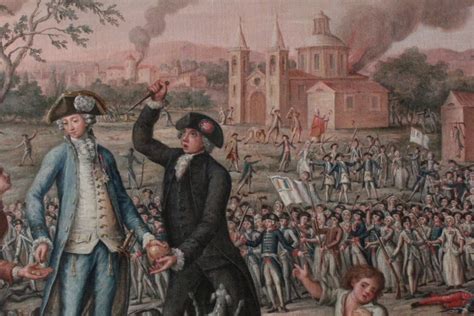
The Great Fear, also known as the Grande Peur, was a widespread panic that swept through the French countryside in the summer of 1789, just before the French Revolution. This phenomenon has been the subject of much historical debate and analysis, with many scholars attempting to understand its causes, consequences, and significance. To comprehend the Great Fear, it is essential to delve into the social, economic, and political context of pre-revolutionary France.
In the late 18th century, France was facing a severe economic crisis, characterized by food shortages, high prices, and widespread poverty. The country was also experiencing a period of significant social change, with the rise of a wealthy bourgeoisie and the decline of the feudal nobility. The burden of taxation, which fell heavily on the common people, further exacerbated the economic hardships. These factors created an atmosphere of discontent and frustration among the population, particularly in rural areas.
Key Points
- The Great Fear was a widespread panic that occurred in the French countryside in the summer of 1789.
- The panic was triggered by rumors of an aristocratic conspiracy to attack and destroy rural communities.
- The Great Fear was a symptom of deeper social, economic, and political tensions in pre-revolutionary France.
- The panic played a significant role in the French Revolution, contributing to the fall of the Bastille and the establishment of the National Assembly.
- The Great Fear highlights the importance of understanding the complex interplay between social, economic, and political factors in shaping historical events.
The Causes of the Great Fear

The Great Fear was sparked by rumors of an aristocratic conspiracy to attack and destroy rural communities. These rumors, which were likely unfounded, spread rapidly throughout the countryside, fueled by the existing atmosphere of discontent and mistrust. The panic was further exacerbated by the perceived inaction of the authorities, who seemed unable or unwilling to address the crisis. As the rumors spread, peasants and rural dwellers began to take matters into their own hands, forming armed mobs and attacking the properties of the nobility.
The Role of Rumors and Propaganda
Rumors and propaganda played a significant role in the spread of the Great Fear. The French countryside was a hotbed of rumor and gossip, with news and information spreading rapidly through oral tradition. The nobility, who were seen as the embodiment of the old regime, were often the target of these rumors, which portrayed them as cruel, oppressive, and determined to crush the common people. The rumors were often fueled by pamphlets, broadsides, and other forms of propaganda, which were widely distributed and helped to create a sense of urgency and panic.
| Year | Event | Consequence |
|---|---|---|
| 1789 | Estates-General convened | Representation of the three estates: nobility, clergy, and commoners |
| July 1789 | Storming of the Bastille | Symbolic end of the absolute monarchy and the beginning of the French Revolution |
| August 1789 | Great Fear | Widespread panic and violence in the countryside, contributing to the fall of the nobility and the rise of the bourgeoisie |
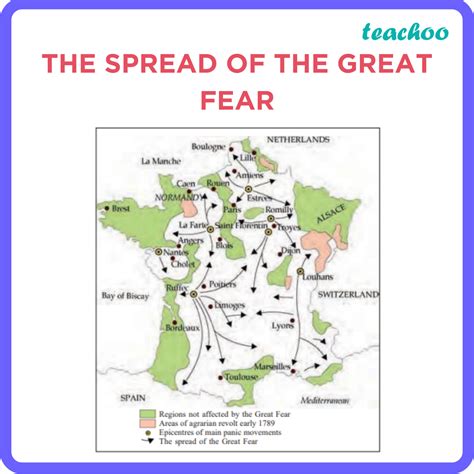
The Consequences of the Great Fear

The Great Fear had significant consequences for the French Revolution and the course of modern history. The panic and violence that characterized the Great Fear helped to create a sense of urgency and momentum, contributing to the fall of the Bastille and the establishment of the National Assembly. The Great Fear also marked a turning point in the relationship between the nobility and the common people, with the former losing their traditional authority and power. As the Revolution progressed, the Great Fear became a symbol of the people’s resistance to oppression and their determination to create a new, more equal society.
The Legacy of the Great Fear
The Great Fear has left a lasting legacy in modern history, serving as a reminder of the power of rumor, propaganda, and popular mobilization. The event has been the subject of much historical debate and analysis, with many scholars attempting to understand its causes, consequences, and significance. The Great Fear has also been seen as a precursor to other modern revolutions, including the Russian Revolution and the Chinese Revolution, which were also characterized by widespread panic, violence, and social change.
What were the main causes of the Great Fear?
+The main causes of the Great Fear were the economic crisis, social change, and rumors of an aristocratic conspiracy to attack and destroy rural communities.
How did the Great Fear contribute to the French Revolution?
+The Great Fear helped to create a sense of urgency and momentum, contributing to the fall of the Bastille and the establishment of the National Assembly.
What is the significance of the Great Fear in modern history?
+The Great Fear highlights the importance of understanding the complex interplay between social, economic, and political factors in shaping historical events, and serves as a reminder of the power of rumor, propaganda, and popular mobilization.
In conclusion, the Great Fear was a complex and multifaceted phenomenon that played a significant role in the French Revolution and the course of modern history. By examining the causes and consequences of the Great Fear, we can gain a deeper understanding of the social, economic, and political factors that shape historical events, and appreciate the importance of understanding the complex interplay between these factors in creating a more just and equal society.