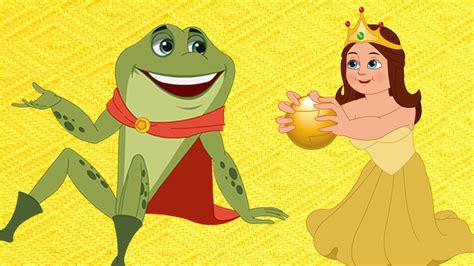
The Frog Prince, a timeless fairy tale collected by the Brothers Grimm, has been a staple of children's literature for centuries. This enchanting story of transformation and redemption has captivated the hearts of readers and audiences alike, with its rich themes and memorable characters. At its core, the narrative revolves around a prince who, under the spell of a wicked witch, is turned into a frog and must find true love's kiss to break the curse. This tale not only explores the power of love and acceptance but also delves into the complexities of identity, morality, and the human condition.
The Origins and Evolution of the Tale
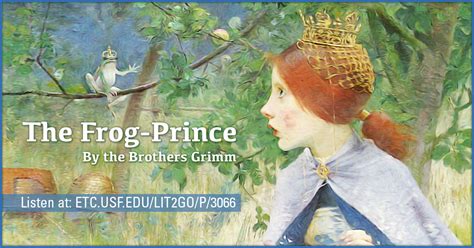
The origins of The Frog Prince are deeply rooted in European folklore, with similar stories appearing in the mythologies of various cultures. The Grimm brothers’ version, published in 1812, is one of the most well-known adaptations of this tale. Over time, the story has undergone numerous interpretations and adaptations, ranging from Disney’s animated films to stage productions and literary reimaginings. Each adaptation has brought its unique twist to the narrative, yet the essence of the story remains intact, speaking to the universality of its themes and the enduring appeal of its characters.
Psychological and Symbolic Interpretations
One of the fascinating aspects of The Frog Prince is its susceptibility to psychological and symbolic interpretations. The transformation of the prince into a frog can be seen as a metaphor for the process of self-discovery and growth, where one must confront and overcome their inner flaws to achieve true transformation. The frog, often associated with transformation and renewal in various cultures, symbolizes the potential for change and the complexity of human nature. Furthermore, the story touches on the theme of prejudice and acceptance, as the princess must look beyond the frog’s exterior to see the prince within, highlighting the importance of empathy and understanding in breaking down social and personal barriers.
| Element | Symbolic Meaning |
|---|---|
| The Frog | Transformation, Renewal, Inner Flaw |
| The Prince | Outer Beauty, Inner Worth, Humanity |
| The Kiss | Love, Acceptance, Transformation |
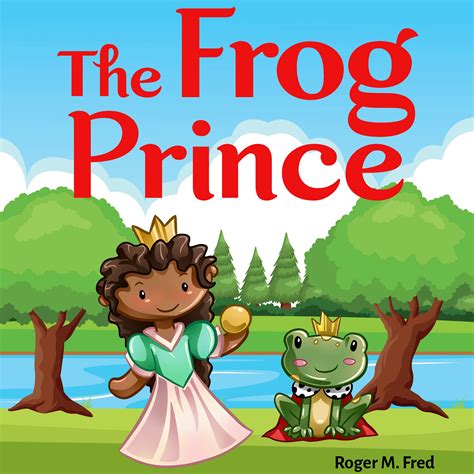
Sociocultural Impact and Adaptations
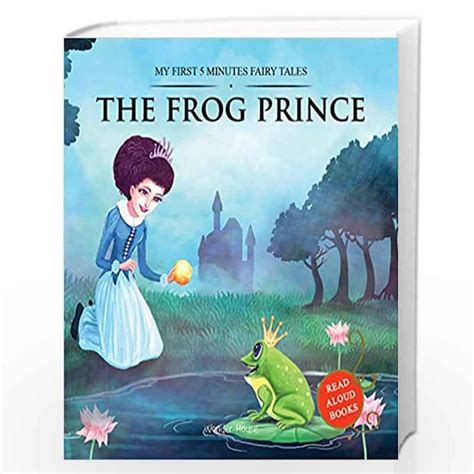
The Frog Prince has had a significant impact on popular culture, inspiring countless adaptations and interpretations across various mediums. From films and stage productions to literature and art, the story’s themes of love, transformation, and acceptance continue to resonate with audiences worldwide. The tale’s adaptability and its ability to be reinterpreted in the context of different cultures and societies speak to its universality and timelessness. Moreover, the story has been used as a tool for teaching children about empathy, kindness, and the importance of looking beyond appearances, highlighting its enduring relevance in modern society.
Education and Moral Lessons
The Frog Prince is often used in educational settings to teach children valuable moral lessons. The story promotes the values of kindness, compassion, and acceptance, encouraging children to look beyond the surface and appreciate the inherent worth of all individuals. Additionally, it teaches about the consequences of one’s actions, as the prince’s transformation is a direct result of his own behavior, and the importance of personal growth and self-improvement. The narrative also subtly introduces children to complex themes such as prejudice, empathy, and the transformative power of love, providing a foundation for deeper discussions and reflections as they grow older.
Key Points
- The Frog Prince is a timeless fairy tale that explores themes of love, transformation, and acceptance.
- The story has its roots in European folklore and has undergone numerous adaptations and interpretations.
- The tale offers profound psychological and symbolic insights into human nature and the process of self-discovery.
- The Frog Prince has had a significant sociocultural impact, inspiring adaptations across various mediums and teaching valuable moral lessons to children.
- The story's universality and timelessness are testament to the enduring power of its themes and characters.
In conclusion, The Frog Prince is more than a simple fairy tale; it is a rich tapestry of themes, symbols, and moral lessons that continue to captivate audiences around the world. Its ability to transcend time and culture, speaking to fundamental aspects of the human experience, ensures its place as a beloved and enduring part of our shared cultural heritage. As we continue to retell and reinterpret this story, we are reminded of the power of love, acceptance, and transformation, and the importance of looking beyond the surface to appreciate the true beauty and worth that lies within each of us.
What are the main themes of The Frog Prince?
+The main themes of The Frog Prince include love, transformation, acceptance, and the power of true love’s kiss to overcome even the most powerful of curses.
What symbolic meanings can be attributed to the frog in the story?
+The frog can be seen as a symbol of transformation, renewal, and the potential for change and growth. It also represents the complexity of human nature and the need to look beyond appearances to find true beauty and worth.
How has The Frog Prince been adapted and reinterpreted over time?
+The Frog Prince has been adapted and reinterpreted in numerous ways, including films, stage productions, literature, and art. Each adaptation brings its unique twist to the narrative, yet the essence of the story remains intact, speaking to its universality and timelessness.