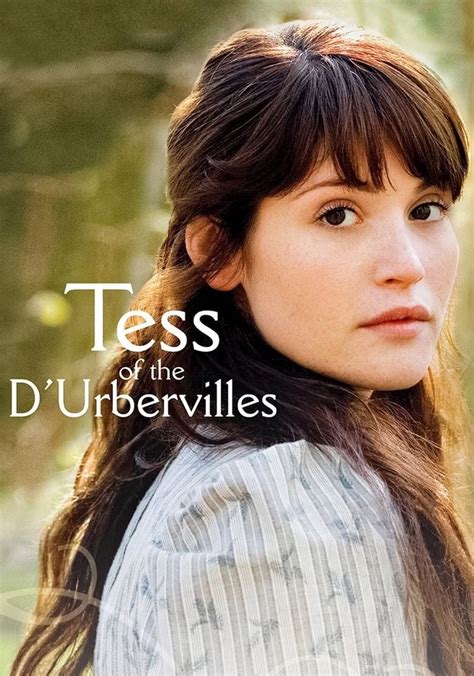
Tess of the d'Urbervilles, written by Thomas Hardy, is a thought-provoking and hauntingly beautiful novel that explores the complexities of human nature, the injustices of societal expectations, and the fragility of life. Published in 1891, this masterpiece of English literature has stood the test of time, continuing to captivate readers with its richly woven narrative and deeply nuanced characters. At its core, Tess of the d'Urbervilles is a powerful exploration of the human condition, delving into themes of fate, morality, and the search for meaning in a seemingly indifferent world.
The Tragic Heroine: Tess Durbeyfield
Tess Durbeyfield, the protagonist of the novel, is a complex and multifaceted character whose tragic story unfolds with devastating precision. A poor and uneducated farm girl, Tess is thrust into a world of cruel circumstance, her life shaped by the harsh realities of poverty, exploitation, and the unforgiving social conventions of her time. Through Tess’s struggles, Hardy masterfully exposes the dark underbelly of Victorian society, laying bare the hypocrisy and cruelty that lurked beneath its polished surface. With her beauty, intelligence, and resilience, Tess embodies the contradictions of her era, exemplifying both the vulnerability and the strength of women in a patriarchal society.
Societal Expectations and the Role of Women
One of the novel’s most striking aspects is its scathing critique of the societal expectations placed upon women during the late 19th century. Tess, as a symbol of feminine virtue and honor, is subjected to the rigid and unforgiving moral codes of her community, codes that ultimately lead to her downfall. Hardy’s portrayal of the limited options available to women, the oppressive nature of patriarchal society, and the tragic consequences of transgressing societal norms is both poignant and thought-provoking. Through Tess’s story, the novel underscores the devastating impact of a society that denies women agency, autonomy, and the freedom to forge their own destinies.
| Theme | Description |
|---|---|
| Fate vs. Free Will | The novel explores the tension between fate and personal choice, questioning whether our lives are predetermined or if we have the power to shape our own destinies. |
| Morality and Ethics | Tess of the d'Urbervilles challenges traditional notions of morality, highlighting the complexities of human nature and the difficulty of making judgments about right and wrong. |
| Class and Social Status | The novel critiques the social hierarchy of Victorian England, exposing the injustices and inequalities that characterized life during this period. |
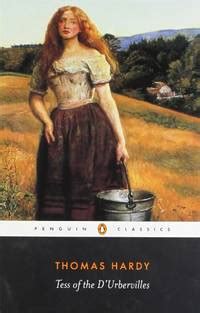
Symbolism and the Natural World
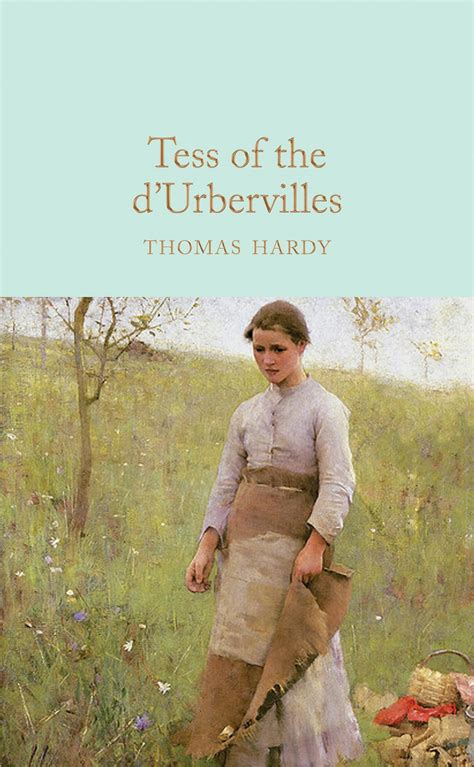
Throughout the novel, Hardy employs a rich array of symbols, drawn from the natural world, to convey the emotional and psychological states of his characters. The landscape of Wessex, with its rolling hills, ancient forests, and rugged coastline, serves as a backdrop for the drama that unfolds, influencing the mood and tone of the narrative. From the oppressive darkness of the woods, where Tess’s fate is sealed, to the vibrant beauty of the dairy farm, where she finds fleeting happiness, the natural world is imbued with a profound symbolism that underscores the human experience.
Key Points
- Tess of the d'Urbervilles is a powerful exploration of the human condition, delving into themes of fate, morality, and the search for meaning.
- The novel offers a scathing critique of societal expectations placed upon women during the late 19th century, highlighting the limitations and injustices of patriarchal society.
- Hardy's use of symbolism, particularly in his depiction of nature, adds depth and complexity to the narrative, inviting readers to reflect on the human experience.
- The novel's portrayal of class and social status underscores the injustices and inequalities of Victorian England, challenging readers to consider the social and economic contexts that shape our lives.
- Tess Durbeyfield, the protagonist, is a complex and multifaceted character whose tragic story serves as a powerful indictment of the societal norms that constrain and ultimately destroy her.
Conclusion and Legacy
Tess of the d’Urbervilles is a masterpiece of English literature that continues to captivate readers with its haunting beauty, nuanced characters, and thought-provoking themes. As a work of social commentary, the novel remains remarkably relevant, offering insights into the human condition that are both timeless and timely. Through its exploration of fate, morality, and the search for meaning, Tess of the d’Urbervilles invites readers to reflect on the complexities of human nature, the injustices of societal expectations, and the fragility of life. As a testament to Hardy’s genius, this novel will endure, a powerful and haunting presence in the literary canon, continuing to inspire, disturb, and enlighten readers for generations to come.
What are the major themes explored in Tess of the d’Urbervilles?
+The novel explores several major themes, including fate vs. free will, morality and ethics, class and social status, and the role of women in society. These themes are woven throughout the narrative, adding depth and complexity to the story.
What is the significance of the natural world in Tess of the d’Urbervilles?
+The natural world plays a crucial role in the novel, serving as a backdrop for the drama that unfolds and influencing the mood and tone of the narrative. Hardy’s use of symbolism, drawn from the natural world, adds depth and complexity to the story, inviting readers to reflect on the human experience.
Why is Tess of the d’Urbervilles considered a classic of English literature?
+Tess of the d’Urbervilles is considered a classic of English literature due to its thought-provoking themes, nuanced characters, and masterful use of symbolism. The novel’s exploration of the human condition, its critique of societal expectations, and its portrayal of the natural world have made it a timeless and hauntingly beautiful work that continues to captivate readers.