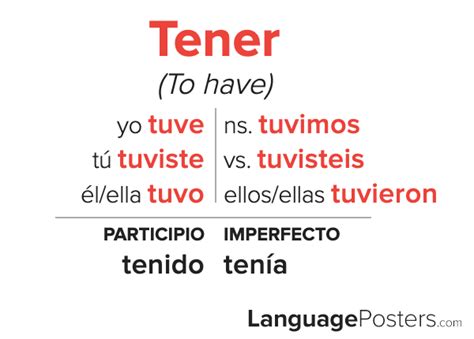
The Spanish verb "tener" is one of the most commonly used verbs in the language, and its preterite conjugation is essential for expressing past actions and events. As a fundamental concept in Spanish grammar, understanding the preterite conjugation of "tener" is crucial for effective communication. In this article, we will delve into the world of "tener" preterite conjugation, exploring its various forms, usage, and examples to help you master this vital aspect of Spanish grammar.
Key Points
- The verb "tener" means "to have" and is used to express possession, age, and other concepts.
- The preterite conjugation of "tener" is used to describe completed actions in the past.
- The preterite conjugation of "tener" has several irregularities, making it essential to memorize its forms.
- Understanding the preterite conjugation of "tener" is vital for expressing past actions and events in Spanish.
- Practice and repetition are key to mastering the preterite conjugation of "tener" and becoming proficient in Spanish.
Understanding the Verb “Tener”
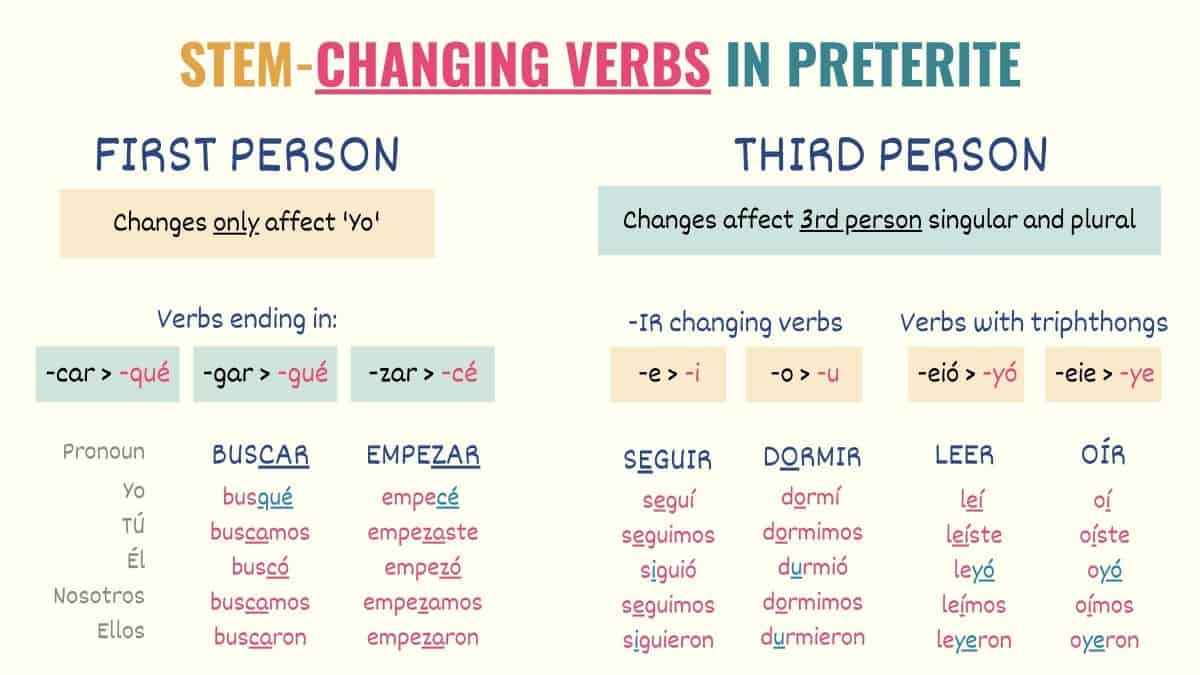
The verb “tener” is a versatile verb that can be used to express a range of concepts, including possession, age, and emotions. For example, “Tengo un libro” means “I have a book,” while “Tengo 25 años” means “I am 25 years old.” The verb “tener” is also used to express emotions and sensations, such as “Tengo hambre” (I am hungry) or “Tengo sueño” (I am sleepy).
Preterite Conjugation of “Tener”
The preterite conjugation of “tener” is used to describe completed actions in the past. The preterite tense is formed by adding the following endings to the root of the verb “tener”:
| Subject | Preterite Form |
|---|---|
| Yo | Tuve |
| Tú | Tuviste |
| Él/ella/usted | Tuvo |
| Nosotros/as | Tuvimos |
| Vosotros/as | Tuvisteis |
| Ellos/as | Tuvieron |
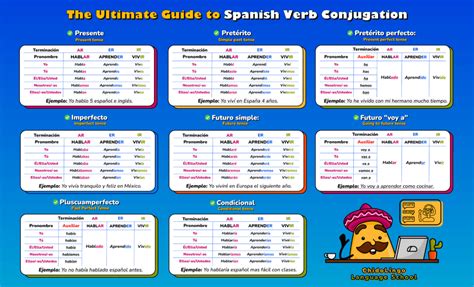
As you can see, the preterite conjugation of "tener" has several irregularities, making it essential to memorize its forms. For example, the verb "tener" does not follow the typical -ar, -er, or -ir conjugation pattern, and its preterite forms are unique.
Usage and Examples
The preterite conjugation of “tener” is used to describe completed actions in the past. For example:
Tuve un accidente de coche ayer (I had a car accident yesterday).
Tuviste razón, me disculpo (You were right, I apologize).
Tuvo un gran éxito en su carrera (He had a great success in his career).
Tuvimos un problema con el pago (We had a problem with the payment).
Tuvisteis suerte de ganar el concurso (You were lucky to win the contest).
Tuvieron que cancelar el vuelo debido al mal tiempo (They had to cancel the flight due to bad weather).
Common Mistakes and Challenges
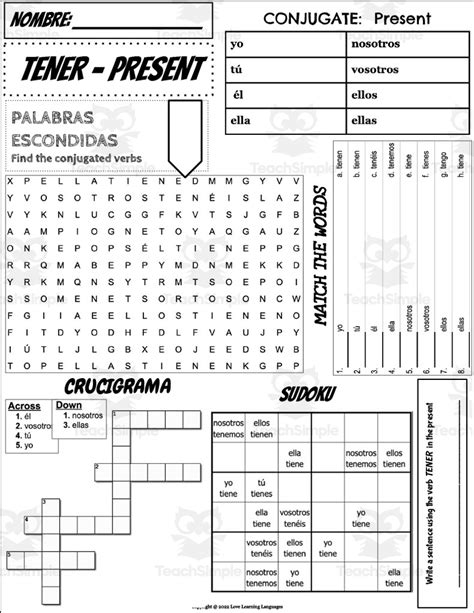
One of the common mistakes when using the preterite conjugation of “tener” is to confuse it with the present tense. For example, “Tengo un libro” (I have a book) is often mistaken for “Tuve un libro” (I had a book). To avoid this mistake, it’s essential to understand the context and the verb tense being used.
Another challenge when using the preterite conjugation of "tener" is to remember its irregularities. As mentioned earlier, the preterite forms of "tener" do not follow the typical conjugation pattern, making it essential to memorize them.
Practice and Repetition
Practice and repetition are key to mastering the preterite conjugation of “tener.” Try to practice the preterite forms of “tener” in context, using flashcards, quizzes, or conversation practice with a native speaker. You can also try to create your own sentences using the preterite forms of “tener” and practice them regularly.
Additionally, listening to and reading Spanish content can help you become more familiar with the preterite conjugation of "tener" and its usage in context. Watch Spanish movies, listen to Spanish music, and read Spanish books or articles to improve your listening and reading comprehension.
What is the preterite conjugation of "tener" used for?
+The preterite conjugation of "tener" is used to describe completed actions in the past.
What are the preterite forms of "tener"?
+The preterite forms of "tener" are: tuve, tuviste, tuvo, tuvimos, tuvisteis, and tuvieron.
How can I practice the preterite conjugation of "tener"?
+You can practice the preterite conjugation of "tener" by creating your own sentences, using flashcards, quizzes, or conversation practice with a native speaker.
In conclusion, the preterite conjugation of “tener” is an essential aspect of Spanish grammar that requires practice and repetition to master. By understanding the preterite forms of “tener” and their usage in context, you can improve your Spanish skills and become more proficient in expressing past actions and events. Remember to practice the preterite conjugation of “tener” regularly and to seek help if you need it. With time and effort, you can become a proficient Spanish speaker and communicate effectively in Spanish.