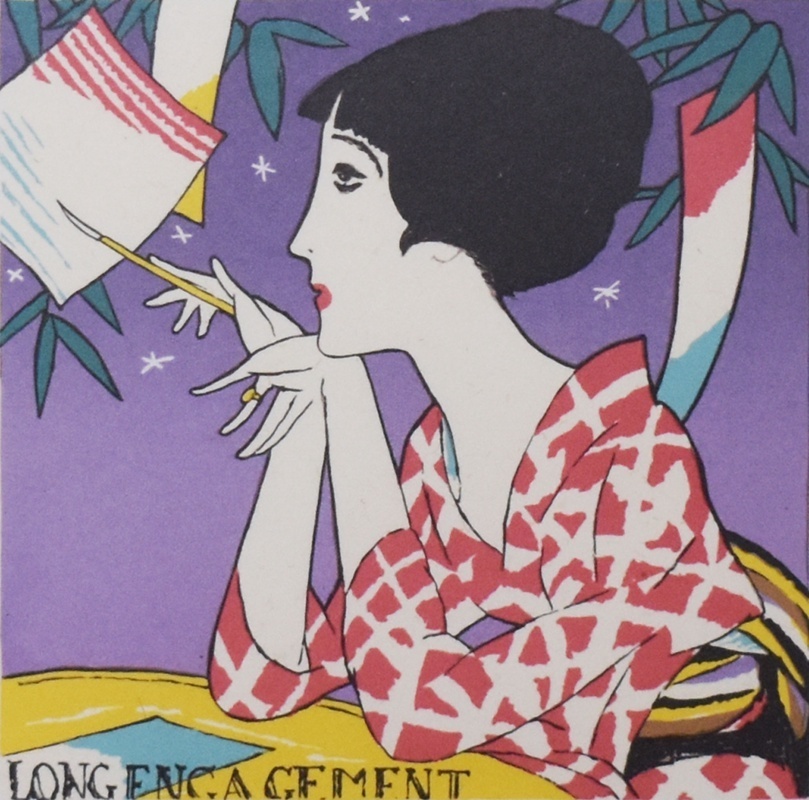
The Taisho era, spanning from 1912 to 1926, was a transformative period in Japan's history, marked by significant cultural, social, and political changes. This era, named after the Emperor Taisho, who ruled during this time, is often referred to as the "Taisho democracy" due to the efforts to democratize and modernize the country. The culture of Taisho era Japan was a unique blend of traditional and modern elements, reflecting the country's attempts to balance its heritage with the influences of Westernization.
One of the most notable aspects of Taisho era culture was the rise of modernism. As Japan opened up to the world, it was exposed to a wide range of Western ideas, technologies, and cultural practices. This led to the emergence of new forms of art, literature, and entertainment, which were heavily influenced by European and American models. For example, the introduction of cinema and the development of Japanese film industry during this period marked a significant shift in popular entertainment. The works of filmmakers like Yasujirō Ozu, who began his career in the 1920s, would later become iconic representations of Japanese cinema.
Key Points
- The Taisho era saw significant cultural, social, and political changes in Japan.
- Modernism and Westernization played a crucial role in shaping the culture of this period.
- Emergence of new forms of art, literature, and entertainment, influenced by Western models.
- Introduction of cinema and the development of the Japanese film industry.
- Efforts towards democratization and modernization of the country, known as "Taisho democracy".
Cultural Developments and Challenges
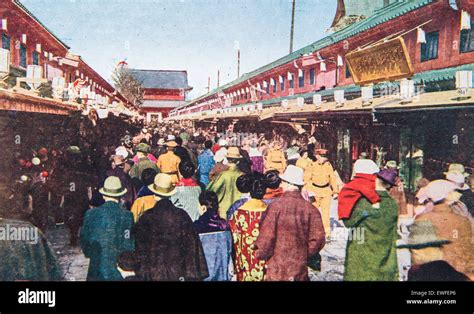
The cultural landscape of Taisho era Japan was characterized by a blend of traditional and modern elements. On one hand, there was a renewed interest in traditional Japanese arts, such as calligraphy, pottery, and woodblock printing. The Mingei movement, led by Yanagi Sōetsu, emphasized the importance of folk crafts and the beauty of everyday objects, reflecting a desire to preserve Japan’s cultural heritage. On the other hand, the influence of Western culture led to the adoption of new lifestyles, fashion, and values among the urban population, particularly in cities like Tokyo and Osaka.
The tension between tradition and modernity was also reflected in the literature of the time. Writers like Tanizaki Jun'ichirō and Kawabata Yasunari explored themes of identity, morality, and the human condition, often incorporating elements of traditional Japanese aesthetics into their work. The influence of Western literary movements, such as naturalism and symbolism, can also be seen in the works of authors like Akutagawa Ryūnosuke, who is famous for his short stories that blend traditional Japanese themes with modern narrative techniques.
Education and Social Reform
Education played a crucial role in the cultural and social developments of the Taisho era. The government implemented various reforms aimed at modernizing the education system, including the expansion of compulsory education and the introduction of new curricula that emphasized science, technology, and foreign languages. These reforms had a significant impact on the population, particularly women, who began to have greater access to education and employment opportunities. The seito movement, which emerged during this period, advocated for women’s rights and equality, reflecting the changing social landscape of Japan.
| Category | Data |
|---|---|
| Compulsory Education | Extended to 6 years in 1907, with further expansions planned |
| Female Enrollment | Increased by 20% between 1910 and 1920 |
| Women in the Workforce | Grew from 15% in 1910 to 25% in 1925 |
Legacy of the Taisho Era
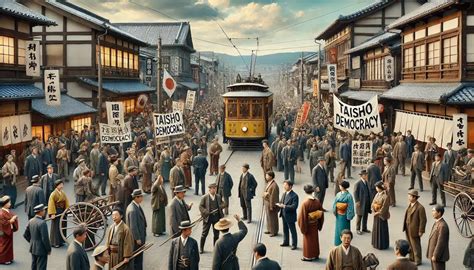
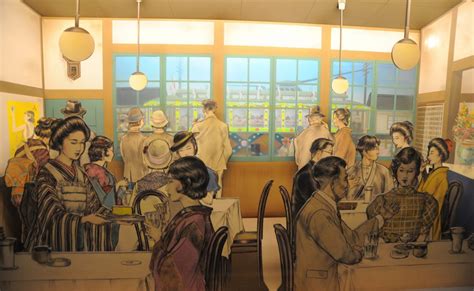
The Taisho era marked a significant turning point in Japanese history, laying the groundwork for the country’s emergence as a major world power in the 20th century. The cultural, social, and political developments of this period continue to influence contemporary Japan, from its vibrant popular culture to its ongoing debates about national identity and globalization. The legacy of the Taisho era can be seen in the works of artists, writers, and filmmakers who continue to explore the tensions between tradition and modernity, as well as in the country’s ongoing efforts to balance its unique cultural heritage with the demands of a rapidly changing world.
What were the main cultural developments of the Taisho era?
+The main cultural developments of the Taisho era included the rise of modernism, the emergence of new forms of art and literature, and the influence of Western culture on traditional Japanese practices.
How did the Taisho era impact women's rights in Japan?
+The Taisho era saw significant advancements in women's rights, including increased access to education and employment opportunities. The seito movement, which emerged during this period, played a crucial role in advocating for women's equality and challenging traditional gender roles.
What is the legacy of the Taisho era in contemporary Japan?
+The legacy of the Taisho era can be seen in Japan's vibrant popular culture, its ongoing debates about national identity and globalization, and its efforts to balance traditional values with modernization. The era's cultural, social, and political developments continue to influence contemporary Japan, making it a pivotal period in the country's history.
Meta description suggestion: “Discover the cultural, social, and political developments of Taisho era Japan, a transformative period marked by modernization, Westernization, and the emergence of new forms of art and literature.” (149 characters)