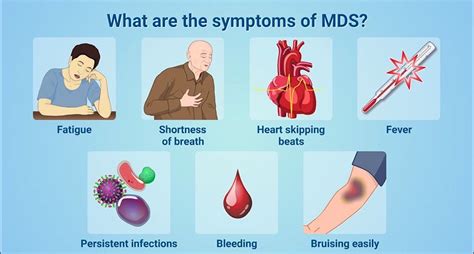
Myelodysplastic syndromes (MDS) are a group of disorders caused by poorly formed or dysfunctional blood cells, typically leading to bone marrow failure. The symptoms and signs of MDS can vary significantly from one individual to another, depending on the specific type of MDS and the extent of bone marrow involvement. In this article, we will delve into the complexities of MDS symptoms and signs, exploring the various manifestations of this condition and the importance of early diagnosis and treatment.
Key Points
- MDS can cause a range of symptoms, including fatigue, weakness, and shortness of breath, due to anemia.
- Recurrent infections and bleeding complications can occur due to low white blood cell and platelet counts.
- Bone marrow failure can lead to severe anemia, requiring frequent blood transfusions.
- Diagnosis of MDS involves a combination of blood tests, bone marrow biopsy, and cytogenetic analysis.
- Treatment options for MDS include supportive care, immunotherapy, and stem cell transplantation, depending on the specific subtype and patient characteristics.
Common Symptoms of MDS
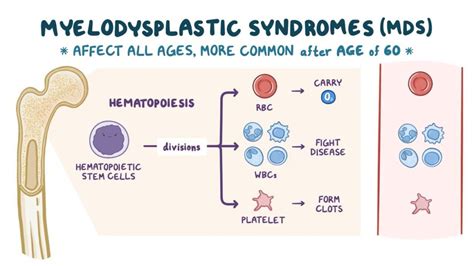
Individuals with MDS may experience a variety of symptoms, which can be nonspecific and similar to those of other conditions. The most common symptoms of MDS include fatigue, weakness, and shortness of breath, which are often related to anemia. Anemia occurs when the bone marrow fails to produce sufficient red blood cells, leading to a decrease in the delivery of oxygen to tissues and organs. Other symptoms of MDS may include weight loss, fever, and night sweats, which can be indicative of an underlying infection or inflammation.
Anemia and Related Symptoms
Anemia is a hallmark of MDS, and its severity can vary depending on the extent of bone marrow involvement. Anemic patients may experience pale skin, headaches, and dizziness, in addition to fatigue and shortness of breath. In severe cases, anemia can lead to heart failure and arrhythmias, highlighting the importance of prompt diagnosis and treatment.
| Symptom | Description |
|---|---|
| Fatigue | Persistent feeling of tiredness or weakness |
| Shortness of breath | Difficulty breathing or feeling winded even at rest |
| Pale skin | Reduced hemoglobin levels leading to pale or washed-out appearance |
Diagnosis and Treatment of MDS

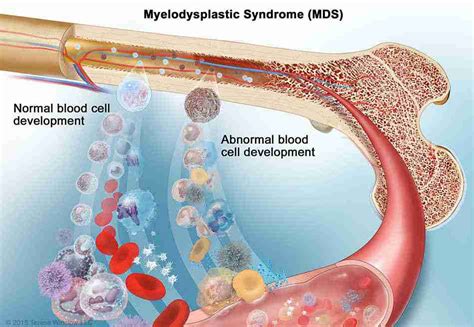
Diagnosing MDS involves a combination of blood tests, bone marrow biopsy, and cytogenetic analysis. Blood tests can help identify abnormalities in blood cell counts, while bone marrow biopsy and cytogenetic analysis provide valuable information about the bone marrow’s cellular composition and genetic mutations. Treatment options for MDS depend on the specific subtype, patient age, and overall health status. Supportive care measures, such as blood transfusions and antibiotics, may be necessary to manage symptoms and prevent complications. Immunotherapy and stem cell transplantation are also considered for eligible patients, offering the potential for improved outcomes and increased survival.
Treatment Considerations
Treatment decisions for MDS should be individualized, taking into account the patient’s unique characteristics, such as age, performance status, and comorbidities. Older adults or those with significant comorbidities may require more conservative management, while younger patients or those with more aggressive disease may be candidates for more intensive therapies, including stem cell transplantation. A multidisciplinary approach, involving hematologists, oncologists, and other specialists, is crucial for optimizing treatment outcomes and improving quality of life for individuals with MDS.
What are the common symptoms of MDS?
+Common symptoms of MDS include fatigue, weakness, shortness of breath, weight loss, fever, and night sweats. Anemia is a hallmark of MDS, and its severity can vary depending on the extent of bone marrow involvement.
How is MDS diagnosed?
+Diagnosing MDS involves a combination of blood tests, bone marrow biopsy, and cytogenetic analysis. These tests help identify abnormalities in blood cell counts, bone marrow cellular composition, and genetic mutations.
What are the treatment options for MDS?
+Treatment options for MDS depend on the specific subtype, patient age, and overall health status. Supportive care measures, immunotherapy, and stem cell transplantation are considered for eligible patients, offering the potential for improved outcomes and increased survival.
In conclusion, MDS symptoms and signs can be complex and varied, emphasizing the need for a comprehensive diagnostic evaluation and individualized treatment approach. By recognizing the common symptoms of MDS and understanding the importance of prompt diagnosis and treatment, healthcare providers can improve outcomes and enhance the quality of life for individuals affected by this condition.