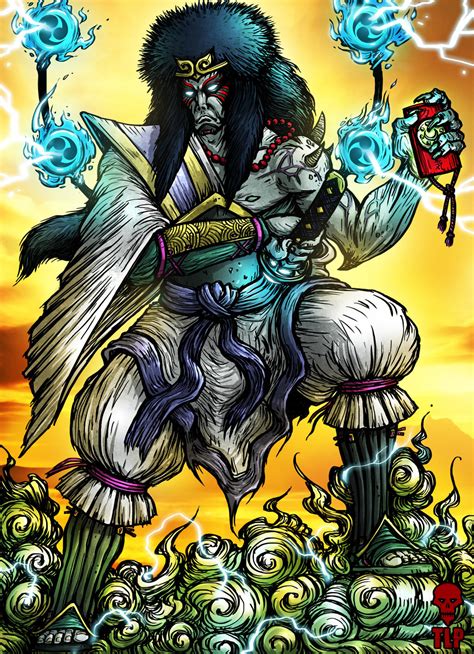
Susanoo no Mikoto, a deity in Japanese mythology, is known for his powerful and complex character. As the god of storms, seas, and fertility, he has been revered and feared in equal measure. His story is deeply intertwined with that of his siblings, Amaterasu, the sun goddess, and Tsukuyomi, the moon god. In this exploration of Susanoo no Mikoto, we will delve into five aspects of his mythology, examining his role in Japanese folklore, his interactions with other deities, and the symbolism associated with his character.
Key Points
- Susanoo no Mikoto's role as the god of storms and seas reflects his association with powerful natural forces.
- His conflict with Amaterasu highlights the delicate balance between different elements in Japanese mythology.
- Susanoo's connection to fertility underscores his importance in agricultural and societal contexts.
- His possession of the Kusanagi sword symbolizes his power and authority.
- The mythological stories surrounding Susanoo no Mikoto offer insights into the complexities of human nature and the natural world.
The Mythological Significance of Susanoo no Mikoto
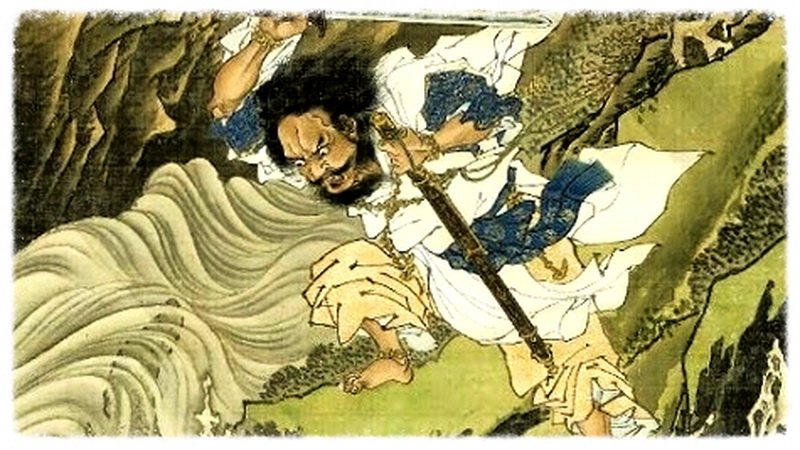
Susanoo no Mikoto’s significance in Japanese mythology is multifaceted. As the storm god, he is often depicted as a powerful, sometimes destructive force. However, his role extends beyond mere chaos, as he is also associated with the cycles of nature and the fertility of the land. This dual nature of his character reflects the complexities of the natural world, where storms can both destroy and nourish the earth.
The Conflict with Amaterasu
One of the most notable stories involving Susanoo no Mikoto is his conflict with his sister, Amaterasu. This tale illustrates the delicate balance between different elements in the universe and the consequences of disrupting this balance. Susanoo’s actions, which included destroying Amaterasu’s rice fields and killing one of her attendants, led to her hiding in a cave, plunging the world into darkness. This mythological event highlights the importance of harmony among the gods and the interconnectedness of their domains.
| Mythological Figure | Domain |
|---|---|
| Susanoo no Mikoto | Storms, Seas, Fertility |
| Amaterasu | Sun |
| Tsukuyomi | Moon |
Susanoo no Mikoto and the Kusanagi Sword
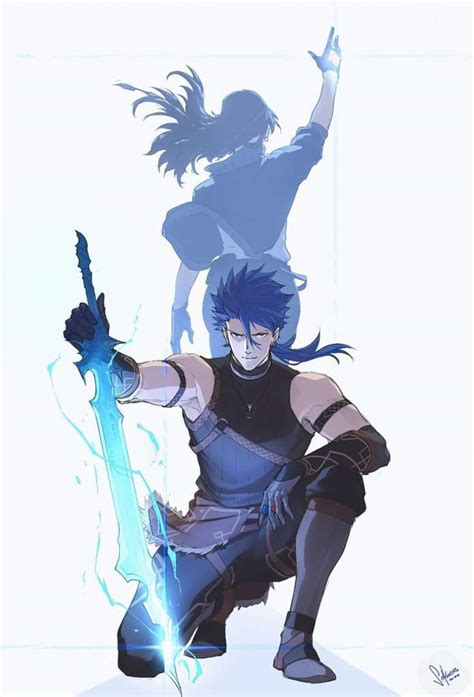
The Kusanagi sword, one of the Three Imperial Regalia of Japan, is closely associated with Susanoo no Mikoto. According to myth, Susanoo discovered the sword in the tail of the eight-headed serpent Yamata no Orochi, which he slew. The possession of the Kusanagi sword by Susanoo no Mikoto symbolizes his power and authority, as well as his role as a protector and defender. The sword is also a symbol of the Japanese imperial family’s legitimacy and divine right to rule.
Fertility and Agricultural Significance
Beyond his association with storms and the sea, Susanoo no Mikoto is also linked to fertility and agricultural prosperity. His actions and stories often involve the cycles of nature and the assurance of fertile land and abundant harvests. This aspect of his character reflects the importance of agriculture in ancient Japanese society and the reliance on natural forces for survival. Susanoo’s role in ensuring fertility highlights the intricate relationship between the divine and human realms in Japanese mythology.
What is the significance of Susanoo no Mikoto in Japanese mythology?
+Susanoo no Mikoto is significant as the god of storms, seas, and fertility, reflecting the complex interactions between natural forces and human society in Japanese mythology.
How does Susanoo no Mikoto's conflict with Amaterasu illustrate the balance of elements in Japanese mythology?
+The conflict between Susanoo and Amaterasu demonstrates the delicate balance between different elements (storms and sun) and the consequences of disrupting this balance, such as plunging the world into darkness.
What does the Kusanagi sword represent in the context of Susanoo no Mikoto's mythology?
+The Kusanagi sword represents Susanoo's power, authority, and his role as a protector. It is also a symbol of the Japanese imperial family's divine right to rule.
In conclusion, Susanoo no Mikoto’s character in Japanese mythology encompasses a wide range of themes and symbolism, from the power of natural forces to the importance of balance and fertility. Through his stories and interactions with other deities, we gain insight into the complexities of the natural world and the human condition. Susanoo no Mikoto remains a fascinating figure, embodying both the destructive and nurturing aspects of nature, and his mythology continues to captivate audiences with its depth and richness.