Introduction to St Thomas Becket
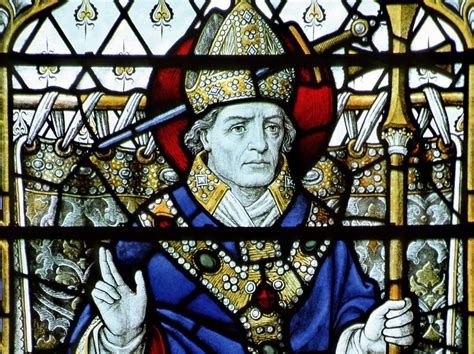
St Thomas Becket, also known as Thomas à Becket, was a significant figure in English history, serving as the Archbishop of Canterbury from 1162 until his murder in 1170. His life and death have become legendary, symbolizing the conflict between church and state. Here, we delve into five fascinating facts about St Thomas Becket, exploring his rise to power, his contentious relationship with King Henry II, and the enduring impact of his martyrdom.
Key Points
- Thomas Becket's early life and rise to prominence as Lord Chancellor of England
- His appointment as Archbishop of Canterbury and subsequent conflict with King Henry II
- The role of the Constitutions of Clarendon in exacerbating tensions between Becket and the king
- The circumstances surrounding Becket's murder in Canterbury Cathedral
- The canonization of Thomas Becket and his legacy in English history and Christian tradition
Early Life and Career
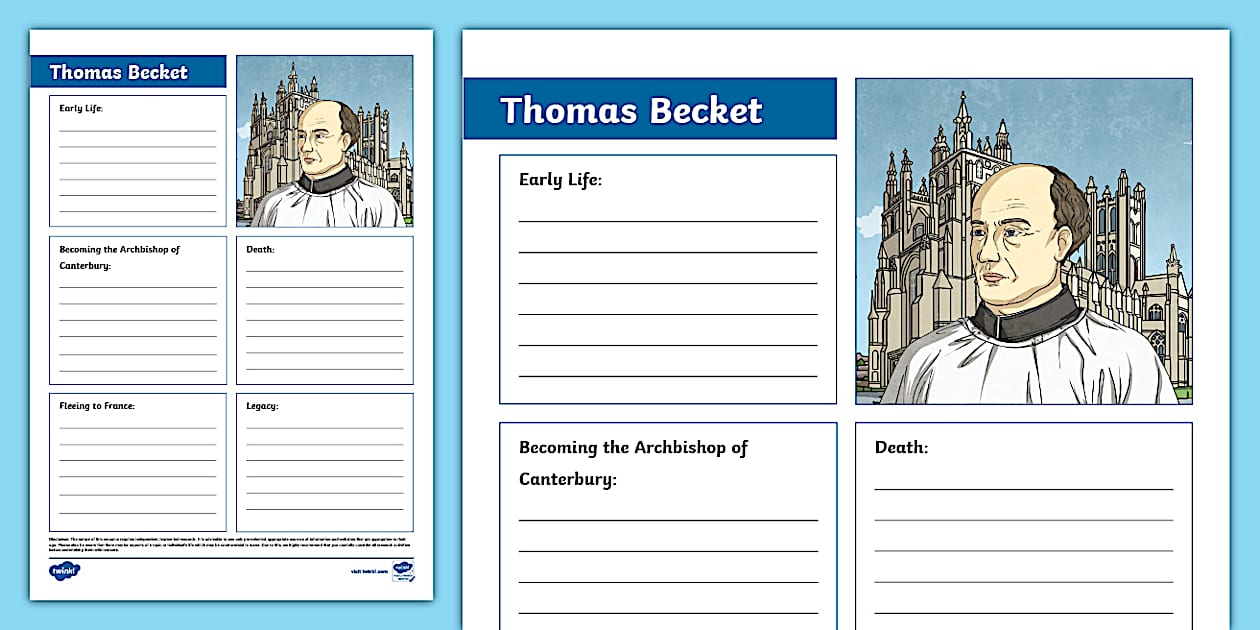
Thomas Becket was born around 1120 in Cheapside, London, to a family of Norman merchants. His early life is not well-documented, but it is known that he received a good education, possibly in Paris, and began his career in the service of Theobald, Archbishop of Canterbury. Becket’s intelligence, charm, and administrative skills quickly earned him favor, and he rose through the ranks, becoming Theobald’s clerk and eventually Archdeacon of Canterbury. In 1155, King Henry II appointed Becket as his Lord Chancellor, a position that gave him significant influence over English politics and further solidified his close relationship with the king.
Rise to Archbishop and Conflict with the King
In 1162, following the death of Theobald, Henry II nominated Becket to succeed him as Archbishop of Canterbury, likely expecting that his friend would continue to support his policies. However, upon becoming archbishop, Becket underwent a profound transformation, dedicating himself to the interests of the church and adopting a more austere lifestyle. This change led to a sharp deterioration in his relationship with the king, as Becket began to oppose Henry’s attempts to extend royal authority over the church. The Constitutions of Clarendon, a set of 16 articles aimed at limiting the power of the church, became a focal point of their dispute. Becket’s refusal to accept these constitutions, particularly the clause that allowed the king to try clergy in secular courts for certain offenses, placed him directly at odds with Henry II.
The Murder and Aftermath
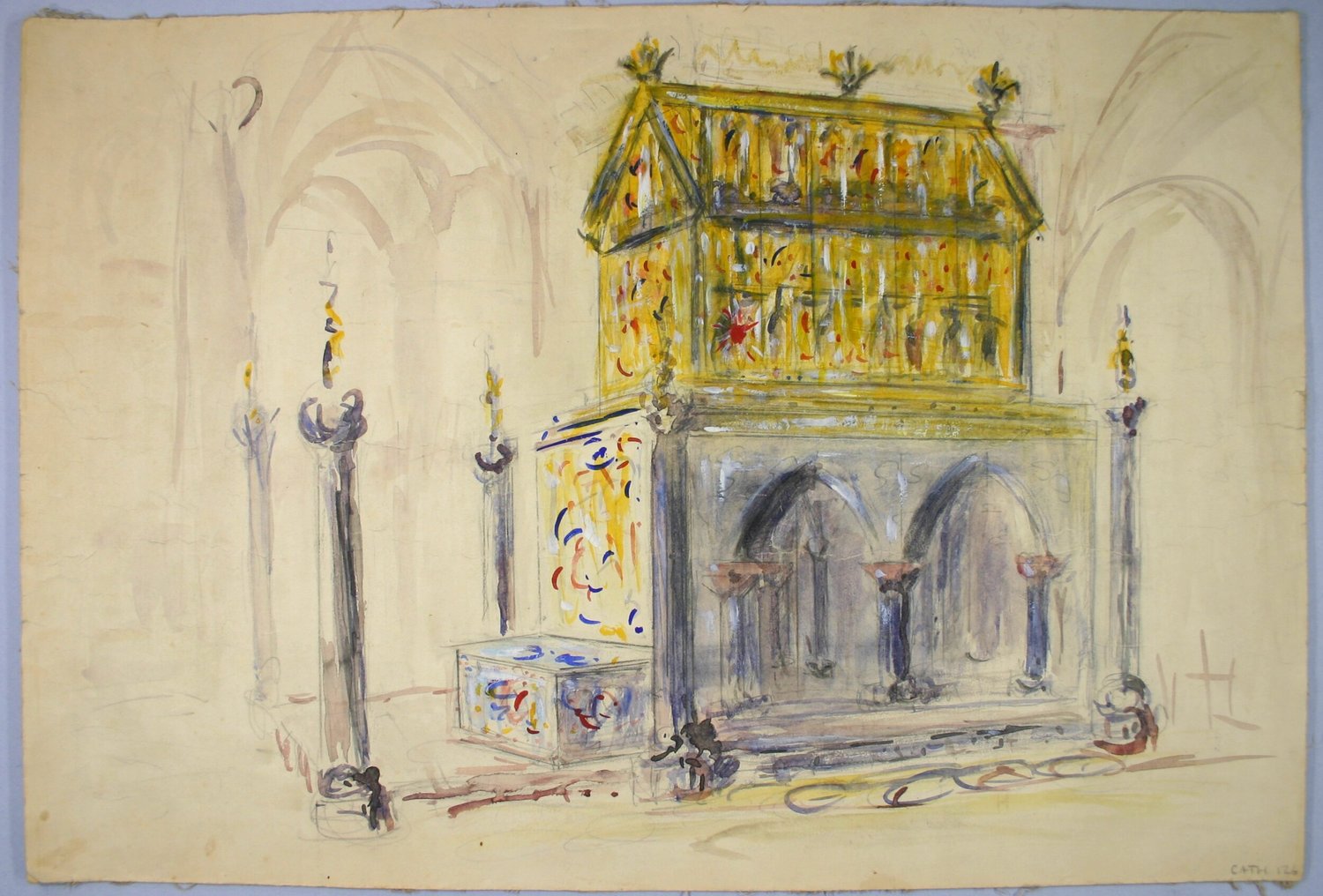
The conflict between Becket and the king culminated in tragedy on December 29, 1170, when four knights, believing they were acting on the king’s behalf, murdered Becket in Canterbury Cathedral. This event sent shockwaves throughout Christendom, leading to widespread outrage and calls for the king’s excommunication. Henry II, though never explicitly admitting to ordering the murder, performed public penance and agreed to certain concessions to the church to alleviate the crisis. Becket’s martyrdom led to his rapid canonization by the Catholic Church in 1173, and he became one of the most revered saints in England, with Canterbury Cathedral becoming a major pilgrimage site.
Legacy of St Thomas Becket
The legacy of St Thomas Becket is complex and multifaceted. His stand against the encroachment of secular power on ecclesiastical authority has been seen as a beacon of resistance against tyranny. The murder of Becket also had significant political repercussions, influencing the development of constitutional law and the relationship between church and state in England. Culturally, his story has inspired countless works of art, literature, and drama, most notably T.S. Eliot’s play “Murder in the Cathedral.” Today, St Thomas Becket remains a powerful symbol of the enduring conflict between spiritual and temporal powers, and his feast day, December 29, is still commemorated by the Catholic Church and the Church of England.
| Year | Event |
|---|---|
| 1120 | Birth of Thomas Becket |
| 1155 | Appointment as Lord Chancellor |
| 1162 | Becomes Archbishop of Canterbury |
| 1164 | Constitutions of Clarendon |
| 1170 | Murder in Canterbury Cathedral |
| 1173 | Canonization |
What was the primary cause of the conflict between Thomas Becket and King Henry II?
+The primary cause of the conflict was the king's desire to extend his authority over the church, particularly through the Constitutions of Clarendon, which Becket opposed as archbishop.
How did the murder of Thomas Becket affect the relationship between the English monarchy and the church?
+The murder led to a significant backlash against the king, forcing him to make concessions to the church and paving the way for a more defined separation of ecclesiastical and secular powers in England.
What is the lasting legacy of St Thomas Becket in English history and Christian tradition?
+St Thomas Becket is remembered as a martyr who stood against the abuse of power, symbolizing the enduring conflict between spiritual and temporal authorities. His legacy continues to influence constitutional law, church-state relations, and is celebrated through various works of art and literature.
As we reflect on the life and legacy of St Thomas Becket, it becomes clear that his story is not merely a historical footnote but a powerful narrative that continues to resonate with themes of power, faith, and the human condition. Through his tumultuous relationship with King Henry II and his ultimate martyrdom, Becket has left an indelible mark on English history, Christian tradition, and the broader cultural landscape.