A sore throat after surgery is a common complication that can cause significant discomfort and distress for patients. Also known as postoperative sore throat (POST), it is estimated to occur in approximately 30-70% of patients who undergo general anesthesia, with the exact incidence varying depending on the type of surgery, anesthetic technique, and patient-specific factors. In this article, we will delve into the causes, risk factors, symptoms, and management strategies for sore throat after surgery, providing healthcare professionals and patients with a comprehensive understanding of this condition.
Key Points
- Sore throat after surgery is a common complication, affecting 30-70% of patients who undergo general anesthesia.
- The causes of POST include endotracheal intubation, anesthesia gases, and surgical positioning.
- Risk factors for POST include longer duration of surgery, larger endotracheal tube size, and presence of respiratory disease.
- Symptoms of POST include throat pain, hoarseness, and cough, which can last from a few hours to several days.
- Management strategies for POST include topical anesthetics, analgesics, and anti-inflammatory medications, as well as non-pharmacological interventions such as hydration and vocal rest.
Causes and Risk Factors
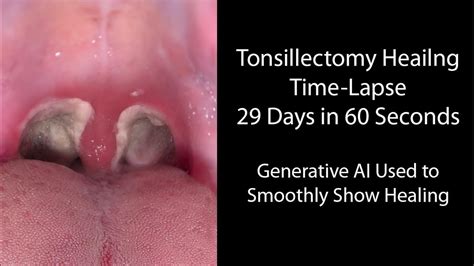
The development of a sore throat after surgery is often multifactorial, with several contributing causes and risk factors. One of the primary causes of POST is endotracheal intubation, which can cause mechanical trauma to the larynx and trachea, leading to inflammation and pain. The use of anesthesia gases, such as nitrous oxide and sevoflurane, can also contribute to the development of POST, as they can dry out the mucous membranes and cause irritation. Additionally, surgical positioning, such as neck extension or flexion, can put pressure on the larynx and trachea, exacerbating the risk of POST.
Risk Factors
Certain patient-specific factors can increase the risk of developing a sore throat after surgery. These include a history of respiratory disease, such as asthma or chronic obstructive pulmonary disease (COPD), which can make the airways more susceptible to irritation and inflammation. The duration of surgery is also a significant risk factor, with longer procedures increasing the risk of POST. Furthermore, the size of the endotracheal tube used during surgery can also impact the risk of POST, with larger tubes causing more trauma to the larynx and trachea.
| Risk Factor | Relative Risk |
|---|---|
| Longer duration of surgery | 1.5-2.5 |
| Larger endotracheal tube size | 1.2-1.8 |
| Presence of respiratory disease | 1.8-3.5 |
| Female sex | 1.2-1.5 |
| Smoking history | 1.5-2.5 |
Symptoms and Diagnosis

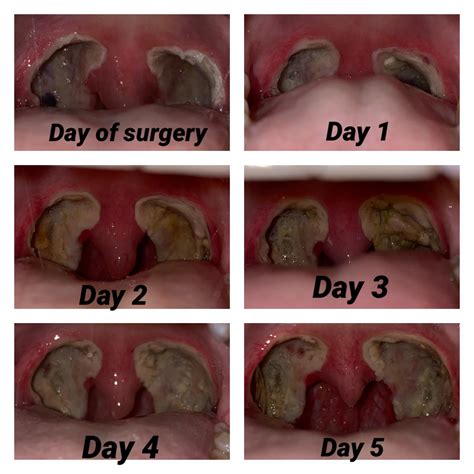
The symptoms of a sore throat after surgery can vary in severity and duration, but typically include throat pain, hoarseness, and cough. In some cases, patients may also experience difficulty swallowing or a sensation of something being stuck in their throat. The diagnosis of POST is usually made based on clinical presentation, with a thorough medical history and physical examination being essential for identifying underlying causes and ruling out other conditions.
Assessment Tools
Several assessment tools can be used to evaluate the severity of POST and monitor patient symptoms over time. The Visual Analog Scale (VAS) is a commonly used tool, which asks patients to rate their pain level on a scale of 0-10. The VAS is a simple and effective way to assess pain intensity, but it may not capture the full range of symptoms experienced by patients with POST.
What are the most common symptoms of sore throat after surgery?
+The most common symptoms of sore throat after surgery include throat pain, hoarseness, and cough. Patients may also experience difficulty swallowing or a sensation of something being stuck in their throat.
How long does a sore throat after surgery typically last?
+The duration of a sore throat after surgery can vary, but it typically lasts from a few hours to several days. In some cases, symptoms may persist for up to a week or longer.
What are the best ways to manage a sore throat after surgery?
+The best ways to manage a sore throat after surgery include using topical anesthetics, analgesics, and anti-inflammatory medications, as well as non-pharmacological interventions such as hydration and vocal rest.
Management and Prevention
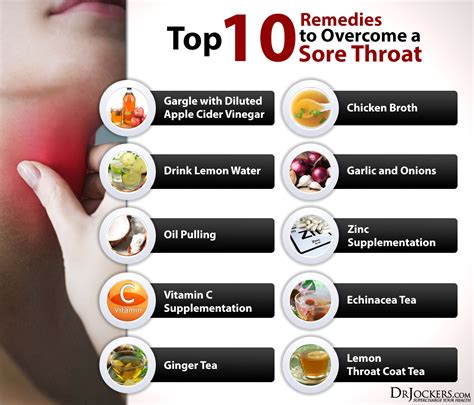
The management of a sore throat after surgery typically involves a combination of pharmacological and non-pharmacological interventions. Topical anesthetics, such as lidocaine or benzocaine, can be used to numb the throat and provide rapid relief from pain. Analgesics, such as acetaminophen or ibuprofen, can also be used to reduce pain and inflammation. In addition to these medications, non-pharmacological interventions such as hydration and vocal rest can help to soothe the throat and promote healing.
Preventive Strategies
Several preventive strategies can be used to reduce the risk of developing a sore throat after surgery. These include using smaller endotracheal tubes, optimizing surgical positioning, and minimizing the duration of surgery. Additionally, the use of humidified anesthesia gases and topical anesthetics during surgery can help to reduce the risk of POST.
In conclusion, a sore throat after surgery is a common complication that can cause significant discomfort and distress for patients. By understanding the causes, risk factors, symptoms, and management strategies for POST, healthcare professionals can take steps to minimize the risk of this complication and improve patient outcomes. As an anesthesiologist, it is essential to consider the individual needs and risk factors of each patient when developing an anesthesia plan, and to work closely with other healthcare professionals to provide comprehensive care and support throughout the perioperative period.