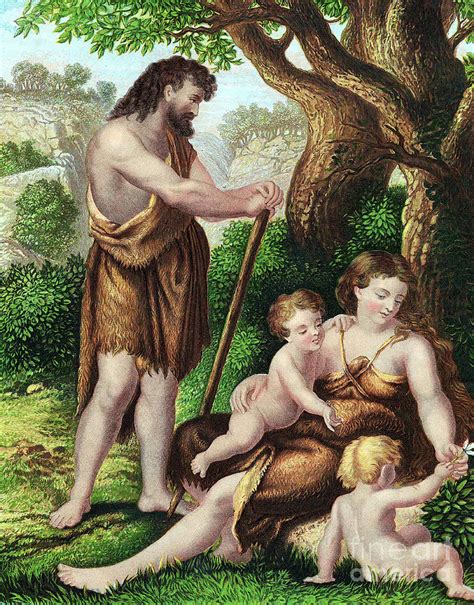
The story of Adam and Eve, the first humans according to biblical tradition, has been a cornerstone of Western religious and cultural heritage for millennia. Their narrative, as described in the book of Genesis, tells the story of creation, sin, and expulsion from the Garden of Eden. However, the biblical account also hints at the existence of other children of Adam and Eve beyond the well-known figures of Cain and Abel. This article will delve into the biblical and historical context surrounding the sons of Adam and Eve, exploring their roles, the implications of their stories, and the theological interpretations that have evolved over time.
Key Points
- The biblical account of Adam and Eve's children primarily focuses on Cain and Abel, but mentions other sons and daughters.
- Seth, the third son of Adam, is often seen as a replacement for Abel and the ancestor of the righteous line leading to Noah.
- The story of Cain and Abel explores themes of sin, jealousy, and redemption, offering insights into human nature and divine justice.
- Historical and theological interpretations of Adam and Eve's children have varied, reflecting changing societal values and religious understandings.
- The narrative of Adam and Eve's family serves as a foundational myth, explaining the origins of humanity and the nature of good and evil.
The Biblical Narrative of Adam and Eve’s Children
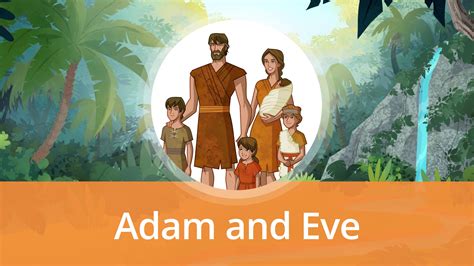
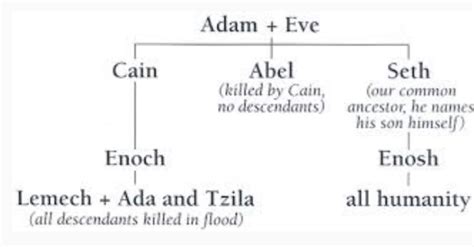
The biblical story of Adam and Eve’s children begins with the narrative of Cain and Abel, their first two sons. Cain, the elder, is a farmer, while Abel is a shepherd. The story takes a tragic turn when Cain, in a fit of jealousy over God’s preference for Abel’s offering, kills his brother. This act of violence leads to Cain’s punishment: he is cursed to wander the earth, and a mark is placed upon him to protect him from those who might seek revenge. The narrative then shifts to the birth of Seth, who is seen as a replacement for Abel and the ancestor of a righteous line of descendants, including Noah, who would eventually save humanity from the flood.
Cain and Abel: A Story of Jealousy and Redemption
The story of Cain and Abel is often interpreted as a tale of jealousy, sin, and the consequences of human actions. Cain’s jealousy towards Abel stems from God’s apparent favoritism towards Abel’s offering, which is described as being of the “firstlings of his flock.” This act of favoritism is seen as a test of Cain’s character, and his failure to pass this test results in the first recorded act of violence in human history. Theological interpretations of this story have focused on the nature of sin, the importance of sacrifice and obedience to God, and the concept of divine justice.
| Figure | Role in Biblical Narrative |
|---|---|
| Cain | First son of Adam and Eve, commits the first murder. |
| Abel | Second son of Adam and Eve, victim of Cain's jealousy. |
| Seth | Third son of Adam and Eve, seen as a replacement for Abel and ancestor of the righteous line. |
Historical and Theological Interpretations
Over the centuries, the narrative of Adam and Eve’s children has been subject to various interpretations, reflecting changing societal values, theological perspectives, and cultural contexts. In early Christian theology, the story of Cain and Abel was seen as a typological representation of the conflict between good and evil, with Abel symbolizing Christ and Cain representing the Jewish people who rejected Jesus. Later interpretations have focused on the psychological and sociological aspects of the narrative, exploring themes such as sibling rivalry, the nature of evil, and the role of religion in shaping human behavior.
Seth and the Righteous Line
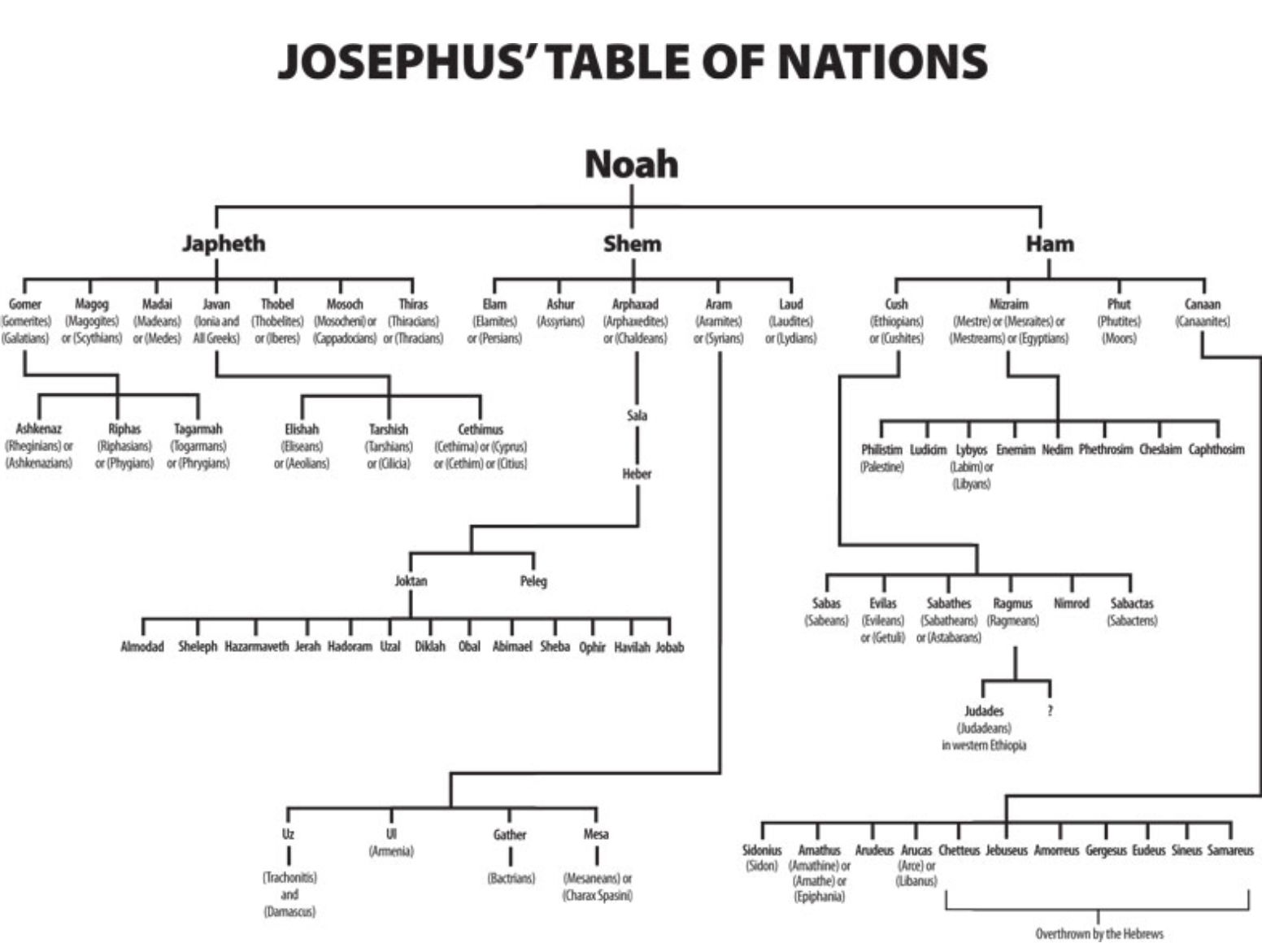
Seth, the third son of Adam, plays a crucial role in the biblical narrative as the ancestor of a righteous line of descendants. His birth is seen as a divine replacement for Abel, ensuring the continuation of a righteous lineage that would eventually lead to Noah and the salvation of humanity from the flood. Theological interpretations of Seth’s role have emphasized his importance as a figure of redemption, highlighting the possibility of righteousness and obedience to God even in the face of sin and adversity.
What is the significance of the story of Cain and Abel?
+The story of Cain and Abel is significant because it explores themes of jealousy, sin, and redemption, offering insights into human nature and divine justice. It also serves as a paradigm for understanding the human condition, highlighting the propensity for violence and the importance of faith and obedience.
Who is Seth, and what is his role in the biblical narrative?
+Seth is the third son of Adam and Eve, seen as a replacement for Abel and the ancestor of a righteous line of descendants, including Noah. His role is crucial in ensuring the continuation of a righteous lineage and highlighting the possibility of righteousness and obedience to God.
What are the implications of the narrative of Adam and Eve's children for our understanding of human nature and divine justice?
+The narrative of Adam and Eve's children offers insights into human nature, highlighting the propensity for jealousy, violence, and sin, while also underscoring the importance of faith, obedience, and redemption. It also provides a framework for understanding divine justice, emphasizing the consequences of human actions and the role of religion in shaping human behavior.
In conclusion, the story of Adam and Eve’s children, particularly the narrative of Cain and Abel, and the role of Seth, offers a rich and complex exploration of human nature, sin, and redemption. Through a nuanced analysis of the biblical account and historical interpretations, we gain a deeper understanding of the theological and psychological themes that underlie this foundational myth. As we reflect on the story of Adam and Eve’s children, we are reminded of the ongoing struggle between good and evil, the importance of faith and obedience, and the ultimate possibility of redemption and salvation.