The Spanish language is renowned for its complex grammar rules, and one of the most challenging aspects for non-native speakers is the conjugation of verbs. The ser imperfect conjugation is a fundamental concept in Spanish grammar, used to describe ongoing or repeated actions in the past. Mastering this conjugation is essential for effective communication in Spanish. In this article, we will delve into the world of ser imperfect conjugation, exploring its usage, conjugation patterns, and providing valuable tips for improvement.
Understanding the Ser Imperfect Conjugation
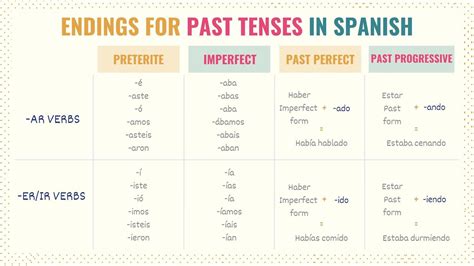
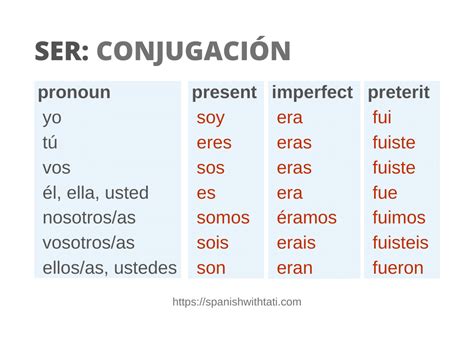
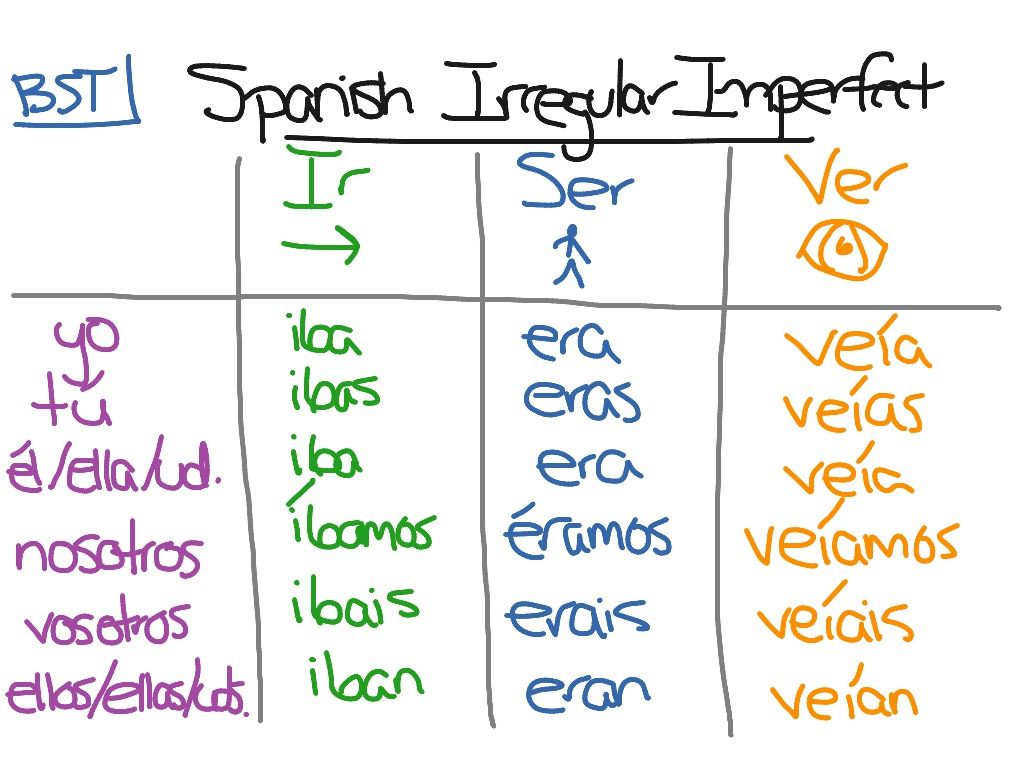
The ser imperfect conjugation is used to describe states of being or conditions that were ongoing or repeated in the past. It is a vital component of Spanish grammar, as it allows speakers to express themselves in a more nuanced and detailed manner. The conjugation of ser in the imperfect tense is relatively straightforward, with the verb “ser” being conjugated as follows: era (I was), eras (you were), era (he/she/it was), éramos (we were), erais (you all were), and eran (they were).
Tip 1: Practice the Conjugation
Practice is key when it comes to mastering the ser imperfect conjugation. Repetition and consistent practice will help solidify the conjugation patterns in your mind, making it easier to recall and use them in context. Try creating flashcards with the different conjugations of ser in the imperfect tense and practice reciting them regularly.
| Subject | Conjugation |
|---|---|
| Yo | era |
| Tú | eras |
| Él/Ella/Usted | era |
| Nosotros/Nosotras | éramos |
| Vosotros/Vosotras | erais |
| Ellos/Ellas/Ustedes | eran |
Tip 2: Focus on Contextual Usage
Understanding the contextual usage of the ser imperfect conjugation is crucial for effective communication in Spanish. Practice using the conjugation in context, such as in sentences or short paragraphs, to help you better understand how to apply it in real-life situations. For example: “Yo era estudiante en la universidad” (I was a student at the university).
Tip 3: Use Authentic Materials
Using authentic materials, such as Spanish texts, videos, or podcasts, can help you improve your understanding and usage of the ser imperfect conjugation. Listen to or read materials that feature the conjugation in context, and try to identify and repeat the conjugations you hear or see.
Tip 4: Engage in Conversations
Engaging in conversations with native Spanish speakers is an excellent way to practice your ser imperfect conjugation skills. Try to find a language exchange partner or tutor who can help you practice using the conjugation in context. This will not only help you improve your grammar skills but also your pronunciation and overall communication abilities.
Tip 5: Be Patient and Persistent
Mastering the ser imperfect conjugation takes time and effort. Don’t get discouraged if you struggle to remember the conjugations or use them correctly at first. With consistent practice and dedication, you will eventually become more comfortable using the ser imperfect conjugation in your Spanish communications.
Key Points
- Practice the ser imperfect conjugation regularly to solidify the conjugation patterns in your mind.
- Focus on contextual usage to understand how to apply the conjugation in real-life situations.
- Use authentic materials to improve your understanding and usage of the ser imperfect conjugation.
- Engage in conversations with native Spanish speakers to practice using the conjugation in context.
- Be patient and persistent, as mastering the ser imperfect conjugation takes time and effort.
In conclusion, mastering the ser imperfect conjugation is a crucial step in becoming proficient in Spanish. By following these tips and practicing consistently, you will be well on your way to improving your grammar skills and communicating more effectively in Spanish.
What is the ser imperfect conjugation used for?
+The ser imperfect conjugation is used to describe states of being or conditions that were ongoing or repeated in the past.
How can I practice the ser imperfect conjugation?
+Practice the ser imperfect conjugation by creating flashcards, using authentic materials, engaging in conversations with native speakers, and focusing on contextual usage.
What are some common mistakes to avoid when using the ser imperfect conjugation?
+Common mistakes to avoid include using the wrong conjugation, failing to use the conjugation in context, and not practicing regularly.
Meta description suggestion: “Improve your Spanish grammar skills with our expert tips on mastering the ser imperfect conjugation. Learn how to practice, use authentic materials, and engage in conversations to become more proficient in Spanish.” (147 characters)