Helping your child develop a strong foundation in reading is one of the most significant gifts you can give them, and second grade is a pivotal year in this journey. At this stage, children are beginning to transition from learning to read to reading to learn, making it an exciting and crucial period for their educational development. Here are five tips to support your child's reading progress in second grade, fostering a love for reading that will last a lifetime.
Creating a Reading Environment
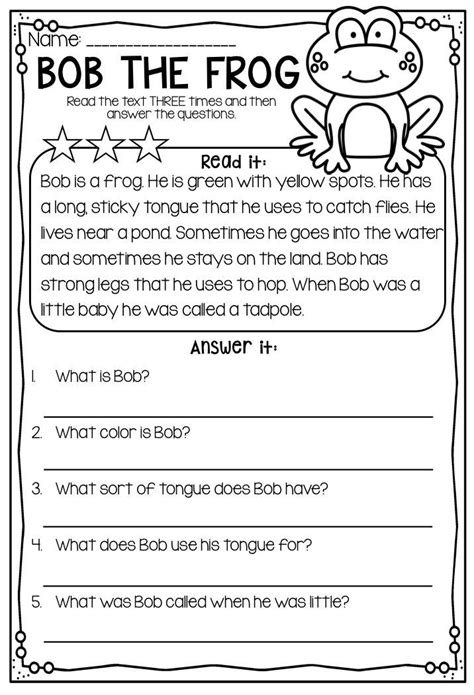
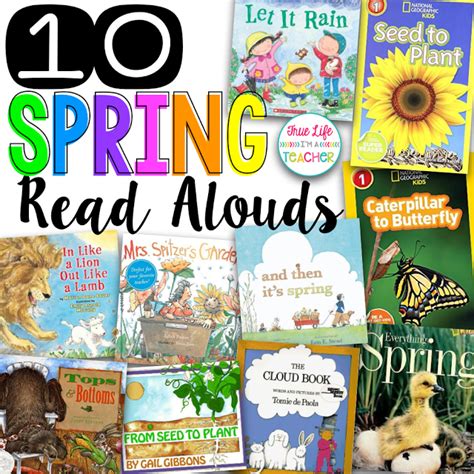
Establishing a conducive reading environment at home is the first step in encouraging your child to read more. This doesn’t have to be an elaborate setup; a simple, quiet corner with a few favorite books and good lighting can work wonders. The key is to make this space inviting and comfortable, signaling to your child that reading is a valued and enjoyable activity. As you help your child choose books, remember to include a mix of fiction and non-fiction, ensuring they are exposed to a variety of genres and topics.
Reading Aloud Together
Reading aloud together is not only a great bonding experience but also a powerful tool for improving reading skills. It allows you to model fluent reading, introduce new vocabulary, and demonstrate how to use expression and intonation. Choose books that are slightly above your child’s reading level but still engaging and manageable with some guidance. As you read, pause occasionally to discuss the plot, ask questions, or clarify any misunderstandings, making the experience interactive and enjoyable.
| Reading Activity | Benefits |
|---|---|
| Independent Reading | Improves fluency, builds confidence |
| Guided Reading | Develops comprehension, introduces new vocabulary |
| Reading Aloud | Enhances expression, promotes bonding |

Key Points
- Establish a dedicated reading space to encourage reading habits.
- Engage in regular reading sessions with your child, including reading aloud together.
- Choose a variety of books that cater to your child's interests and reading level.
- Make reading interactive by discussing the content and asking questions.
- Be patient and celebrate small milestones in your child's reading journey.
Encouraging Independent Reading
While reading together is beneficial, it’s also important to encourage your child to read independently. Start by setting aside dedicated time each day for your child to read on their own, even if it’s just for a few minutes. Gradually increase this time as their reading stamina improves. Offering choices within their reading level can help keep them engaged, as they feel more in control of their reading experience. Remember to occasionally ask about what they’re reading, showing genuine interest in their stories and fostering a sense of pride in their accomplishments.
Using Technology to Support Reading
In today’s digital age, there are numerous apps, e-books, and online resources that can support your child’s reading development. These tools can offer interactive reading experiences, provide access to a wide range of books, and even include features like reading tracking and personalized recommendations. However, it’s essential to use these resources judiciously, ensuring they complement rather than replace traditional reading practices. Setting limits on screen time and encouraging a balance between digital and physical reading materials is crucial for healthy reading habits.
As you navigate the world of second-grade reading with your child, remember that every child learns at their own pace. What's most important is not how quickly they advance, but that they develop a strong foundation and, more importantly, a love for reading. By being supportive, patient, and involved in their reading journey, you can make a significant difference in their academic success and personal growth.
How often should my child read each day?
+Aim for at least 15-20 minutes of reading each day, but be flexible and adjust based on your child's attention span and reading level.
What if my child struggles with reading?
+If your child is struggling, consider seeking help from their teacher or a reading specialist. They can provide targeted strategies and resources to support your child's reading development.
How can I make reading fun for my child?
+Make reading fun by choosing books with engaging stories and characters, creating a cozy reading nook, and making reading a special bonding time for the two of you.
Supporting your child’s reading development in second grade is a rewarding experience that requires patience, creativity, and a willingness to adapt to their unique learning needs. By following these tips and maintaining a positive, encouraging attitude towards reading, you can help your child build a strong reading foundation and foster a lifelong love of learning.