
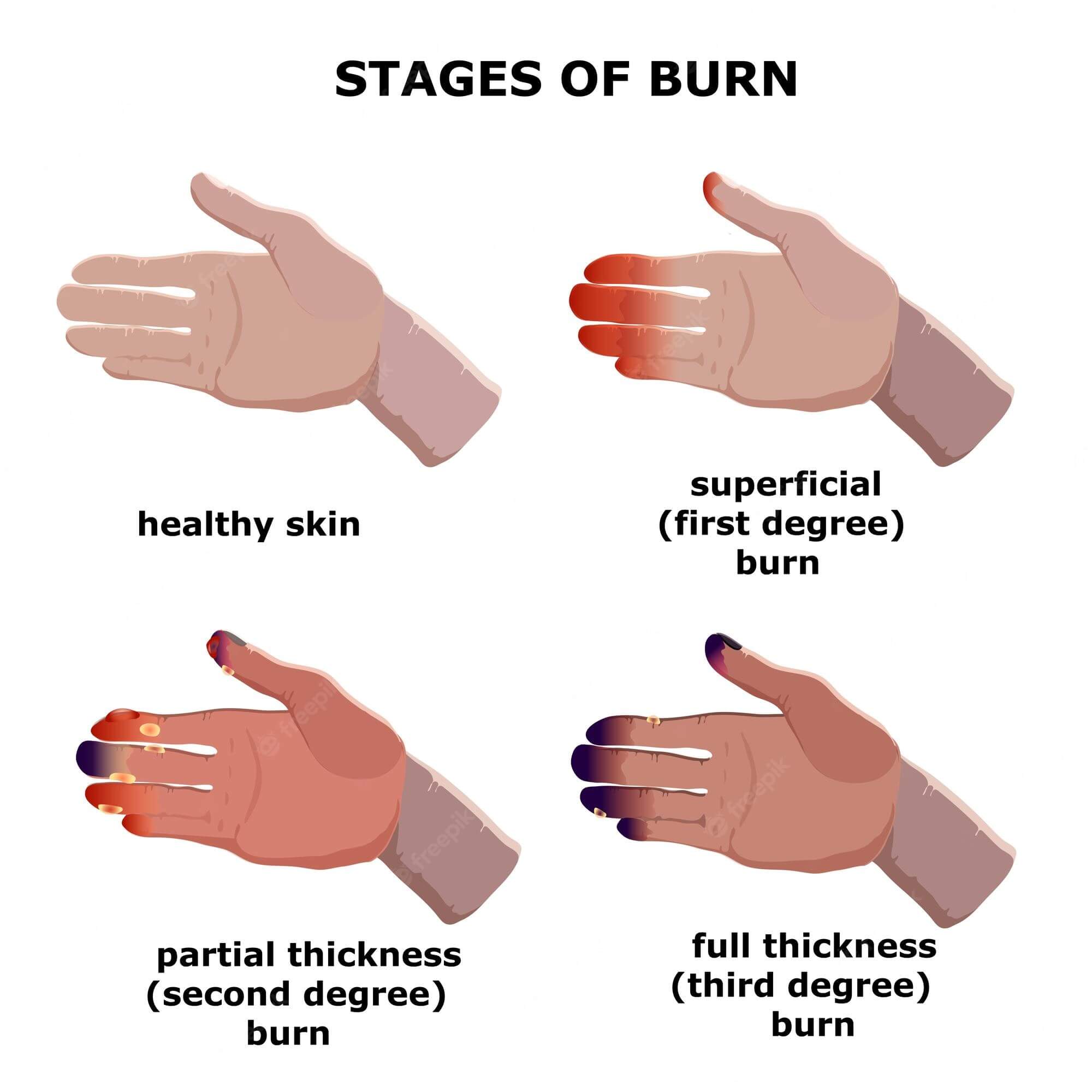
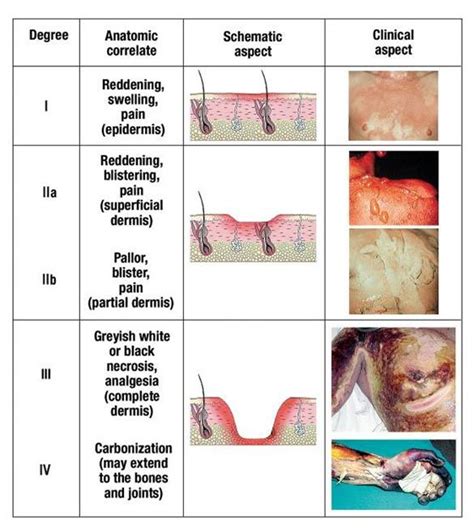
Second-degree burns, also known as partial-thickness burns, are a type of burn injury that affects both the epidermis and dermis layers of the skin. These burns are characterized by the presence of blisters, redness, and swelling, and can be further classified into two subcategories: superficial second-degree burns and deep second-degree burns. Understanding the healing stages of second-degree burns is crucial for promoting optimal recovery and minimizing the risk of complications. In this article, we will delve into the different stages of second-degree burn healing, highlighting the key characteristics, treatment options, and potential challenges associated with each phase.
Key Points
- Second-degree burns are classified into superficial and deep burns, each with distinct healing stages.
- The inflammatory stage is the initial phase of healing, lasting up to 4 days, during which the body's immune response is activated.
- The proliferative stage, lasting from 4-21 days, involves the formation of granulation tissue, contraction, and epithelialization.
- The remodeling stage, which can last for up to 2 years, involves the reorganization of collagen fibers and the improvement of skin strength and appearance.
- Proper wound care, including debridement, dressing, and topical treatments, is essential for promoting optimal healing and preventing infection.
- Smoking, diabetes, and other underlying medical conditions can impede the healing process and increase the risk of complications.
Stage 1: Inflammatory Stage (0-4 days)
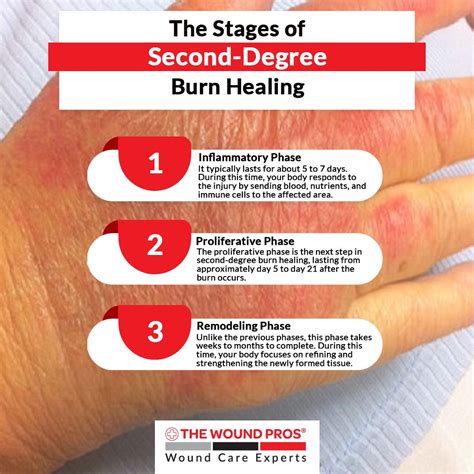
The inflammatory stage is the initial phase of second-degree burn healing, during which the body’s immune response is activated to promote wound healing. This stage is characterized by increased blood flow to the affected area, leading to redness, swelling, and warmth. The inflammatory response involves the release of various chemical mediators, such as cytokines and growth factors, which recruit immune cells to the wound site. These cells, including neutrophils and macrophages, play a crucial role in cleaning the wound by removing debris, bacteria, and damaged tissue.
Key Characteristics of the Inflammatory Stage
During the inflammatory stage, the wound is highly susceptible to infection, and proper wound care is essential to prevent bacterial colonization. The wound may appear red, swollen, and blistered, with a moderate to severe level of pain. The patient may also experience systemic symptoms, such as fever, chills, and fatigue, due to the body’s immune response.
Stage 2: Proliferative Stage (4-21 days)
The proliferative stage is the second phase of second-degree burn healing, during which the wound begins to granulate and contract. This stage is characterized by the formation of granulation tissue, a highly vascularized tissue that provides a foundation for wound healing. The granulation tissue is composed of fibroblasts, endothelial cells, and inflammatory cells, which work together to promote wound closure. As the wound contracts, the edges of the wound begin to approximate, and the surface area of the wound decreases.
Key Characteristics of the Proliferative Stage
During the proliferative stage, the wound begins to epithelialize, with the formation of a new epithelial layer. This process is facilitated by the migration of keratinocytes from the wound edges and the proliferation of stem cells. The wound may appear pink or red, with a decrease in swelling and pain. However, the wound is still susceptible to infection and requires careful wound care to promote optimal healing.
Stage 3: Remodeling Stage (21 days-2 years)
The remodeling stage is the final phase of second-degree burn healing, during which the wound undergoes significant changes in tissue structure and function. This stage is characterized by the reorganization of collagen fibers, which provides strength and elasticity to the wound. The remodeling stage can last for up to 2 years, during which time the wound continues to mature and improve in appearance.
Key Characteristics of the Remodeling Stage
During the remodeling stage, the wound becomes stronger and more resistant to injury. The scar tissue, which forms during this stage, is composed of collagen fibers that are aligned in a more organized fashion than in the granulation tissue. The scar may appear raised, red, or pink, but it will gradually fade over time. However, the scar may remain sensitive to sunlight and other environmental factors, requiring ongoing protection and care.
| Healing Stage | Characteristics | Treatment Options |
|---|---|---|
| Inflammatory Stage (0-4 days) | Increased blood flow, redness, swelling, warmth | Wound cleaning, debridement, topical antibiotics |
| Proliferative Stage (4-21 days) | Granulation tissue formation, contraction, epithelialization | Wound dressing, topical growth factors, physical therapy |
| Remodeling Stage (21 days-2 years) | Collagen fiber reorganization, scar tissue formation | Scar massage, silicone gel sheeting, laser therapy |
Potential Challenges and Complications
Second-degree burns can be associated with various challenges and complications, including infection, scarring, and contracture. Infection is a significant concern, particularly during the inflammatory and proliferative stages, and requires prompt treatment with antibiotics and wound care. Scarring can also be a significant issue, particularly if the wound is deep or large, and may require ongoing treatment with scar massage, silicone gel sheeting, or laser therapy.
Strategies for Promoting Optimal Healing
To promote optimal healing and minimize the risk of complications, it is essential to provide proper wound care, including debridement, dressing, and topical treatments. Smoking cessation, diabetes management, and other underlying medical conditions should also be addressed to optimize the healing process. Additionally, patient education and support are crucial for promoting adherence to treatment plans and minimizing the risk of complications.
What are the most common causes of second-degree burns?
+The most common causes of second-degree burns include scalds from hot liquids, contact burns from hot surfaces, and flame burns from fires.
How can I promote optimal healing of my second-degree burn?
+To promote optimal healing, it is essential to provide proper wound care, including debridement, dressing, and topical treatments. Additionally, smoking cessation, diabetes management, and other underlying medical conditions should be addressed to optimize the healing process.
What are the potential complications of second-degree burns?
+Potential complications of second-degree burns include infection, scarring, contracture, and delayed healing. These complications can be minimized with proper wound care, patient education, and support.
In conclusion, second-degree burn healing involves a complex and dynamic process that requires careful wound care and management. By understanding the different stages of healing, including the inflammatory, proliferative, and remodeling stages, healthcare professionals can provide optimal treatment and support to promote wound healing and minimize the risk of complications. Additionally, patient education and support are crucial for promoting adherence to treatment plans and minimizing the risk of complications. With proper care and management, second-degree burns can heal effectively, and patients can achieve optimal outcomes and improved quality of life.


