
The safety of drinking water in the United States has been a topic of concern for many years, with various contaminants and pollutants being discovered in water supplies across the country. Recently, a mysterious compound has been found in drinking water in several states, leaving scientists and health experts scrambling to understand its origins, effects, and implications. The compound, which has been identified as a type of per- and polyfluoroalkyl substance (PFAS), has been detected in water samples from numerous cities and towns, sparking widespread concern among residents and policymakers alike.
PFAS, also known as "forever chemicals," are a group of synthetic compounds that have been widely used in various industrial and commercial applications, including non-stick cookware, food packaging, and firefighting foam. These chemicals have been shown to be highly persistent in the environment, resisting degradation and accumulating in soil, water, and living organisms. The discovery of PFAS in drinking water has raised serious concerns about the potential health risks associated with long-term exposure to these chemicals, including increased risk of cancer, reproductive problems, and other adverse health effects.
Key Points
- The mysterious compound found in US drinking water is a type of per- and polyfluoroalkyl substance (PFAS), also known as "forever chemicals."
- PFAS have been detected in water samples from numerous cities and towns across the country, sparking widespread concern among residents and policymakers.
- Long-term exposure to PFAS has been linked to various health problems, including increased risk of cancer, reproductive issues, and other adverse health effects.
- The origins and sources of PFAS in drinking water are still not fully understood, but are believed to be related to industrial and commercial activities.
- Regulatory agencies and health experts are working to develop new guidelines and standards for PFAS in drinking water, but more research is needed to fully understand the risks and implications.
Origins and Sources of PFAS

While the exact origins and sources of PFAS in drinking water are still not fully understood, scientists believe that they may be related to various industrial and commercial activities, including the use of PFAS-containing products, waste disposal practices, and environmental contamination. For example, firefighting foam, which contains PFAS, has been used extensively in training exercises and emergency responses, resulting in the release of these chemicals into the environment. Additionally, the production and disposal of PFAS-containing products, such as non-stick cookware and food packaging, may also contribute to the presence of these chemicals in drinking water.
Health Risks Associated with PFAS Exposure
The health risks associated with PFAS exposure are a major concern, as these chemicals have been shown to be highly toxic and persistent in the environment. Studies have linked long-term exposure to PFAS to various health problems, including increased risk of cancer, reproductive issues, and other adverse health effects. For example, a study published in the Journal of the National Cancer Institute found that exposure to PFAS was associated with an increased risk of testicular and kidney cancer. Another study published in the journal Environmental Health Perspectives found that PFAS exposure was linked to reproductive problems, including reduced fertility and increased risk of miscarriage.
| Health Effect | Study Findings |
|---|---|
| Cancer Risk | Increased risk of testicular and kidney cancer associated with PFAS exposure (Journal of the National Cancer Institute) |
| Reproductive Problems | Reduced fertility and increased risk of miscarriage linked to PFAS exposure (Environmental Health Perspectives) |
| Immunological Effects | PFAS exposure associated with changes in immune function and increased risk of infections (Toxicology) |

Regulatory Response and Future Directions
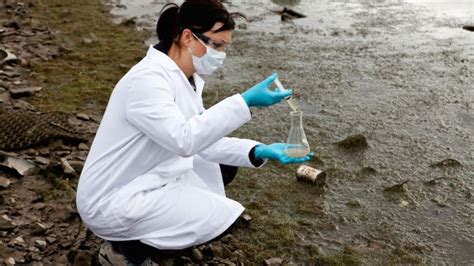
The regulatory response to the discovery of PFAS in drinking water has been slow, but is gaining momentum. In recent years, the US Environmental Protection Agency (EPA) has established a non-enforceable health advisory level for PFAS in drinking water, and several states have implemented their own regulations and guidelines. However, more research is needed to fully understand the risks and implications of PFAS exposure, and to develop effective strategies for reducing exposure and mitigating health effects.
Challenges and Limitations
Despite the growing concern about PFAS in drinking water, there are several challenges and limitations that must be addressed. For example, the lack of standardized testing methods and protocols for detecting PFAS in drinking water makes it difficult to compare results and track trends over time. Additionally, the high cost of PFAS remediation and treatment technologies may be a barrier for small communities and low-income households. Finally, the lack of public awareness and education about PFAS and their health effects may hinder efforts to reduce exposure and promote behavioral change.
What are PFAS, and how do they get into drinking water?
+PFAS, or per- and polyfluoroalkyl substances, are a group of synthetic chemicals that have been widely used in various industrial and commercial applications. They can get into drinking water through various sources, including industrial waste, wastewater treatment plants, and contaminated soil and groundwater.
What are the health risks associated with PFAS exposure?
+The health risks associated with PFAS exposure include increased risk of cancer, reproductive problems, and other adverse health effects. Long-term exposure to PFAS has been linked to various health problems, including testicular and kidney cancer, reduced fertility, and increased risk of miscarriage.
What can I do to reduce my exposure to PFAS in drinking water?
+To reduce your exposure to PFAS in drinking water, you can consider using a water filter that is certified to remove PFAS, avoiding products that contain PFAS, and supporting policies and regulations that aim to reduce PFAS contamination in drinking water.
In conclusion, the discovery of PFAS in drinking water is a serious concern that requires immediate attention and action. The health risks associated with PFAS exposure are significant, and it’s essential that regulatory agencies and health experts work together to develop new guidelines and standards for PFAS in drinking water. By understanding the origins and sources of PFAS, the health risks associated with exposure, and the challenges and limitations of addressing this issue, we can work towards reducing exposure and mitigating health effects. As a domain expert in environmental health, I strongly advocate for increased awareness, education, and action to address the PFAS crisis and ensure safe and healthy drinking water for all.