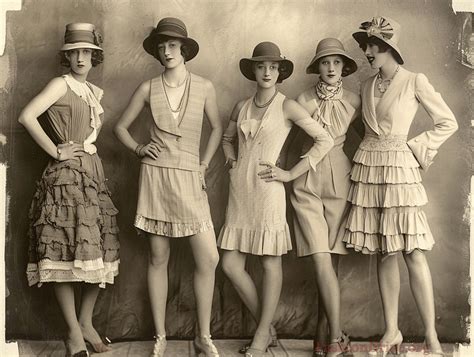
The Roaring Twenties, a decade of unparalleled cultural and social transformation, was marked by a distinct fashion sense that reflected the era's vibrant spirit. The 1920s fashion trends were a departure from the more restrictive and formal attire of the preceding decades, embracing a new era of freedom and modernity. Women's fashion, in particular, underwent a significant revolution, with the introduction of more relaxed, practical, and comfortable clothing that allowed for greater mobility and self-expression.
The early 1920s saw the rise of the flapper style, characterized by shorter hemlines, looser fits, and a more boyish silhouette. This new fashion trend was popularized by icons such as Louise Brooks and Clara Bow, who embodied the carefree and independent spirit of the modern woman. The flapper style was not just a fashion statement but a symbol of the changing social landscape, as women began to assert their independence and challenge traditional norms.
The Evolution of Women's Fashion in the 1920s
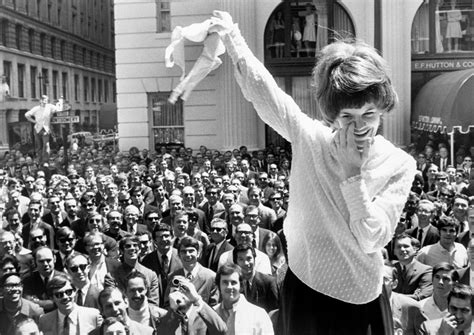
As the decade progressed, women's fashion continued to evolve, with the introduction of new styles and trends. The little black dress, popularized by Coco Chanel, became a staple in every woman's wardrobe, offering a versatile and chic alternative to more formal attire. The 1920s also saw the rise of art deco influences, with geometric patterns, metallic accents, and ornate details becoming increasingly popular in fashion and accessories.
The fashion trends of the 1920s were not limited to women's clothing alone. Men's fashion also underwent significant changes, with the introduction of more relaxed, casual attire. The three-piece suit, complete with a waistcoat, jacket, and trousers, became a staple in men's fashion, while the newsboy cap and fedora hat added a touch of sophistication to the modern man's wardrobe.
Accessories and Beauty Trends of the 1920s
Accessories played a significant role in completing the 1920s fashion look. Women's accessories, such as beaded necklaces, art deco brooches, and cloche hats, added a touch of glamour and sophistication to outfits. The 1920s also saw the rise of makeup as a fashion staple, with women embracing a more natural, subtle look that emphasized enhancing their features rather than hiding behind heavy layers of cosmetics.
| Fashion Trend | Description |
|---|---|
| Flapper Style | Characterized by shorter hemlines, looser fits, and a more boyish silhouette |
| Little Black Dress | A versatile and chic alternative to more formal attire, popularized by Coco Chanel |
| Art Deco Influences | Geometric patterns, metallic accents, and ornate details in fashion and accessories |
Key Points
- The 1920s fashion trends were marked by a departure from restrictive and formal attire, embracing a new era of freedom and modernity
- The flapper style, popularized by icons such as Louise Brooks and Clara Bow, became a symbol of the changing social landscape and the growing independence of women
- The little black dress, introduced by Coco Chanel, offered a versatile and chic alternative to more formal attire
- Art deco influences, with geometric patterns, metallic accents, and ornate details, became increasingly popular in fashion and accessories
- The 1920s fashion trends reflected the changing social and cultural landscape of the time, with the rise of the flapper style and the introduction of more relaxed, casual attire for men
The Impact of 1920s Fashion on Contemporary Style
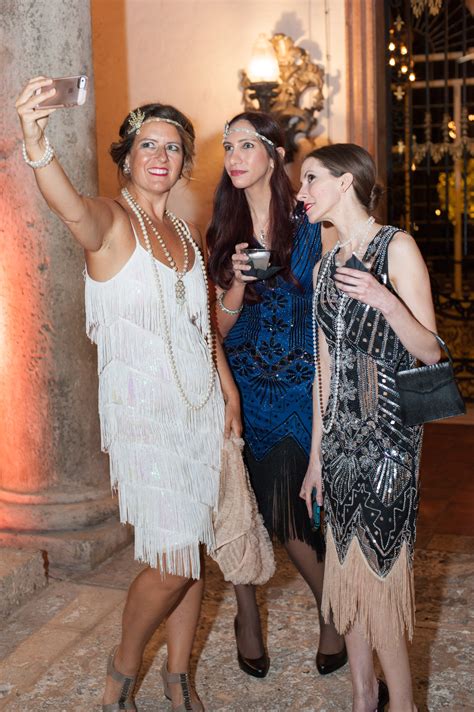
The fashion trends of the 1920s have had a lasting impact on contemporary style, with many designers continuing to draw inspiration from the era's iconic looks. The flapper style, in particular, has experienced a resurgence in popularity, with designers such as Marc Jacobs and Anna Sui incorporating elements of the style into their collections. The art deco influences of the 1920s have also continued to influence fashion, with designers such as Chanel and Dior incorporating geometric patterns and metallic accents into their designs.
The 1920s fashion trends have also had a significant impact on the way we think about fashion today. The era's emphasis on comfort, practicality, and self-expression has paved the way for a more relaxed and individualistic approach to fashion, with people feeling empowered to express themselves through their clothing choices. The 1920s have also taught us the importance of sustainability in fashion, with the era's focus on quality over quantity and the reuse and repurposing of existing materials continuing to inspire designers and consumers today.
What were some of the key fashion trends of the 1920s?
+The 1920s were marked by a number of key fashion trends, including the flapper style, the little black dress, and art deco influences. The era also saw the rise of more relaxed, casual attire for men, with the three-piece suit and newsboy cap becoming popular fashion staples.
How did the 1920s fashion trends reflect the changing social and cultural landscape of the time?
+The 1920s fashion trends reflected the changing social and cultural landscape of the time, with the rise of the flapper style symbolizing the growing independence and assertiveness of women. The introduction of more relaxed, casual attire for men also reflected the changing attitudes towards masculinity and fashion.
What impact have the 1920s fashion trends had on contemporary style?
+The 1920s fashion trends have had a lasting impact on contemporary style, with many designers continuing to draw inspiration from the era’s iconic looks. The flapper style, in particular, has experienced a resurgence in popularity, while the art deco influences of the 1920s continue to influence fashion and design.