The pursuit of higher education in the field of nursing is a significant step for registered nurses (RNs) looking to advance their careers and expand their professional horizons. One popular option for RNs is to pursue a Master of Science in Nursing (MSN) degree, which offers a wide range of benefits, including enhanced career opportunities, increased earning potential, and greater autonomy in clinical practice. In this article, we will delve into the world of RN to MSN degree programs, exploring the advantages, curriculum, and career paths available to graduates.
Advantages of RN to MSN Degree Programs
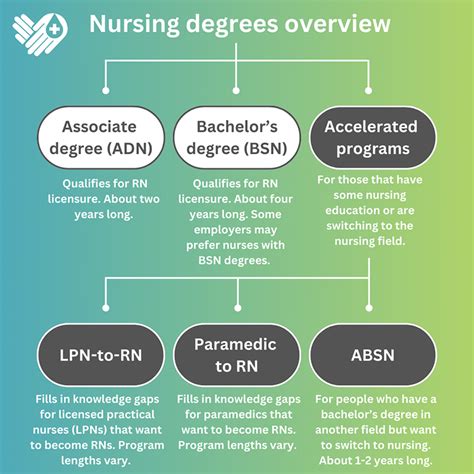
RN to MSN degree programs are designed to build on the existing knowledge and skills of registered nurses, providing a comprehensive education in advanced nursing practices, leadership, and research. Some of the key advantages of these programs include:
- Enhanced career opportunities: MSN graduates can pursue a variety of career paths, including advanced practice roles, leadership positions, and education.
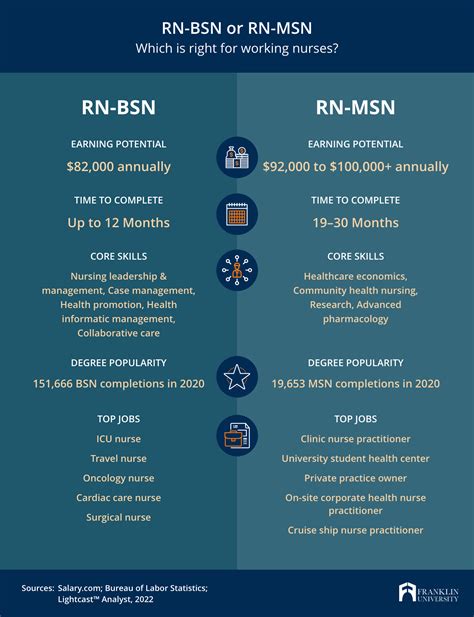
- Increased earning potential: According to the Bureau of Labor Statistics, advanced practice registered nurses (APRNs) can earn median salaries ranging from 115,000 to over 160,000 per year, depending on the specialty and location.
- Greater autonomy in clinical practice: MSN graduates are equipped with the knowledge and skills to make independent decisions and provide high-quality patient care.
Curriculum and Specializations
RN to MSN degree programs typically consist of 30-40 credit hours of coursework, which can be completed in 12-24 months. The curriculum is designed to provide students with a strong foundation in advanced nursing practices, including:
- Advanced health assessment: Students learn to conduct comprehensive health assessments and develop plans of care for patients with complex health needs.
- Pharmacology: Students study the principles of pharmacology and learn to prescribe medications and manage patient care.
- Research and evidence-based practice: Students learn to critically evaluate research and apply evidence-based practices to improve patient outcomes.
MSN programs also offer a range of specializations, including:
- Family Nurse Practitioner (FNP): Prepares students to provide primary care to individuals and families across the lifespan.
- Adult-Gerontology Primary Care Nurse Practitioner (AGPCNP): Focuses on providing primary care to adults and older adults.
- Pediatric Nurse Practitioner (PNP): Prepares students to provide primary care to children and adolescents.
| Specialization | Description |
|---|---|
| Family Nurse Practitioner (FNP) | Primary care to individuals and families across the lifespan |
| Adult-Gerontology Primary Care Nurse Practitioner (AGPCNP) | Primary care to adults and older adults |
| Pediatric Nurse Practitioner (PNP) | Primary care to children and adolescents |
Key Points
- RN to MSN degree programs offer enhanced career opportunities and increased earning potential.
- The curriculum provides a strong foundation in advanced nursing practices, including advanced health assessment, pharmacology, and research and evidence-based practice.
- MSN programs offer a range of specializations, including Family Nurse Practitioner, Adult-Gerontology Primary Care Nurse Practitioner, and Pediatric Nurse Practitioner.
- MSN graduates are equipped with the knowledge and skills to make independent decisions and provide high-quality patient care.
- RN to MSN degree programs can be completed in 12-24 months and consist of 30-40 credit hours of coursework.
Career Paths and Opportunities

MSN graduates can pursue a variety of career paths, including:
- Advanced practice registered nurse (APRN): APRNs provide primary and specialty care to patients, working in a variety of settings, including hospitals, clinics, and private practices.
- Nurse educator: MSN graduates can teach nursing students in academic settings, sharing their knowledge and expertise with the next generation of nurses.
- Nurse leader: MSN graduates can assume leadership roles in healthcare organizations, overseeing nursing staff and developing policies and procedures to improve patient care.
According to the Bureau of Labor Statistics, employment of APRNs is projected to grow 28% from 2020 to 2030, much faster than the average for all occupations. This growth is driven by an increased demand for healthcare services, particularly in rural and underserved areas.
Professional Development and Certification
MSN graduates can pursue certification in their specialty area, which demonstrates expertise and commitment to the profession. Some of the most common certifications for MSN graduates include:
- Family Nurse Practitioner (FNP-BC): Certified by the American Association of Nurse Practitioners (AANP) or the American Nurses Credentialing Center (ANCC).
- Adult-Gerontology Primary Care Nurse Practitioner (AGPCNP-BC): Certified by the AANP or the ANCC.
- Pediatric Nurse Practitioner (PNP-BC): Certified by the AANP or the ANCC.
What is the average salary for an MSN graduate?
+The average salary for an MSN graduate varies depending on the specialty and location. However, according to the Bureau of Labor Statistics, APRNs can earn median salaries ranging from $115,000 to over $160,000 per year.
How long does it take to complete an RN to MSN degree program?
+RN to MSN degree programs can be completed in 12-24 months, depending on the institution and the student's pace.
What are the admission requirements for an RN to MSN degree program?
+Admission requirements for RN to MSN degree programs vary by institution but typically include a bachelor's degree in nursing, a valid RN license, and a minimum GPA of 3.0.
In conclusion, RN to MSN degree programs offer a unique opportunity for registered nurses to advance their careers and make a meaningful impact on patient care. With a strong foundation in advanced nursing practices and a range of specializations to choose from, MSN graduates are well-equipped to succeed in a variety of roles. Whether you’re interested in pursuing a career as an APRN, nurse educator, or nurse leader, an RN to MSN degree program can help you achieve your goals and make a lasting difference in the lives of your patients.