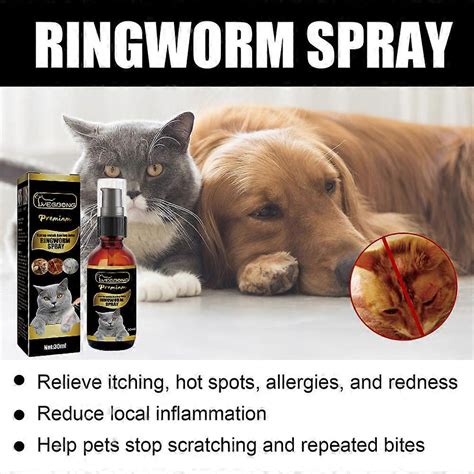
Ringworm is a common fungal infection that affects cats, causing lesions, hair loss, and skin irritation. If your feline friend is suffering from ringworm, it's essential to consult with a veterinarian to determine the best course of treatment. In this article, we'll discuss the various ringworm medications available for cats, their effectiveness, and the importance of proper treatment and prevention.
Key Points
- Ringworm is a fungal infection that requires antifungal medication for treatment
- Topical and oral medications are available, and the choice of treatment depends on the severity and location of the infection
- Griseofulvin, itraconazole, and terbinafine are common oral antifungal medications used to treat ringworm in cats
- Proper hygiene and disinfection of the environment are crucial to prevent the spread of ringworm
- Regular check-ups with a veterinarian are necessary to monitor the cat's response to treatment and prevent relapse
Understanding Ringworm Infection in Cats

Ringworm, also known as dermatophytosis, is a fungal infection caused by the Microsporum canis, Microsporum gypseum, or Trichophyton mentagrophytes species. It’s highly contagious and can be transmitted through direct contact with an infected animal or contaminated objects. Cats can develop ringworm on any part of their body, but it’s most commonly found on the face, ears, and paws.
Symptoms and Diagnosis
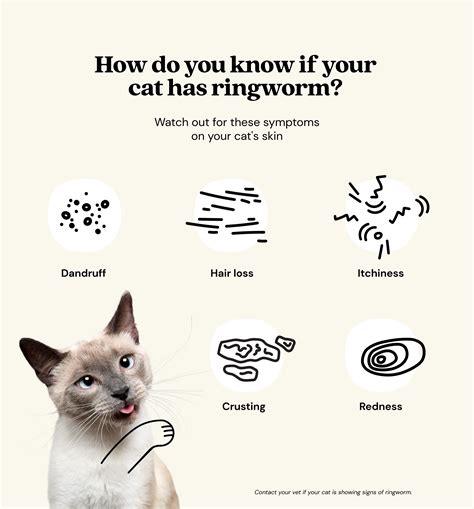
The symptoms of ringworm in cats include circular lesions, hair loss, skin irritation, and redness. In some cases, the infection can lead to secondary bacterial infections, which can cause further complications. To diagnose ringworm, a veterinarian will perform a physical examination, take a complete medical history, and conduct diagnostic tests such as a Wood’s lamp examination, fungal culture, or PCR (polymerase chain reaction) test.
Ringworm Medication Options for Cats
The treatment of ringworm in cats depends on the severity and location of the infection. Topical and oral medications are available, and the choice of treatment depends on the individual case. Here are some common ringworm medications used in cats:
| Medication | Formulation | Dosage |
|---|---|---|
| Griseofulvin | Oral tablets or capsules | 10-20 mg/kg per day, divided into 2-3 doses |
| Itraconazole | Oral capsules or liquid suspension | 5-10 mg/kg per day, divided into 2 doses |
| Terbinafine | Oral tablets | 20-30 mg/kg per day, divided into 2 doses |

Topical Treatments
Topical treatments, such as shampoos, creams, and ointments, can be used to treat localized ringworm infections. These products typically contain antifungal agents like clotrimazole, miconazole, or ketoconazole. However, topical treatments may not be effective for more severe or widespread infections, and oral medication may be necessary.
Prevention and Control Measures
Preventing the spread of ringworm is crucial to protect other animals and humans in the household. Here are some measures to take:
- Isolate the infected cat to prevent direct contact with other animals
- Wash your hands thoroughly after handling the infected cat or its bedding
- Disinfect the environment, including food and water bowls, litter boxes, and any surfaces the cat has come into contact with
- Vacuum and mop floors regularly to reduce the amount of fungal spores
- Wash the cat's bedding and toys in hot water and dry them on a hot setting
Regular Check-Ups and Monitoring
Regular check-ups with a veterinarian are necessary to monitor the cat’s response to treatment and prevent relapse. The veterinarian will assess the cat’s overall health, check for any signs of infection, and adjust the treatment plan as needed.
How long does it take for ringworm to clear up in cats?
+The duration of treatment for ringworm in cats can vary depending on the severity of the infection and the effectiveness of the treatment. In general, it can take several weeks to several months for the infection to clear up completely.
Can humans get ringworm from cats?
+Yes, humans can get ringworm from cats. The fungal spores can be transmitted through direct contact with an infected cat or contaminated objects. It's essential to practice good hygiene and take preventive measures to reduce the risk of transmission.
How can I prevent my cat from getting ringworm?
+To prevent your cat from getting ringworm, it's essential to maintain good hygiene, provide a clean and comfortable environment, and reduce the risk of exposure to infected animals or contaminated objects. Regular grooming, vaccination, and parasite control can also help reduce the risk of infection.
In conclusion, ringworm is a common fungal infection that affects cats, and prompt treatment is essential to prevent complications and reduce the risk of transmission. By understanding the symptoms, diagnosis, and treatment options, cat owners can take proactive steps to protect their pets and prevent the spread of the infection. Remember to consult with a veterinarian for personalized advice and guidance on treating ringworm in your cat.