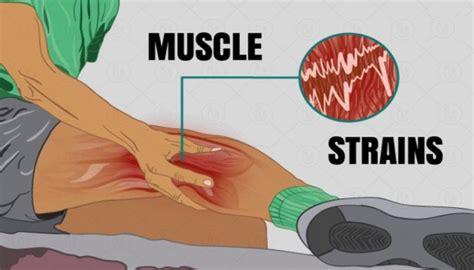
A pulled abdominal muscle, also known as an abdominal strain, is a common injury that occurs when one of the muscles in the abdominal wall is stretched or torn. This type of injury can be caused by a variety of factors, including sudden contraction of the muscle, overstretching, or direct trauma to the abdominal area. The abdominal muscles, including the rectus abdominis, external obliques, and internal obliques, play a crucial role in movements such as bending, twisting, and lifting, making them prone to injury.
The symptoms of a pulled abdominal muscle can vary depending on the severity of the injury, but common signs include pain or tenderness in the abdominal area, limited mobility, and muscle spasms. In some cases, a pulled abdominal muscle can also cause bruising or swelling, especially if the injury is severe. It is essential to seek medical attention if the pain is severe, persistent, or accompanied by other symptoms such as nausea, vomiting, or difficulty breathing.
Key Points
- A pulled abdominal muscle can be caused by sudden contraction, overstretching, or direct trauma to the abdominal area.
- Symptoms include pain or tenderness, limited mobility, and muscle spasms, with possible bruising or swelling in severe cases.
- Seek medical attention if pain is severe, persistent, or accompanied by other symptoms such as nausea or difficulty breathing.
- Treatment typically involves rest, ice, compression, and elevation (RICE), along with physical therapy and pain management.
- Prevention strategies include strengthening core muscles, improving flexibility, and using proper lifting techniques.
Causes and Risk Factors
A pulled abdominal muscle can occur due to various reasons, including sports injuries, sudden movements, or overexertion. Athletes participating in sports that involve twisting, bending, or heavy lifting, such as football, basketball, or tennis, are at a higher risk of developing an abdominal strain. Additionally, individuals with pre-existing abdominal muscle weakness or poor core stability may be more susceptible to injury.
Diagnosis and Treatment
Diagnosing a pulled abdominal muscle typically involves a physical examination, medical history, and imaging tests such as an X-ray or MRI to rule out other potential causes of abdominal pain. Treatment for a pulled abdominal muscle usually involves a combination of rest, ice, compression, and elevation (RICE) to reduce pain and inflammation, along with physical therapy to improve flexibility and strength. In some cases, pain management medications or injections may be prescribed to alleviate discomfort.
| Grade of Injury | Symptoms | Treatment |
|---|---|---|
| Mild (Grade 1) | Pain, minimal loss of function | RICE, physical therapy |
| Moderate (Grade 2) | Pain, moderate loss of function | RICE, physical therapy, pain management |
| Severe (Grade 3) | Severe pain, significant loss of function | Surgical intervention, physical therapy, pain management |
Prevention and Rehabilitation
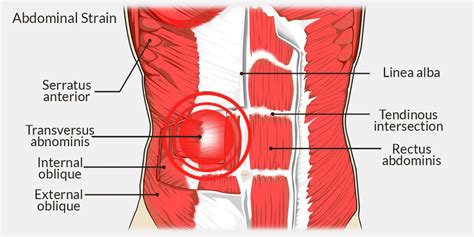
Preventing a pulled abdominal muscle involves a combination of strengthening core muscles, improving flexibility, and using proper lifting techniques. Engaging in regular exercise, such as planks, crunches, and leg raises, can help strengthen the abdominal muscles and reduce the risk of injury. Additionally, incorporating stretching exercises, such as hamstring and hip flexor stretches, can improve flexibility and reduce muscle tension.
Rehabilitation and Return to Activity
Rehabilitation after a pulled abdominal muscle injury typically involves a gradual progression of exercises to improve strength, flexibility, and function. A physical therapist can design a personalized rehabilitation program to address specific needs and goals. It’s essential to avoid rushing back to activity, as this can exacerbate the injury and prolong recovery. A gradual return to activity, with a focus on proper technique and progressive overload, can help prevent re-injury and ensure optimal recovery.
What are the common symptoms of a pulled abdominal muscle?
+Common symptoms of a pulled abdominal muscle include pain or tenderness in the abdominal area, limited mobility, and muscle spasms. In some cases, a pulled abdominal muscle can also cause bruising or swelling, especially if the injury is severe.
How can I prevent a pulled abdominal muscle?
+Preventing a pulled abdominal muscle involves a combination of strengthening core muscles, improving flexibility, and using proper lifting techniques. Engaging in regular exercise, such as planks, crunches, and leg raises, can help strengthen the abdominal muscles and reduce the risk of injury.
What is the typical recovery time for a pulled abdominal muscle?
+The typical recovery time for a pulled abdominal muscle can vary depending on the severity of the injury. Mild cases may recover within a few days, while moderate to severe cases may take several weeks or even months to recover. It's essential to seek medical attention and follow a personalized rehabilitation program to ensure optimal recovery.
In conclusion, a pulled abdominal muscle is a common injury that requires prompt medical attention and proper treatment to ensure optimal recovery. By understanding the causes, symptoms, and treatment options, individuals can take proactive steps to prevent and manage this type of injury. Remember to always prioritize proper technique, listen to your body, and seek medical attention if you experience any symptoms of a pulled abdominal muscle.