
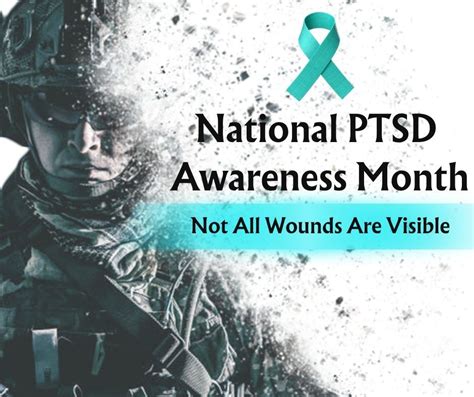
June is recognized as Post-Traumatic Stress Disorder (PTSD) Awareness Month, a time to acknowledge the struggles faced by individuals who have experienced traumatic events and to promote understanding, support, and resources for those affected by this condition. PTSD is a complex and debilitating mental health disorder that can affect anyone, regardless of their background, age, or socioeconomic status. It is essential to raise awareness about PTSD, its symptoms, and its impact on individuals, families, and communities, to reduce stigma and encourage those who need help to seek it.
Understanding PTSD: Causes, Symptoms, and Diagnosis
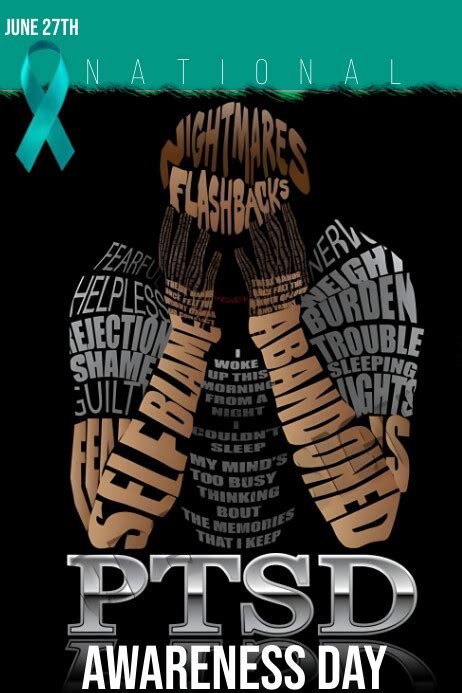
PTSD can develop after a person experiences a traumatic event, such as combat, natural disasters, physical or sexual abuse, or accidents. The condition is characterized by a range of symptoms, including flashbacks, nightmares, severe anxiety, and uncontrollable thoughts about the traumatic event. Other symptoms may include avoidance of people, places, or activities that remind them of the traumatic event, difficulty sleeping, and irritability. A diagnosis of PTSD is made by a mental health professional, such as a psychologist or psychiatrist, based on a comprehensive evaluation of the individual’s symptoms, medical history, and behavioral patterns.
Types of PTSD and Their Impact on Daily Life
There are several types of PTSD, including acute stress disorder, complex PTSD, and dissociative PTSD. Each type has distinct symptoms and can affect individuals differently. For example, acute stress disorder is a short-term condition that develops within days of a traumatic event, while complex PTSD is a long-term condition that can result from prolonged exposure to traumatic experiences. Understanding the different types of PTSD is crucial for developing effective treatment plans and providing support to those affected. The impact of PTSD on daily life can be significant, affecting relationships, work, and overall well-being. Individuals with PTSD may struggle with social interactions, experience difficulty concentrating, and have trouble managing their emotions, leading to feelings of isolation and hopelessness.
| PTSD Symptom | Description |
|---|---|
| Flashbacks | Recurrences of the traumatic event, often accompanied by intense emotions and physical sensations |
| Nightmares | Recurring dreams related to the traumatic event, often disturbing and distressing |
| Avoidance behaviors | Deliberate avoidance of people, places, or activities that remind them of the traumatic event |
| Hypervigilance | A state of heightened alertness, often accompanied by an exaggerated startle response |
Key Points
- PTSD Awareness Month aims to raise awareness and promote understanding of PTSD, its symptoms, and its impact on individuals and communities
- PTSD can develop after a person experiences a traumatic event, and its symptoms can vary in severity and duration
- There are several types of PTSD, including acute stress disorder, complex PTSD, and dissociative PTSD, each with distinct symptoms and effects on daily life
- Early intervention and treatment can significantly improve outcomes for individuals with PTSD, reducing symptoms and enhancing quality of life
- Reducing stigma and promoting support for those affected by PTSD is essential for encouraging individuals to seek help and promoting overall well-being
Treatment Options and Support for PTSD

Treatment for PTSD typically involves a combination of psychotherapy, medication, and lifestyle changes. Cognitive-behavioral therapy (CBT) and trauma-focused CBT are effective forms of psychotherapy that help individuals process their traumatic experiences, manage symptoms, and develop coping strategies. Medications, such as antidepressants and anti-anxiety medications, can also be prescribed to help alleviate symptoms. In addition to these treatments, support from family, friends, and support groups can play a vital role in the recovery process. Connecting with others who have experienced similar traumatic events can provide a sense of community and understanding, reducing feelings of isolation and promoting healing.
Self-Care and Stress Management Techniques for PTSD
Self-care and stress management techniques can also be beneficial for individuals with PTSD. These may include exercise, mindfulness, and relaxation techniques, such as deep breathing, progressive muscle relaxation, and yoga. Engaging in creative activities, such as art, music, or writing, can also provide an outlet for emotions and help individuals process their experiences. It is essential to find healthy coping mechanisms and to prioritize self-care to manage symptoms and promote overall well-being.
As we recognize PTSD Awareness Month, it is crucial to acknowledge the importance of promoting awareness, understanding, and support for those affected by this condition. By reducing stigma and encouraging individuals to seek help, we can work towards creating a more compassionate and supportive environment for those who have experienced traumatic events. Remember, PTSD is not a sign of weakness, but rather a natural response to a traumatic event, and with the right treatment and support, individuals can heal and recover.
What are the symptoms of PTSD?
+The symptoms of PTSD can vary in severity and duration, but common symptoms include flashbacks, nightmares, severe anxiety, and uncontrollable thoughts about the traumatic event. Other symptoms may include avoidance of people, places, or activities that remind them of the traumatic event, difficulty sleeping, and irritability.
How is PTSD diagnosed?
+A diagnosis of PTSD is made by a mental health professional, such as a psychologist or psychiatrist, based on a comprehensive evaluation of the individual’s symptoms, medical history, and behavioral patterns.
What are the treatment options for PTSD?
+Treatment for PTSD typically involves a combination of psychotherapy, medication, and lifestyle changes. Cognitive-behavioral therapy (CBT) and trauma-focused CBT are effective forms of psychotherapy that help individuals process their traumatic experiences, manage symptoms, and develop coping strategies.

