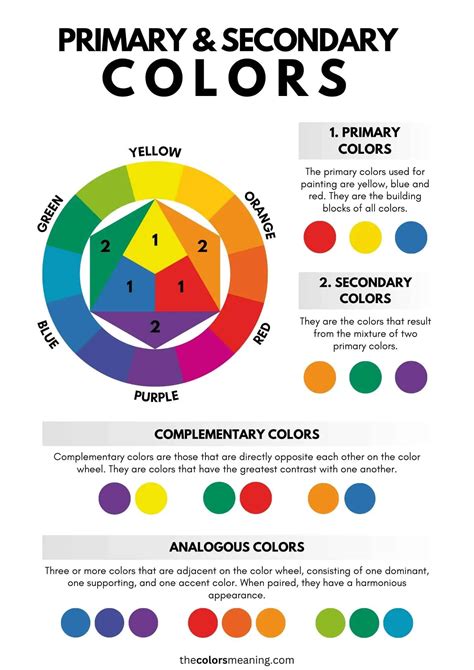
The fundamental building blocks of color theory, primary colors are the base hues that cannot be created by mixing other colors together. These three primary colors are red, blue, and yellow. Understanding the properties and applications of primary colors is essential for artists, designers, and anyone interested in the visual arts. In this article, we will delve into the world of primary colors, exploring their characteristics, uses, and the role they play in color theory.
Introduction to Primary Colors
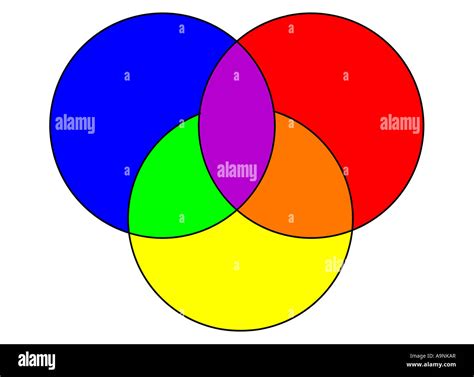
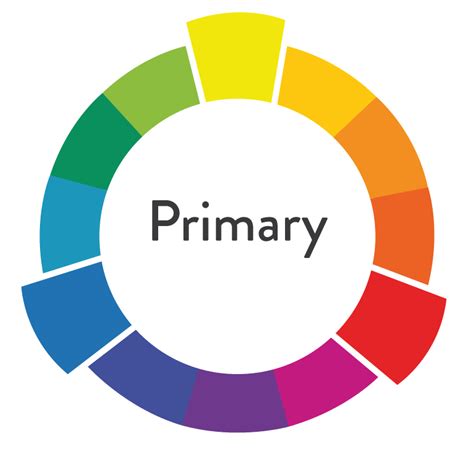
Primary colors are the foundation of the color wheel, a circular representation of colors that demonstrates how they relate to each other. Red, blue, and yellow are the primary colors because they are the only colors that cannot be derived from mixing other colors. All other colors are created by combining these primary colors in various ways. For instance, mixing red and blue creates the secondary color purple, while mixing blue and yellow produces green. The unique properties of primary colors make them essential for creating a wide range of hues and shades in art and design.
Key Points
- The three primary colors are red, blue, and yellow.
- Primary colors cannot be created by mixing other colors together.
- Understanding primary colors is essential for artists, designers, and anyone interested in the visual arts.
- Primary colors are the foundation of the color wheel.
- Mixing primary colors creates secondary colors, such as purple, green, and orange.
Characteristics of Primary Colors
Each primary color has its own unique characteristics and emotional connotations. Red is often associated with energy, passion, and warmth, while blue is typically linked with calmness, trust, and serenity. Yellow, on the other hand, is commonly connected with happiness, optimism, and sunshine. These emotional connections can influence how we perceive and use primary colors in art and design. For example, a designer might use red to draw attention to a particular element or to create a sense of urgency, while an artist might use blue to evoke a feeling of tranquility in a landscape painting.
| Primary Color | Emotional Connotation |
|---|---|
| Red | Energy, passion, warmth |
| Blue | Calmness, trust, serenity |
| Yellow | Happiness, optimism, sunshine |
Applications of Primary Colors
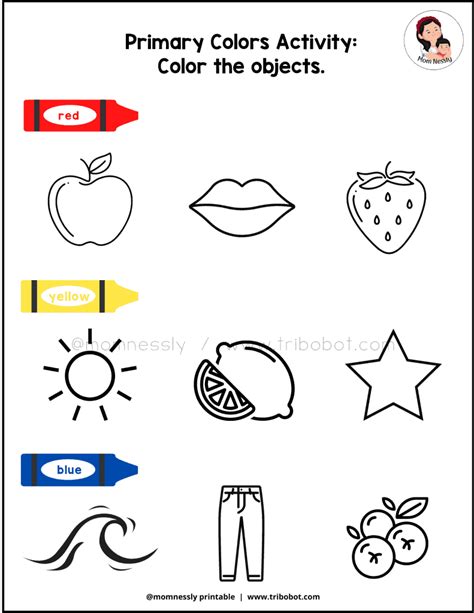
Primary colors have a wide range of applications in art, design, and everyday life. In painting, primary colors are used to create a variety of hues and shades by mixing them in different proportions. In graphic design, primary colors are often used to create bold, eye-catching visuals, such as logos, posters, and advertisements. In fashion, primary colors can be used to create statement pieces, such as bright red dresses or blue jeans. Primary colors are also used in branding and marketing to create recognizable and memorable brand identities.
Mixing Primary Colors
Mixing primary colors is a fundamental aspect of color theory. When you mix two primary colors, you create a secondary color. For example, mixing red and blue creates purple, while mixing blue and yellow creates green. The ratio at which you mix the primary colors determines the shade and tone of the resulting color. By experimenting with different ratios and combinations, artists and designers can create a wide range of colors and hues.
In conclusion, primary colors are the foundation of color theory, and understanding their characteristics, uses, and applications is essential for anyone interested in the visual arts. By working with primary colors, artists and designers can create a wide range of hues and shades, from bold and vibrant to subtle and nuanced. Whether you're a professional artist or a hobbyist, experimenting with primary colors can help you unlock new creative possibilities and push the boundaries of your art.
What are the three primary colors?
+The three primary colors are red, blue, and yellow. These colors cannot be created by mixing other colors together and are the foundation of the color wheel.
What happens when you mix two primary colors?
+When you mix two primary colors, you create a secondary color. For example, mixing red and blue creates purple, while mixing blue and yellow creates green.
What is the 60-30-10 rule in color theory?
+The 60-30-10 rule suggests that a dominant color (60%) should be balanced with a secondary color (30%) and an accent color (10%). This rule can help create visually appealing and harmonious color schemes.
Meta description suggestion: “Discover the world of primary colors, including their characteristics, uses, and applications in art, design, and everyday life. Learn how to mix primary colors and create a wide range of hues and shades.” (147 characters)