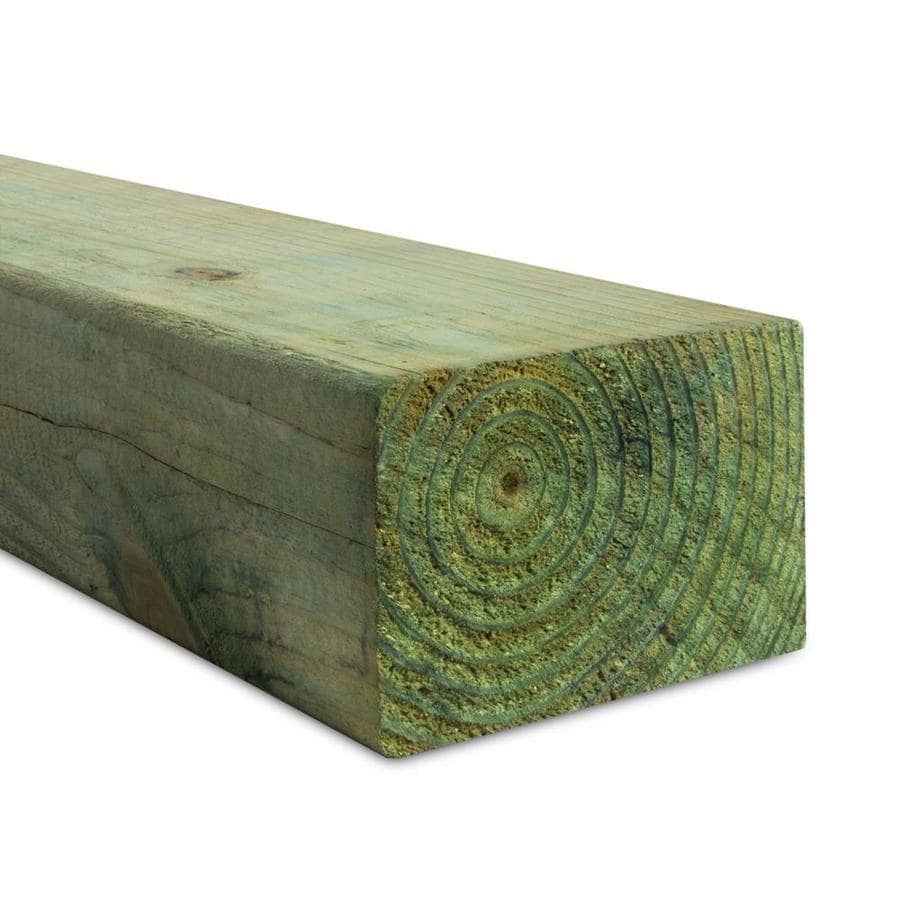
Pressure treated lumber has been a cornerstone of the construction industry for decades, providing a durable and resistant material for building decks, fences, and other outdoor structures. The process of pressure treating involves infusing wood with preservatives to protect it from rot, decay, and insect damage, thereby extending its lifespan. As a result, pressure treated lumber has become a popular choice for outdoor projects, offering a cost-effective and low-maintenance alternative to naturally rot-resistant woods like cedar or redwood.
However, the use of pressure treated lumber also raises important questions about safety, environmental impact, and long-term performance. In recent years, concerns have been raised about the potential health risks associated with the chemicals used in the pressure treating process, as well as the environmental consequences of using these chemicals. As a result, it is essential to approach the use of pressure treated lumber with a nuanced understanding of its benefits and limitations, as well as a consideration of the latest developments in the field.
Key Points
- Pressure treated lumber is infused with preservatives to protect against rot, decay, and insect damage
- The most common preservatives used are arsenic-based, borate-based, and copper-based
- Pressure treated lumber is suitable for outdoor projects, but may not be ideal for indoor use due to potential health risks
- The environmental impact of pressure treated lumber is a concern, with potential risks to soil, water, and wildlife
- Newer, more environmentally friendly alternatives to traditional pressure treated lumber are becoming available
Understanding Pressure Treated Lumber
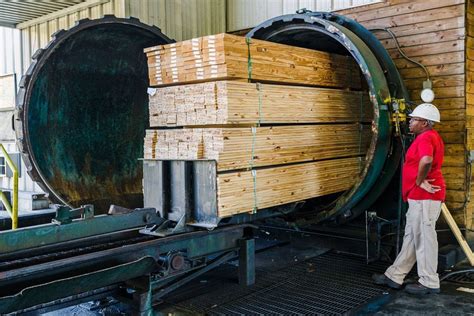
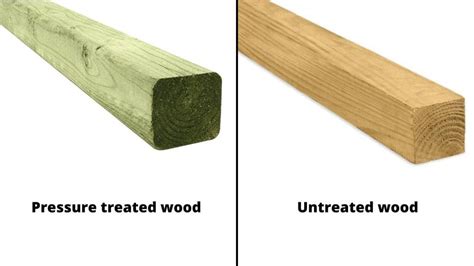
Pressure treated lumber is made by forcing preservatives into the wood using a high-pressure process. The preservatives used can vary, but the most common ones are arsenic-based, borate-based, and copper-based. Arsenic-based preservatives, such as chromated copper arsenate (CCA), have been widely used in the past, but their use has been phased out in many countries due to concerns over their potential health and environmental risks. Borate-based preservatives, on the other hand, are generally considered to be safer and more environmentally friendly, but may not be as effective against certain types of insects and decay.
Types of Pressure Treated Lumber
There are several types of pressure treated lumber available, each with its own unique characteristics and applications. These include:
- Lumber treated with CCA: This type of lumber is treated with chromated copper arsenate, a preservative that has been widely used in the past. However, its use has been phased out in many countries due to concerns over its potential health and environmental risks.
- Lumber treated with borates: This type of lumber is treated with borate-based preservatives, which are generally considered to be safer and more environmentally friendly than arsenic-based preservatives.
- Lumber treated with copper: This type of lumber is treated with copper-based preservatives, which are effective against a wide range of insects and decay.
| Type of Lumber | Preservative Used | Characteristics |
|---|---|---|
| Lumber treated with CCA | Chromated copper arsenate | Effective against insects and decay, but potential health and environmental risks |
| Lumber treated with borates | Borate-based preservatives | Safer and more environmentally friendly than CCA, but may not be as effective against certain types of insects and decay |
| Lumber treated with copper | Copper-based preservatives | Effective against a wide range of insects and decay, but may be more expensive than other types of pressure treated lumber |
Safety and Environmental Concerns
The use of pressure treated lumber raises important safety and environmental concerns. The preservatives used in the pressure treating process can be toxic to humans and wildlife, and may contaminate soil and water if not handled and disposed of properly. Additionally, the production and disposal of pressure treated lumber can have significant environmental impacts, including the release of toxic chemicals into the air and water.
However, it's also important to note that many of the safety and environmental concerns associated with pressure treated lumber can be mitigated by proper handling and disposal. For example, wearing protective clothing and gloves when handling pressure treated lumber can help to prevent skin contact and inhalation of toxic chemicals. Additionally, disposing of pressure treated lumber in accordance with local regulations and guidelines can help to prevent environmental contamination.
Alternatives to Pressure Treated Lumber
In recent years, newer, more environmentally friendly alternatives to traditional pressure treated lumber have become available. These include:
- Naturally rot-resistant woods: Woods like cedar, redwood, and cypress are naturally resistant to rot and decay, and can be used as a sustainable alternative to pressure treated lumber.
- Composite materials: Composite materials made from a combination of wood fibers and plastic can be used to create durable and low-maintenance decking and fencing materials.
- Recycled plastic lumber: Recycled plastic lumber is made from recycled plastic materials and can be used to create durable and low-maintenance outdoor structures.
What are the benefits of using pressure treated lumber?
+Pressure treated lumber is durable and resistant to rot, decay, and insect damage, making it a popular choice for outdoor projects. It is also cost-effective and low-maintenance compared to naturally rot-resistant woods.
What are the potential health risks associated with pressure treated lumber?
+The preservatives used in the pressure treating process can be toxic to humans and wildlife, and may contaminate soil and water if not handled and disposed of properly. It’s essential to handle and dispose of pressure treated lumber in accordance with local regulations and guidelines to minimize the risks.
What are some alternatives to pressure treated lumber?
+Some alternatives to pressure treated lumber include naturally rot-resistant woods, composite materials, and recycled plastic lumber. These materials can be used to create durable and low-maintenance outdoor structures while minimizing the environmental impacts associated with pressure treated lumber.