
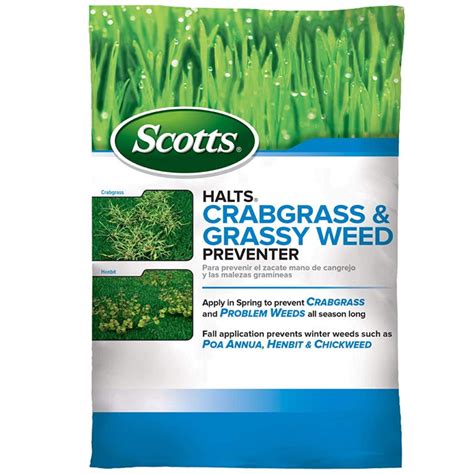
Pre-emergent weed killers are a crucial component of lawn care, providing a proactive approach to managing weeds before they have a chance to germinate and take hold. These products work by creating a barrier on the soil surface that prevents weed seeds from growing, thereby reducing the need for post-emergent herbicides and minimizing the risk of weed resistance. Understanding how pre-emergent weed killers work, their application timing, and the different types available is essential for effective weed management.
The principle behind pre-emergent weed killers is based on the concept of preventing weed seed germination. By applying these products to the soil before the weeds have a chance to emerge, homeowners and landscapers can significantly reduce the number of weeds that will grow in the treated area. This method is particularly effective against annual weeds, such as crabgrass and poa annua, which complete their life cycle within a year and rely on seed production for propagation.
Key Points
- Pre-emergent weed killers prevent weed seeds from germinating by creating a barrier on the soil surface.
- Timing of application is critical, typically before the soil reaches a temperature that triggers weed seed germination.
- Different types of pre-emergent herbicides are available, including organic and synthetic options, each with its own set of active ingredients and application rates.
- Proper soil preparation and moisture are essential for the efficacy of pre-emergent weed killers.
- Rotating between different modes of action can help prevent the development of weed resistance.
How Pre-Emergent Weed Killers Work
Pre-emergent weed killers contain active ingredients that inhibit seed germination or seedling growth. These ingredients can vary depending on the product, with some of the most common being prodiamine, dithiopyr, and pendimethalin. When applied to the soil surface, these active ingredients form a barrier that prevents weed seeds from sprouting. The barrier works by either inhibiting the root growth of the seedling, preventing it from establishing itself, or by disrupting the cell division process necessary for seed germination.
Types of Pre-Emergent Herbicides
Pre-emergent herbicides can be broadly categorized into organic and synthetic types, each catering to different preferences and needs. Organic pre-emergents, such as those containing corn gluten meal, are derived from natural sources and are considered safer for the environment. They work by preventing seed germination but may require more frequent applications to maintain effectiveness. Synthetic pre-emergents, on the other hand, offer longer-lasting control and are often more cost-effective. They contain chemical active ingredients specifically designed to target weed seeds.
| Type of Pre-Emergent | Active Ingredient | Application Rate |
|---|---|---|
| Organic (Corn Gluten Meal) | Corn Gluten Meal | 20 lbs per 1,000 sq. ft. |
| Synthetic (Prodiamine-based) | Prodiamine | 1.5 lbs per acre |
Application Timing and Preparation
The timing of pre-emergent application is critical for its success. For most annual weeds, application should occur about 2-4 weeks before the soil reaches the temperature at which weed seed germination typically occurs. In many regions, this corresponds to early spring, just before the crabgrass germinates, which is usually when the soil temperature reaches around 55°F to 60°F at a depth of 4 inches. Proper soil preparation, including light raking to loosen the top layer and ensuring adequate moisture, can enhance the product’s efficacy.
Managing Resistance and Rotating Products
Weed resistance to pre-emergent herbicides is a growing concern, necessitating the rotation of products with different modes of action. This strategy helps prevent the selection of resistant weed biotypes, ensuring the long-term effectiveness of these products. For example, rotating between a prodiamine-based product one year and a dithiopyr-based product the next can help manage resistance. Additionally, integrating cultural practices such as proper mowing, fertilization, and irrigation can further reduce weed pressure.
How often should I apply pre-emergent weed killer?
+The frequency of application depends on the product's formulation and the weed species being targeted. Most pre-emergents provide control for several weeks to a few months, after which reapplication may be necessary. Always follow the product label for specific guidance.
Can I use pre-emergent weed killer on newly seeded lawns?
+It's generally recommended to wait until the new seedlings have at least two mowings before applying pre-emergent weed killer to avoid damaging the young grass. However, some products are specifically labeled for use on newly seeded lawns, so it's crucial to select the appropriate product and follow the label instructions carefully.
Are pre-emergent weed killers safe for pets and wildlife?
+While pre-emergent weed killers are designed to target weed seeds, they can pose risks to pets and wildlife if not used according to the label instructions. It's essential to keep pets off the treated area until the product has been watered in and the area is dry. Also, avoid applying these products near water sources or areas frequented by wildlife to minimize potential risks.
In conclusion, pre-emergent weed killers are a valuable tool in lawn care, offering a proactive approach to weed management. By understanding how these products work, their application timing, and the different types available, individuals can make informed decisions about their lawn care strategies. Remember, the key to successful weed control is a combination of proper product selection, timely application, and integrated pest management practices.


