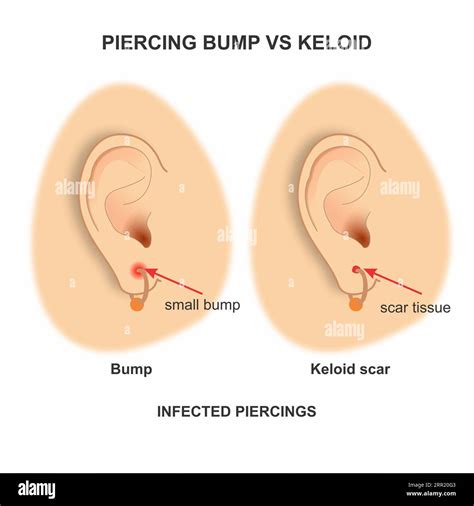
When it comes to body piercings, one of the most common concerns is the development of unsightly bumps or scars. Two types of growths that often cause confusion are piercing bumps and keloids. While they may appear similar, these two conditions have distinct differences in terms of their causes, symptoms, and treatment options. In this article, we will delve into the world of piercing bumps and keloids, exploring their characteristics, and providing guidance on how to prevent and manage them.
Key Points
- Piercing bumps and keloids are two distinct types of growths that can occur after a piercing.
- Piercing bumps are typically small, inflamed, and painful, while keloids are larger, raised, and often itchy.
- Piercing bumps are usually caused by irritation, allergic reactions, or poor aftercare, whereas keloids are caused by an overactive healing response.
- Treatment options for piercing bumps include warm compresses, saline solution, and topical creams, while keloids may require more invasive treatments such as injections, laser therapy, or surgery.
- Preventing piercing bumps and keloids involves proper aftercare, using high-quality jewelry, and avoiding excessive trauma to the piercing site.
Understanding Piercing Bumps
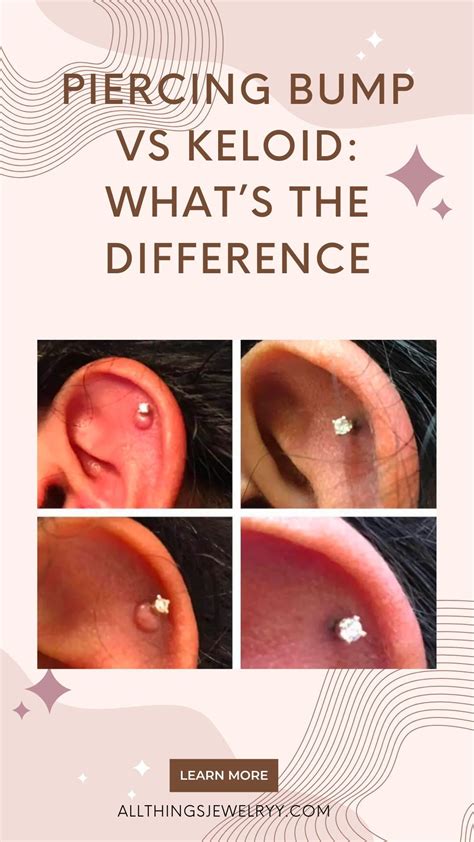
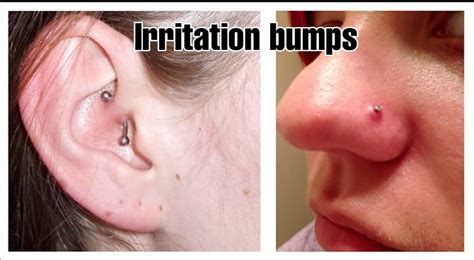
Piercing bumps, also known as granulomas or pyogenic granulomas, are small, inflamed growths that can develop after a piercing. They are usually caused by irritation, allergic reactions, or poor aftercare, and can appear as red, pink, or purple bumps on the skin. Piercing bumps can be painful and may secrete a yellowish discharge. In most cases, piercing bumps are not a cause for concern and can be treated with simple remedies such as warm compresses, saline solution, and topical creams.
Causes of Piercing Bumps
The causes of piercing bumps can be attributed to various factors, including irritation from tight or poorly fitting jewelry, allergic reactions to certain metals or materials, and poor aftercare practices such as inadequate cleaning or touching the piercing site excessively. Other factors that can contribute to the development of piercing bumps include trauma to the piercing site, infection, and genetic predisposition.
| Type of Piercing Bump | Cause | Symptoms |
|---|---|---|
| Granuloma | Irritation, allergic reaction | Small, inflamed, painful bump |
| Pyogenic Granuloma | Poor aftercare, infection | Red, pink, or purple bump with yellowish discharge |
Understanding Keloids
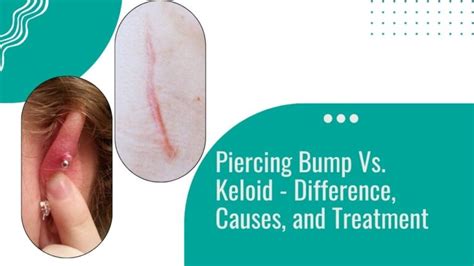
Keloids, on the other hand, are raised, thick scars that can develop after a piercing. They are caused by an overactive healing response, where the body produces excess collagen, leading to the formation of a raised, firm, and often itchy scar. Keloids can be larger than piercing bumps and may appear as a raised, red, or purple growth on the skin. Unlike piercing bumps, keloids can be more challenging to treat and may require more invasive treatments such as injections, laser therapy, or surgery.
Causes of Keloids
The causes of keloids can be attributed to various factors, including genetic predisposition, trauma to the piercing site, and infection. Other factors that can contribute to the development of keloids include poor aftercare practices, allergic reactions to certain metals or materials, and hormonal fluctuations. It’s essential to note that keloids can occur even with proper aftercare and can be a result of the body’s natural healing response.
| Type of Keloid | Cause | Symptoms |
|---|---|---|
| Hypertrophic Keloid | Genetic predisposition, trauma | Raised, firm, itchy scar |
| Atrophic Keloid | Poor aftercare, infection | Depressed, firm, and often itchy scar |
What is the difference between a piercing bump and a keloid?
+A piercing bump is a small, inflamed growth that can develop after a piercing, usually caused by irritation, allergic reactions, or poor aftercare. A keloid, on the other hand, is a raised, thick scar that can develop after a piercing, caused by an overactive healing response.
How can I prevent piercing bumps and keloids?
+To prevent piercing bumps and keloids, it's essential to practice proper aftercare, use high-quality jewelry, and avoid excessive trauma to the piercing site. Additionally, choosing a reputable piercer and following their instructions can help minimize the risk of complications.
What are the treatment options for piercing bumps and keloids?
+Treatment options for piercing bumps include warm compresses, saline solution, and topical creams. For keloids, treatment options may include injections, laser therapy, or surgery. It's essential to consult a professional piercer or a medical professional to determine the best course of treatment.
In conclusion, piercing bumps and keloids are two distinct types of growths that can occur after a piercing. While they may appear similar, they have different causes, symptoms, and treatment options. By understanding the differences between piercing bumps and keloids, individuals can take steps to prevent and manage these conditions, ensuring a safe and successful piercing experience.