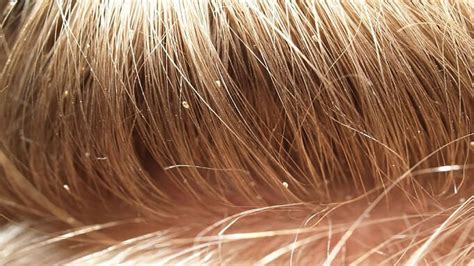
Head lice are a common problem affecting millions of people worldwide, particularly children. These tiny, wingless insects feed on human blood and can cause discomfort, itching, and embarrassment. Understanding what head lice look like is crucial for early detection and treatment. In this article, we will delve into the world of head lice, exploring their appearance, behavior, and the importance of proper identification.
Key Points
- Head lice are tiny, grayish-white insects that feed on human blood
- They are most commonly found in children, especially those in close living quarters
- Early detection and treatment are crucial to prevent the spread of head lice
- Proper identification of head lice involves looking for eggs, nymphs, and adult lice in the hair
- Treatment options include over-the-counter medications, prescription medications, and home remedies
Appearance of Head Lice
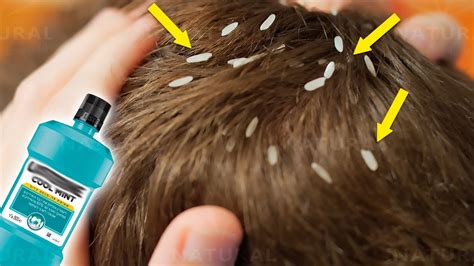
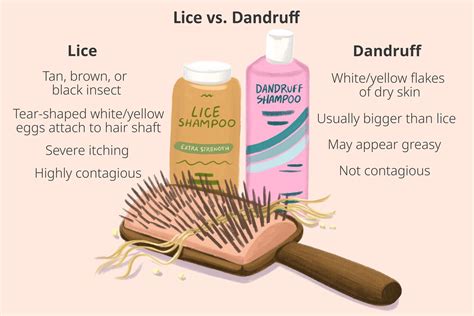
Head lice are incredibly small, measuring about 2-3 millimeters in length. They have a grayish-white color and a distinctive teardrop shape. Adult lice have six legs and are equipped with tiny claws that allow them to cling to human hair. The eggs, also known as nits, are even smaller, about 0.8 millimeters in length, and are usually yellowish or white in color. Nits are attached to the hair shaft, typically within 1⁄4 inch of the scalp, and are incredibly difficult to remove.
Types of Head Lice
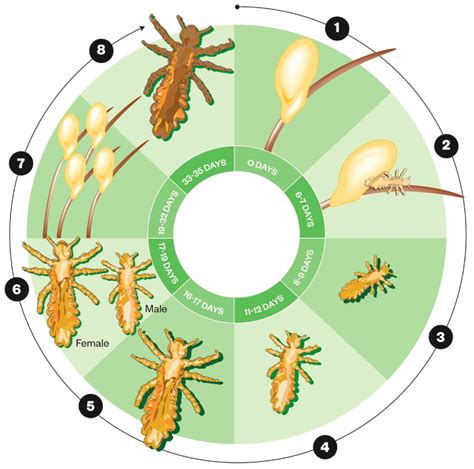
There are three stages of head lice: eggs (nits), nymphs, and adults. Nits are the eggs that female lice lay, which hatch into nymphs after about 7-10 days. Nymphs go through three stages of development, shedding their skin as they grow, before reaching adulthood. Adult lice can live for up to 30 days, feeding on human blood and laying eggs to continue the cycle.
| Lice Stage | Description |
|---|---|
| Eggs (Nits) | Yellowish or white, attached to hair shaft, 0.8 mm in length |
| Nymphs | Smaller than adults, go through three stages of development, shed skin as they grow |
| Adults | Grayish-white, 2-3 mm in length, six legs, tiny claws, feed on human blood |
Importance of Proper Identification
Proper identification of head lice is crucial for effective treatment and prevention of further infestation. Misdiagnosis or delayed diagnosis can lead to prolonged suffering, increased risk of transmission, and unnecessary use of harsh chemicals. A thorough examination of the hair and scalp, preferably with a fine-tooth comb or a specialized lice comb, is necessary to detect head lice. Look for eggs, nymphs, and adult lice, especially in areas behind the ears, on the neck, and around the scalp.
Treatment Options
Treatment options for head lice include over-the-counter medications, prescription medications, and home remedies. Over-the-counter medications, such as permethrin or pyrethrin, are commonly used to treat head lice. Prescription medications, such as ivermectin or spinosad, may be prescribed for more severe cases or for individuals who have not responded to over-the-counter treatments. Home remedies, such as mayonnaise or olive oil, have been used to treat head lice, but their effectiveness is not scientifically proven.
What are the symptoms of head lice?
+The most common symptom of head lice is itching, especially behind the ears, on the neck, and around the scalp. Other symptoms may include redness, irritation, and small red bumps on the scalp.
How are head lice transmitted?
+Head lice are transmitted through direct contact with an infected person's hair, such as during sleepovers, sports, or other close contact activities. They can also be transmitted through shared personal items, such as combs, brushes, or towels.
Can head lice be prevented?
+While it's difficult to completely prevent head lice, there are steps you can take to reduce the risk of transmission. Avoid sharing personal items, such as combs or brushes, and avoid close contact with individuals who have head lice. Regularly checking your hair and scalp for signs of head lice can also help with early detection and treatment.
In conclusion, head lice are a common problem that can affect anyone, regardless of their background or socioeconomic status. Proper identification, early detection, and effective treatment are crucial for preventing the spread of head lice and reducing the risk of transmission. By understanding what head lice look like and how they are transmitted, individuals can take steps to protect themselves and their loved ones from this pesky problem.