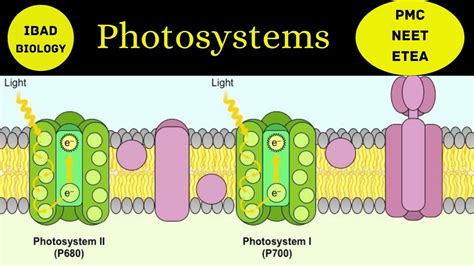
Photosynthesis, the intricate process by which plants, algae, and some bacteria convert light energy into chemical energy, is fundamental to life on Earth. At the heart of this process are two critical components: Photosystem I (PSI) and Photosystem II (PSII). These complex molecular machines are embedded in the thylakoid membranes of chloroplasts in plant cells and play pivotal roles in the light-dependent reactions of photosynthesis. Understanding the structure, function, and interaction of PSI and PSII is essential for grasping the mechanisms of photosynthesis and its significance in the biosphere.
Introduction to Photosystems
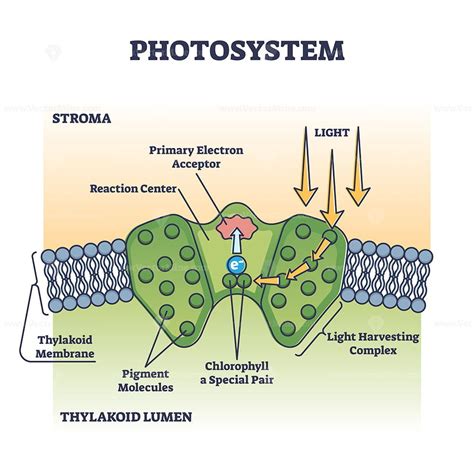
Photosystems are pigment-protein complexes that are responsible for absorbing light energy and converting it into a form that can be used by the plant to fuel the conversion of carbon dioxide and water into glucose and oxygen. There are two types of photosystems: Photosystem I and Photosystem II. Each photosystem consists of a reaction center surrounded by light-harvesting complexes (LHCs), which contain pigments such as chlorophyll a and other accessory pigments. These pigments are responsible for absorbing light energy, which is then transferred to the reaction center, initiating a series of electron transfer reactions.
Key Points
- Photosystem I (PSI) and Photosystem II (PSII) are crucial for the light-dependent reactions of photosynthesis.
- PSI is responsible for producing NADPH by reducing NADP+ with electrons ultimately derived from plastocyanin.
- PSII generates ATP and a proton gradient by oxidizing water to produce oxygen, protons, and electrons.
- The electron transport chain from PSII to PSI involves several electron carriers, including plastoquinone, the cytochrome b6f complex, and plastocyanin.
- Understanding the interaction and efficiency of PSI and PSII is vital for improving crop yields and addressing global food security challenges.
Photosystem II (PSII)
Photosystem II is the first step in the light-dependent reactions, playing a critical role in the oxidation of water to form oxygen. The core of PSII contains a special pair of chlorophyll a molecules known as P680. When light is absorbed by the pigments in the light-harvesting complexes of PSII, energy is transferred to P680, exciting an electron, which is then transferred to a series of electron acceptors. This electron transfer process leads to the formation of a proton gradient across the thylakoid membrane. Simultaneously, water is oxidized at the oxygen-evolving complex (OEC) of PSII, releasing oxygen as a byproduct. The protons and electrons from water are used to generate ATP and NADPH, crucial energy-rich molecules for the subsequent light-independent reactions (Calvin cycle) of photosynthesis.
Photosystem I (PSI)
Photosystem I is primarily responsible for the reduction of NADP+ to form NADPH, using electrons ultimately derived from plastocyanin, which has been reduced by electrons passing through the electron transport chain from PSII. The reaction center of PSI contains a special pair of chlorophyll a molecules known as P700. When light energy is absorbed, an electron is excited from P700 and transferred through a series of electron acceptors to reduce NADP+ to NADPH. This process also contributes to the generation of a proton gradient across the thylakoid membrane, which is used for ATP synthesis. The balance between the activities of PSI and PSII is crucial for efficient photosynthesis, as it determines the ATP/NADPH ratio available for the Calvin cycle.
| Photosystem | Primary Function | Electron Donor/Acceptor |
|---|---|---|
| PSII | Oxidation of water, ATP synthesis | Water (donor), Plastoquinone (acceptor) |
| PSI | Reduction of NADP+, ATP synthesis | Plastocyanin (donor), NADP+ (acceptor) |
Interactions and Efficiency
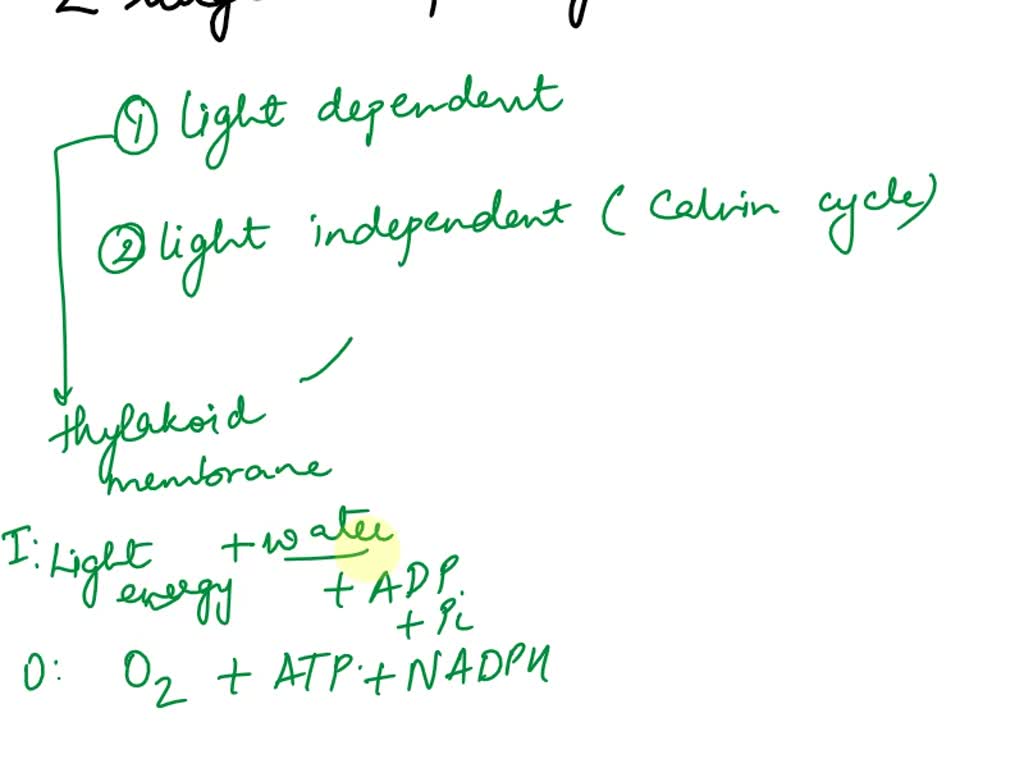
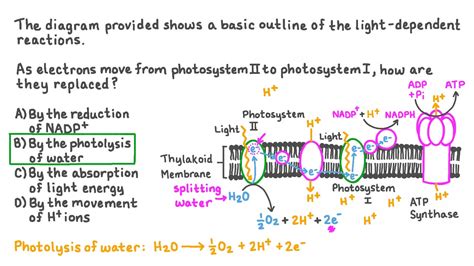
The interaction between PSI and PSII is finely tuned to optimize the energy conversion process. The electron transport chain from PSII to PSI involves several electron carriers, including plastoquinone, the cytochrome b6f complex, and plastocyanin. This chain not only facilitates the transfer of electrons but also generates a proton gradient that drives the synthesis of ATP. The balance between the activities of PSI and PSII, known as the photosystem stoichiometry, is crucial for maintaining an optimal ATP/NADPH ratio for the Calvin cycle. Factors such as light intensity, temperature, and nutrient availability can influence this balance, affecting the overall efficiency of photosynthesis.
Adaptations and Variations
Plants have evolved various adaptations to optimize the functioning of PSI and PSII under different environmental conditions. For example, plants can adjust the composition of their light-harvesting complexes and the ratio of PSI to PSII to adapt to changes in light intensity and spectral quality. Additionally, some plants have developed mechanisms to protect their photosynthetic apparatus from excessive light energy, which can cause photodamage to the photosystems. Understanding these adaptations and variations is essential for developing strategies to improve crop productivity and resilience in the face of environmental challenges.
What is the primary function of Photosystem II in photosynthesis?
+The primary function of Photosystem II is the oxidation of water to produce oxygen, protons, and electrons, contributing to the generation of ATP and NADPH.
How do Photosystem I and Photosystem II interact in the electron transport chain?
+Photosystem II generates electrons by oxidizing water, which are then passed through the electron transport chain, including plastoquinone, the cytochrome b6f complex, and plastocyanin, ultimately reducing NADP+ in Photosystem I.
What factors can influence the efficiency of PSI and PSII?
+Environmental factors such as light intensity, temperature, water availability, and CO2 concentration can significantly influence the efficiency of PSI and PSII, as well as the overall process of photosynthesis.
In conclusion, Photosystem I and Photosystem II are critical components of the photosynthetic apparatus, working in concert to convert light energy into chemical energy. Their intricate mechanisms and interactions are finely tuned to optimize energy conversion efficiency under varying environmental conditions. Further research into the functioning and adaptations of these photosystems will be essential for addressing the challenges of global food security and environmental sustainability.