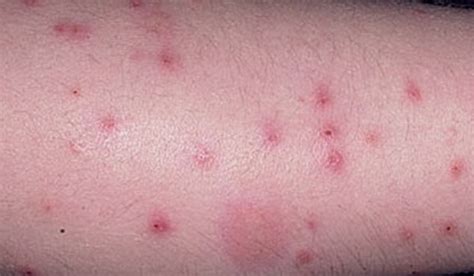
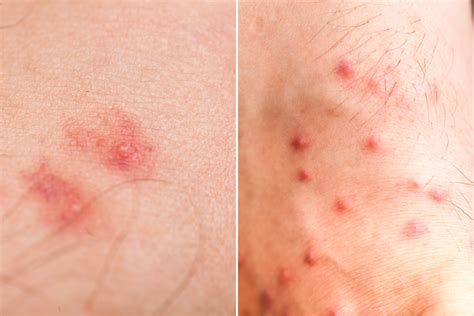
When it comes to identifying flea bites, it can be challenging to distinguish them from other skin irritations or bites from other insects. However, understanding the characteristics of flea bites and seeing photos of them can help individuals identify and treat the issue effectively. Flea bites are typically small, raised, and red, often appearing in clusters or lines. They can be extremely itchy and may cause discomfort, especially if scratched, which can lead to infection.
Key Points
- Flea bites are small, raised, and red, often appearing in clusters or lines.
- They are extremely itchy and can cause discomfort, especially if scratched.
- Flea bites can lead to infection if not treated properly.
- Identifying flea bites requires understanding their characteristics and comparing them to photos.
- Treating flea bites involves relieving itch and preventing infection, as well as addressing the flea infestation.
Characteristics of Flea Bites
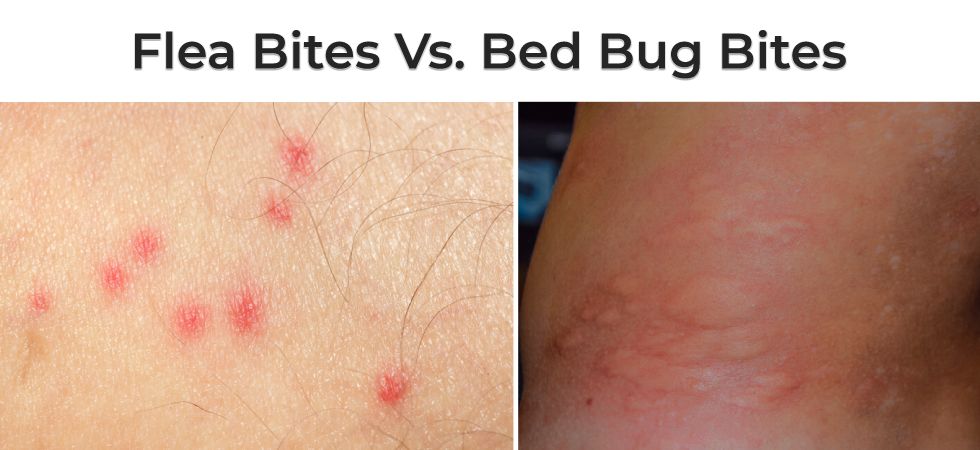
Flea bites have distinct characteristics that can help in their identification. They are usually between 1-3 mm in diameter and have a red halo around a central punctum, which is the point where the flea injected its saliva into the skin. The bites can appear anywhere on the body but are most commonly found on areas that are in close proximity to where the fleas are living, such as around the ankles, waist, armpits, and the groin area. The appearance of flea bites can vary from person to person, depending on individual sensitivity and reaction to the flea saliva.
Reaction to Flea Bites
Some people may not react at all to flea bites, while others may experience a severe reaction, which can include intense itching, swelling, and blistering. In severe cases, especially in individuals who are highly sensitive, flea bites can lead to an allergic reaction, known as papular urticaria, which presents as itchy, raised bumps. Understanding and recognizing the different reactions to flea bites is crucial for effective treatment and management.
| Reaction Type | Characteristics |
|---|---|
| Mild Reaction | Small, itchy bumps, slight redness |
| Severe Reaction | Intense itching, swelling, blistering, possible allergic reaction |
Treatment and Prevention of Flea Bites
Treating flea bites primarily involves relieving the itch and preventing infection. Over-the-counter hydrocortisone cream or calamine lotion can help reduce itching and inflammation. Oral antihistamines may also be recommended for severe itching. In cases where the bites become infected, antibiotics may be prescribed. However, the most effective way to manage flea bites is by addressing the source of the problem: the fleas themselves. This involves treating pets with appropriate flea control measures and thoroughly cleaning the environment to eliminate fleas and their eggs.
Environmental Control Measures
Controlling fleas in the environment is crucial for preventing further bites. This includes washing and drying bedding, especially pet beds, on a hot setting, vacuuming carpets and floors, especially in areas where pets frequent, and using a flea comb on pets to remove adult fleas and their eggs. In severe infestations, professional pest control services may be necessary. Understanding the lifecycle of fleas and how they infest homes and pets is key to effective control measures.
How do I know if I have flea bites?
+Flea bites are typically small, raised, and red, often appearing in clusters or lines. They are extremely itchy and can cause discomfort. If you suspect you have flea bites, look for these characteristics and consider recent exposure to fleas, such as through pets or in your environment.
How do I treat flea bites?
+Treating flea bites involves relieving the itch and preventing infection. Use over-the-counter hydrocortisone cream or calamine lotion to reduce itching and inflammation. For severe reactions, consult a healthcare professional for further guidance.
How can I prevent flea bites?
+Preventing flea bites involves controlling the flea population. Treat your pets with appropriate flea control measures, and thoroughly clean your environment to eliminate fleas and their eggs. Regularly washing and drying bedding, vacuuming, and using a flea comb on pets can help prevent flea infestations.
In conclusion, identifying and managing flea bites require understanding their characteristics, treating the bites effectively, and controlling the flea population. By following these steps and maintaining a clean environment, individuals can reduce the occurrence of flea bites and prevent the discomfort and potential health issues they can cause.