When navigating the world of literature, understanding the various components of a book is essential for both readers and writers. A book is a complex entity, comprising multiple elements that work together to convey the author's message, tell a story, or share information. In this article, we will delve into the different parts of a book, exploring their functions, significance, and how they contribute to the overall reading experience.
Key Points
- The front matter of a book includes the title page, dedication, table of contents, and foreword, which provide essential information about the book and its author.
- The body of the book is divided into chapters, sections, or parts, each with its own unique content and purpose.
- The back matter includes the appendix, glossary, bibliography, and index, which offer additional resources and support for readers.
- Understanding the different parts of a book is crucial for effective reading, writing, and communication.
- The design and organization of a book's components can significantly impact the reader's experience and comprehension.
Front Matter: Introduction to the Book
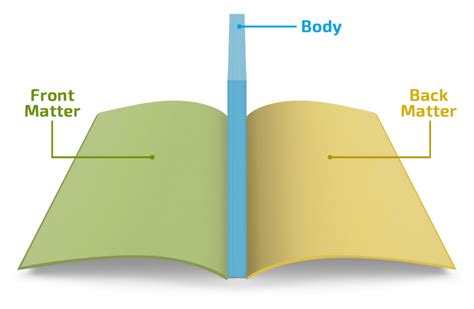
The front matter, also known as the preliminary matter, is the section at the beginning of a book that provides an introduction to the content, author, and publisher. This section typically includes:
- Title page: The title page displays the book’s title, author’s name, and publisher’s information.
- Dedication: A dedication is a message from the author to a person, group, or organization, expressing gratitude or appreciation.
- Table of contents: The table of contents outlines the book’s structure, listing the chapters, sections, or parts, along with their corresponding page numbers.
- Foreword: A foreword is an introductory essay written by someone other than the author, often a notable figure or expert in the field, providing context and endorsement.
These elements work together to establish the book’s identity, tone, and purpose, setting the stage for the reader’s journey.
Body of the Book: The Main Content
The body of the book, also known as the text or content, is the primary section where the author presents their ideas, stories, or information. This section is typically divided into:
- Chapters: Chapters are self-contained units that explore a specific theme, topic, or plot point.
- Sections: Sections are smaller divisions within chapters, often marked by subheadings or subtitles.
- Parts: Parts are larger divisions that group related chapters or sections together, providing a broader context.
The body of the book is where the author’s message, story, or ideas are developed, and the reader engages with the content.
| Book Component | Function |
|---|---|
| Front matter | Introduction, context, and author information |
| Body | Main content, ideas, and story |
| Back matter | Additional resources, support, and references |

Back Matter: Supporting Resources

The back matter, also known as the end matter, is the section at the end of a book that provides additional resources, support, and references. This section typically includes:
- Appendix: An appendix contains supplementary material that expands on the main content, such as data, examples, or further explanations.
- Glossary: A glossary defines technical terms, jargon, or unfamiliar words used in the book, helping readers understand complex concepts.
- Bibliography: A bibliography lists the sources cited or referenced in the book, providing a record of the author’s research and acknowledgments.
- Index: An index is a comprehensive list of keywords, topics, and names mentioned in the book, allowing readers to quickly locate specific information.
The back matter offers readers additional tools and references to enhance their understanding and engagement with the book’s content.
Design and Organization: The Impact on Reading Experience
The design and organization of a book’s components can significantly impact the reader’s experience and comprehension. A well-structured book with clear headings, concise language, and effective typography can:
- Enhance readability: A clear and consistent layout helps readers navigate the content and focus on the message.
- Improve understanding: Effective organization and design can facilitate comprehension, reducing confusion and increasing engagement.
- Increase accessibility: A well-designed book can be more accessible to readers with disabilities, providing equal opportunities for learning and enjoyment.
By considering the design and organization of a book’s components, authors and publishers can create a more engaging, effective, and inclusive reading experience.
What is the purpose of the front matter in a book?
+The front matter provides an introduction to the book, including the title page, dedication, table of contents, and foreword, setting the stage for the reader's journey.
How do the different parts of a book contribute to the reading experience?
+The different parts of a book work together to provide context, convey information, and engage the reader, ultimately creating a comprehensive and enjoyable reading experience.
Why is the design and organization of a book's components important?
+The design and organization of a book's components can significantly impact the reader's experience, enhancing readability, improving understanding, and increasing accessibility.
In conclusion, understanding the different parts of a book is essential for effective reading, writing, and communication. By recognizing the functions and significance of each component, authors and readers can better navigate, appreciate, and utilize the content to achieve their goals. Whether you’re an avid reader, a writer, or a publisher, grasping the intricacies of a book’s structure can enhance your overall experience and deepen your understanding of the written word.