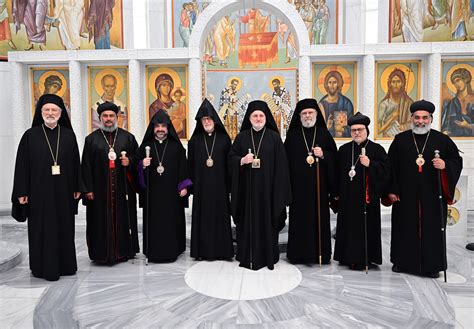
The Oriental Orthodox Church, also known as the Oriental Orthodox Communion, is a group of six ancient Christian churches that rejected the Council of Chalcedon in 451 AD. This council, which was the fourth ecumenical council in Christian history, defined the nature of Christ as being in two natures, human and divine, and established the doctrine of the hypostatic union. The Oriental Orthodox churches, however, refused to accept this definition, citing concerns that it undermined the unity of Christ's nature. Today, the Oriental Orthodox Church is a significant Christian communion with a rich history, distinct theology, and a global presence.
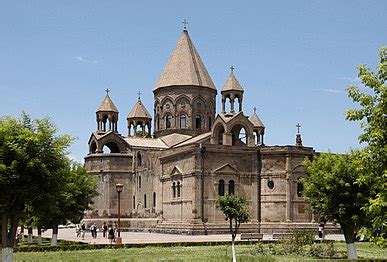
The Oriental Orthodox Church is comprised of six autocephalous (self-governing) churches: the Coptic Orthodox Church of Alexandria, the Syriac Orthodox Church of Antioch, the Armenian Apostolic Church, the Ethiopian Orthodox Tewahedo Church, the Eritrean Orthodox Tewahedo Church, and the Malankara Orthodox Syrian Church. Each of these churches has its own distinct history, liturgy, and traditions, but they are united in their rejection of the Council of Chalcedon and their adherence to the faith of the early Christian Church. The Oriental Orthodox Church has a significant presence in the Middle East, Africa, and India, with a total membership of approximately 60 million believers worldwide.
Key Points
- The Oriental Orthodox Church is a group of six ancient Christian churches that rejected the Council of Chalcedon in 451 AD.
- The church has a distinct theology that emphasizes the unity of Christ's nature.
- The Oriental Orthodox Church is comprised of six autocephalous churches, each with its own history, liturgy, and traditions.
- The church has a significant presence in the Middle East, Africa, and India, with a total membership of approximately 60 million believers worldwide.
- The Oriental Orthodox Church is committed to ecumenical dialogue and has established relationships with other Christian denominations, including the Eastern Orthodox Church and the Roman Catholic Church.
History and Development
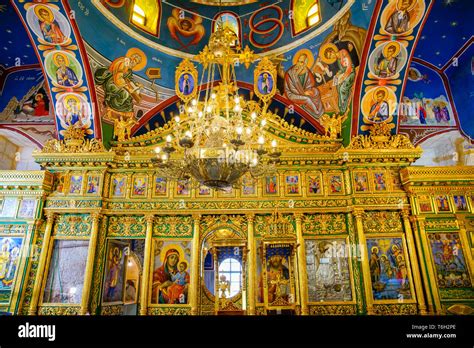
The Oriental Orthodox Church has a rich and complex history that spans over 1,500 years. The church’s roots can be traced back to the early Christian era, when the apostles and their successors established churches in the Eastern Mediterranean region. The Oriental Orthodox Church developed distinctively in the 5th century, when the Council of Chalcedon was convened to address the controversy over the nature of Christ. The Oriental Orthodox churches rejected the council’s definition of Christ’s nature, citing concerns that it undermined the unity of Christ’s nature.
Over the centuries, the Oriental Orthodox Church has faced numerous challenges and persecutions, including the Arab conquest of the Middle East, the Crusades, and the Ottoman Empire's expansion. Despite these challenges, the church has managed to maintain its distinct identity and traditions. In recent years, the Oriental Orthodox Church has been actively engaged in ecumenical dialogue, seeking to rebuild relationships with other Christian denominations and to promote greater understanding and cooperation.
Theology and Practices
The Oriental Orthodox Church has a distinct theology that emphasizes the unity of Christ’s nature. The church affirms the divinity and humanity of Christ, but rejects the idea that Christ has two separate natures. Instead, the Oriental Orthodox Church teaches that Christ has one nature, which is both divine and human. This theology is reflected in the church’s liturgy and practices, which emphasize the importance of sacraments, prayer, and devotion to the saints.
The Oriental Orthodox Church has a rich liturgical tradition, with a strong emphasis on sacraments, such as baptism, confirmation, and the Eucharist. The church also has a vibrant devotional life, with a strong emphasis on prayer, fasting, and almsgiving. The Oriental Orthodox Church has a distinctive calendar, which includes many feast days and celebrations that are unique to the church.
| Church | Membership | Presence |
|---|---|---|
| Coptic Orthodox Church of Alexandria | 10 million | Egypt, Middle East, Africa |
| Syriac Orthodox Church of Antioch | 5 million | Middle East, India |
| Armenian Apostolic Church | 9 million | Armenia, Middle East, Europe |
| Ethiopian Orthodox Tewahedo Church | 40 million | Ethiopia, Africa |
| Eritrean Orthodox Tewahedo Church | 2 million | Eritrea, Africa |
| Malankara Orthodox Syrian Church | 2 million | India |
Ecumenical Relations
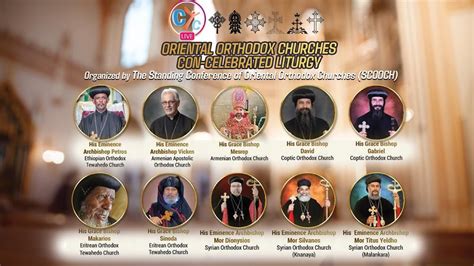
The Oriental Orthodox Church has been actively engaged in ecumenical dialogue in recent years, seeking to rebuild relationships with other Christian denominations and to promote greater understanding and cooperation. The church has established relationships with the Eastern Orthodox Church, the Roman Catholic Church, and other Christian denominations, and has participated in numerous ecumenical initiatives and dialogues.
The Oriental Orthodox Church's ecumenical efforts are guided by its commitment to the faith of the early Christian Church and its desire to promote greater understanding and cooperation among Christians. The church recognizes that its unique theology and practices are an important part of its identity, but also acknowledges the importance of building bridges with other Christian denominations and working together to promote the Gospel.
Challenges and Opportunities
The Oriental Orthodox Church faces numerous challenges in the modern world, including persecution, marginalization, and the loss of traditional ways of life. The church must also navigate the complexities of ecumenical dialogue and cooperation, balancing its commitment to its unique theology and practices with its desire to build relationships with other Christian denominations.
Despite these challenges, the Oriental Orthodox Church also has numerous opportunities for growth and development. The church's rich history and traditions, its vibrant devotional life, and its commitment to social justice and compassion make it an important and distinctive voice in the Christian world. As the church continues to evolve and adapt to the challenges of the modern world, it is likely to remain a significant and influential force in the global Christian community.
What is the main difference between the Oriental Orthodox Church and the Eastern Orthodox Church?
+The main difference between the Oriental Orthodox Church and the Eastern Orthodox Church is their understanding of the nature of Christ. The Oriental Orthodox Church rejects the Council of Chalcedon and its definition of Christ’s nature, while the Eastern Orthodox Church accepts it.
What is the significance of the Oriental Orthodox Church’s liturgy and practices?
+The Oriental Orthodox Church’s liturgy and practices are significant because they reflect the church’s unique theology and traditions. The church’s emphasis on sacraments, prayer, and devotion to the saints, for example, is an important part of its identity and practice.
What are the main challenges facing the Oriental Orthodox Church in the modern world?
+The main challenges facing the Oriental Orthodox Church in the modern world include persecution, marginalization, and the loss of traditional ways of life. The church must also navigate the complexities of ecumenical dialogue and cooperation, balancing its commitment to its unique theology and practices with its desire to build relationships with other Christian denominations.