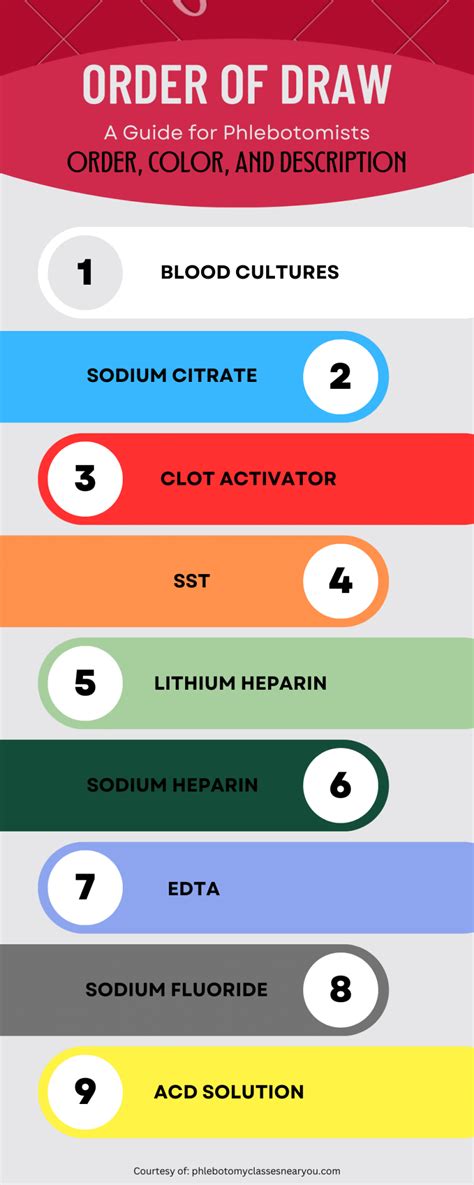
The order of draw blood collection is a crucial aspect of phlebotomy, as it helps prevent contamination and ensures accurate test results. The guidelines for the order of draw are established by various organizations, including the Clinical and Laboratory Standards Institute (CLSI) and the American Society for Clinical Pathology (ASCP). These guidelines are designed to minimize the risk of sample contamination and ensure that the blood samples are collected in a way that preserves their integrity.
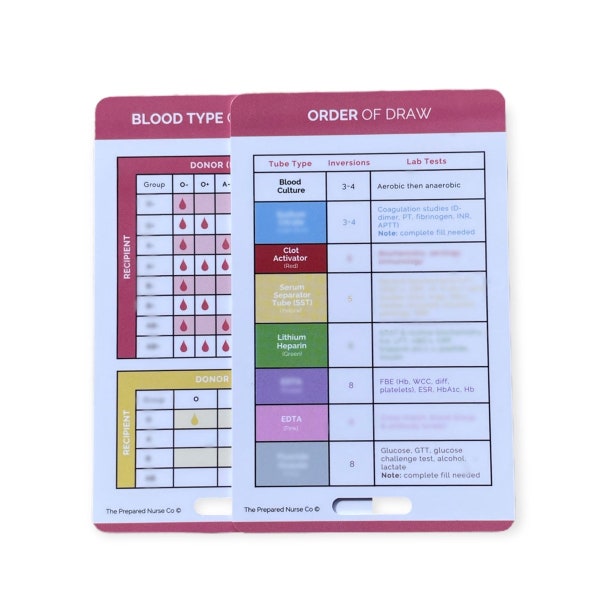
The order of draw is typically as follows: blood cultures, coagulation tubes, serum separator tubes (SST), plasma separator tubes (PST), and finally, tubes with additives such as EDTA or heparin. This order is based on the principle of collecting the most sensitive samples first, to minimize the risk of contamination from additives or other substances that may be present in the tubes.
Primary Tubes and Additives
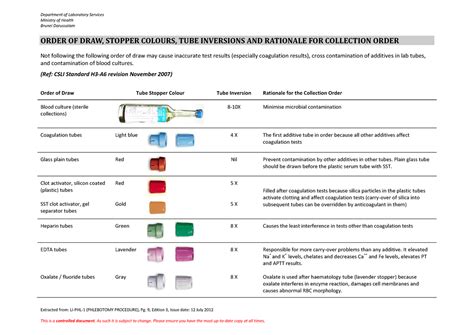
The primary tubes used for blood collection are designed to contain specific additives that help preserve the sample or facilitate the testing process. For example, SST tubes contain a gel separator that helps to separate the serum from the blood cells, while PST tubes contain a substance that helps to prevent clotting. The order of draw for these tubes is critical, as the additives can affect the results of the tests.
Coagulation Tubes
Coagulation tubes, also known as light blue top tubes, contain sodium citrate as an anticoagulant. These tubes are used for coagulation studies, such as prothrombin time (PT) and partial thromboplastin time (PTT). The sodium citrate helps to prevent clotting by binding to calcium ions, which are essential for the coagulation process. Coagulation tubes should be drawn after the blood cultures and before the SST or PST tubes.
| Tubes | Additives | Tests |
|---|---|---|
| Blood cultures | None | Bacterial or fungal cultures |
| Coagulation tubes | Sodium citrate | PT, PTT, and other coagulation studies |
| SST tubes | Gel separator | Chemistry tests, such as glucose and electrolytes |
| PST tubes | Plasma separator | Tests that require plasma, such as troponin and BNP |
| EDTA tubes | EDTA | Hematology tests, such as CBC and differential |
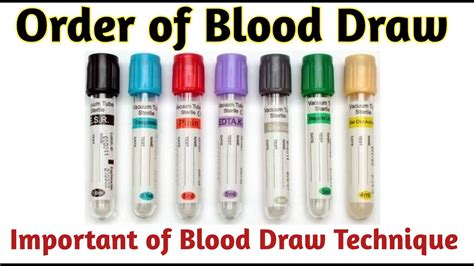
Key Points
- The order of draw for blood collection is critical to prevent contamination and ensure accurate test results.
- The typical order of draw is: blood cultures, coagulation tubes, SST tubes, PST tubes, and finally, tubes with additives such as EDTA or heparin.
- Coagulation tubes contain sodium citrate as an anticoagulant and should be drawn after the blood cultures and before the SST or PST tubes.
- The additives in the tubes can affect the results of the tests, and the order of draw should be followed to minimize the risk of contamination.
- Following the order of draw guidelines is essential to prevent incorrect diagnoses and unnecessary repeat testing.
Best Practices for Phlebotomy
In addition to following the order of draw guidelines, there are several best practices that phlebotomists should follow to ensure accurate and reliable test results. These include using the correct needle size and type, ensuring proper patient identification, and labeling the tubes correctly. Phlebotomists should also be aware of the potential risks and complications associated with blood collection, such as nerve damage or hematoma formation.
Patient Preparation
Patient preparation is an essential aspect of phlebotomy. Patients should be instructed to fast for a certain period before the blood collection, depending on the type of test being performed. They should also be asked to remove any tight clothing or jewelry that may interfere with the blood collection process. Phlebotomists should also ensure that the patient is comfortable and relaxed during the procedure, as anxiety and stress can affect the blood sample.
The order of draw blood collection guidelines is a critical aspect of phlebotomy, and following these guidelines is essential to prevent contamination and ensure accurate test results. By understanding the order of draw and following best practices for phlebotomy, healthcare professionals can ensure that blood samples are collected in a way that preserves their integrity and provides reliable test results.
What is the typical order of draw for blood collection?
+The typical order of draw is: blood cultures, coagulation tubes, SST tubes, PST tubes, and finally, tubes with additives such as EDTA or heparin.
Why is it essential to follow the order of draw guidelines?
+Following the order of draw guidelines is essential to prevent contamination and ensure accurate test results. Failure to follow these guidelines can lead to incorrect diagnoses and unnecessary repeat testing.
What are the potential risks and complications associated with blood collection?
+The potential risks and complications associated with blood collection include nerve damage, hematoma formation, and infection. Phlebotomists should be aware of these risks and take steps to minimize them.
How should patients be prepared for blood collection?
+Patient preparation is an essential aspect of phlebotomy. Patients should be instructed to fast for a certain period before the blood collection, depending on the type of test being performed. They should also be asked to remove any tight clothing or jewelry that may interfere with the blood collection process.
What are the best practices for phlebotomy?
+Best practices for phlebotomy include using the correct needle size and type, ensuring proper patient identification, and labeling the tubes correctly. Phlebotomists should also be aware of the potential risks and complications associated with blood collection and take steps to minimize them.
Meta description suggestion: “Learn about the order of draw blood collection guidelines and best practices for phlebotomy to ensure accurate and reliable test results.” (149 characters)