
Ole Kirk Christiansen, a Danish carpenter, is best known for founding the iconic toy company, The Lego Group. His journey from a small workshop in Billund, Denmark, to creating a global phenomenon is a testament to innovation and perseverance. Here are five key facts about Ole Kirk Christiansen that highlight his life, career, and the origins of the Lego brand.
Early Life and Career
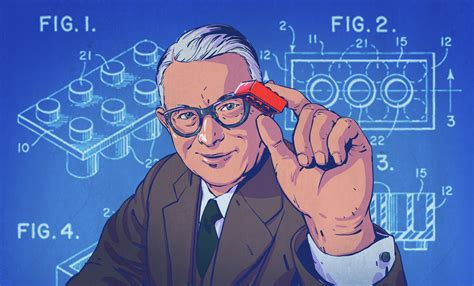
Ole Kirk Christiansen was born on April 7, 1891, in Filskov, a small village in central Denmark. Growing up, Christiansen was exposed to woodworking from a young age, learning the trade from his father. He eventually became a carpenter, a profession that would serve as the foundation for his future endeavors. In 1916, Christiansen started his own woodworking business in Billund, Denmark, where he produced a variety of items, including furniture and other household goods.
The Birth of the Lego Brick
In 1932, due to the economic constraints of the Great Depression, Christiansen began to focus on producing smaller, less expensive items such as wooden toys. Two years later, in 1934, he founded the company that would eventually become The Lego Group. The name “Lego” comes from the Danish phrase “leg godt,” meaning “play well.” This transition marked a significant shift towards what would become the hallmark of the company: creating products that fostered imaginative play in children. In 1947, Christiansen began to experiment with plastic injection molding, and in 1949, he created the first version of the iconic interlocking brick that has become synonymous with the brand.
| Year | Event |
|---|---|
| 1891 | Ole Kirk Christiansen was born |
| 1916 | Started his own woodworking business |
| 1932 | Began focusing on wooden toys |
| 1934 | Founded the company that would become The Lego Group |
| 1947 | Started experimenting with plastic injection molding |
| 1949 | Created the first version of the iconic interlocking brick |
Innovations and Legacy
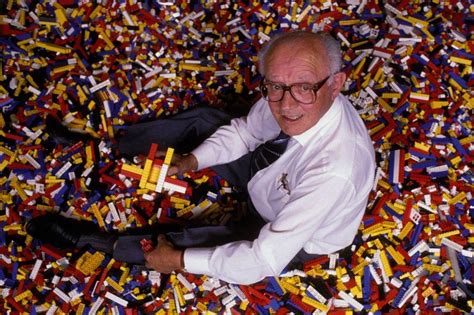
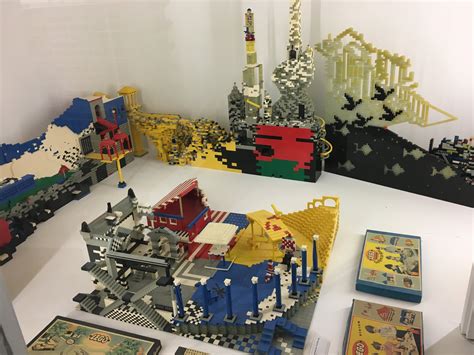
Under Christiansen’s leadership, the company continued to innovate, introducing the iconic tube-and-stud brick design in 1958, which allows bricks to interlock and be pulled apart easily. This design, patented by Christiansen’s son Godtfred Kirk, marked a significant milestone in the evolution of the Lego brick. Christiansen’s vision for the company was not only about producing toys but also about encouraging children’s creativity and imagination. He believed that play was an essential part of a child’s development, a philosophy that has remained central to the Lego brand’s mission.
Family Involvement
Christiansen’s family played a crucial role in the development and growth of the company. His son, Godtfred Kirk, became increasingly involved in the business and eventually took over as the managing director in 1950. Godtfred expanded the company’s operations and played a pivotal role in establishing the Lego Group as a global brand. The family’s involvement ensured that the company remained committed to its founding principles of quality, innovation, and fostering children’s creativity.
Key Points
- Ole Kirk Christiansen founded the company that would become The Lego Group in 1934, initially focusing on wooden toys before transitioning to plastic products.
- The name "Lego" comes from the Danish phrase "leg godt," meaning "play well," reflecting the company's mission to promote imaginative play.
- Christiansen created the first version of the iconic interlocking brick in 1949, laying the groundwork for the company's signature product.
- Continuous innovation, including the introduction of the tube-and-stud brick design in 1958, has been key to the brand's enduring success.
- Christiansen's vision for the company emphasized the importance of play in children's development, a philosophy that remains central to the Lego brand's identity.
Ole Kirk Christiansen passed away on March 11, 1958, but his legacy lives on through the company he founded. Today, the Lego Group is one of the largest toy manufacturers in the world, known for its high-quality, imaginative play materials that inspire creativity in children and adults alike. Christiansen's commitment to innovation, quality, and the belief in the importance of play has made the Lego brand a beloved part of many people's lives around the globe.
What inspired Ole Kirk Christiansen to start producing toys?
+Ole Kirk Christiansen began producing toys due to the economic constraints of the Great Depression, which led him to focus on smaller, less expensive items that could be made from wood. This transition marked the beginning of his journey towards creating what would become the iconic Lego toys.
What is the significance of the year 1949 in the history of the Lego Group?
+1949 is significant because it was the year Ole Kirk Christiansen created the first version of the iconic interlocking brick. This innovation laid the foundation for the company’s future success and established the interlocking brick as the central element of the Lego system.
How has the Lego Group remained true to Ole Kirk Christiansen’s vision over the years?
+The Lego Group has remained committed to Christiansen’s vision by continuing to innovate and produce high-quality toys that foster children’s creativity and imagination. The company’s mission to inspire and develop children through play reflects the philosophy that Christiansen instilled from the beginning.


