New York City, being one of the most populous and legally active cities in the world, has a complex and multifaceted court system. For individuals seeking to navigate this system, whether for personal, professional, or academic reasons, accessing court records and information is crucial. The process of looking up court information in NYC can be daunting due to the vast amount of data and the various courts involved, including the Supreme Court, Civil Court, Family Court, and Criminal Court. However, with the advancement in technology and the push for transparency in legal proceedings, several methods have been developed to facilitate NYC court lookup. Here are five ways to perform an NYC court lookup, each catering to different needs and levels of access.
Key Points
- Understanding the different types of courts in NYC and their jurisdictions is essential for effective court lookup.
- Utilizing online databases and web portals provided by the New York State Unified Court System (NYS UCS) is a primary method for accessing court records and information.
- Visiting or contacting the specific court where the case is filed can provide direct access to court records and clerks who can assist with inquiries.
- Leveraging legal databases and services, such as Westlaw or LexisNexis, offers comprehensive access to court documents, legal research materials, and professional assistance.
- Engaging the services of a legal professional or private investigator can be beneficial for those requiring in-depth research, analysis, or representation in legal matters.
Understanding the NYC Court System

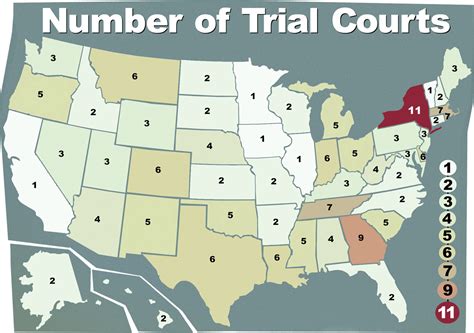
Before diving into the methods of NYC court lookup, it’s crucial to have a basic understanding of the NYC court system. The system is divided into several courts, each handling different types of cases. The Supreme Court, for instance, is the trial court of general jurisdiction, handling civil and criminal cases. The Civil Court, on the other hand, deals with civil cases involving amounts up to $25,000, as well as housing and small claims cases. The Family Court handles cases related to family and domestic issues, and the Criminal Court processes misdemeanors and felonies. Understanding which court has jurisdiction over a particular case is the first step in any court lookup process.
Method 1: Online Databases and Web Portals
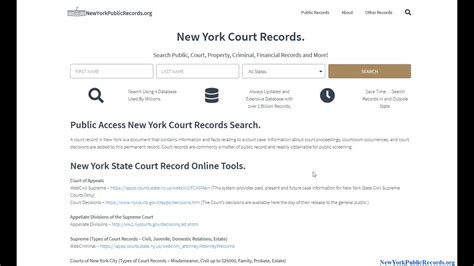
The New York State Unified Court System (NYS UCS) provides several online resources for court lookup. The WebCivil Supreme and WebCivil Local databases allow users to search for cases in the Supreme Court and Civil Court, respectively. These databases provide access to case information, including case numbers, party names, and the status of the case. Another valuable resource is the eCourts service, which enables users to track the status of cases electronically. For those looking for information on criminal cases, the NYS Courts website offers a criminal history search. These online tools are accessible, user-friendly, and provide a wealth of information for those conducting an NYC court lookup.
| Database | Description |
|---|---|
| WebCivil Supreme | Search for Supreme Court cases |
| WebCivil Local | Search for Civil Court cases |
| eCourts | Electronic case tracking |
| NYS Courts | Criminal history search and court information |
Direct Court Access and Legal Databases

Beyond online resources, individuals may need to visit or contact the court directly for more detailed or specific information. Court clerks and staff can provide valuable assistance in locating case files, understanding court procedures, and navigating the complexities of the court system. Additionally, legal databases such as Westlaw and LexisNexis offer comprehensive access to legal documents, court decisions, and research materials. These services, while often subscription-based, are indispensable tools for legal professionals and those requiring in-depth legal research capabilities.
Method 2: Visiting or Contacting the Court
Sometimes, the most direct method of obtaining court information is by visiting the court in person or contacting them via phone or email. Court clerks can provide information on case status, upcoming hearings, and how to access court records. For those unable to visit in person, many courts offer telephone or email assistance, though the availability of such services can vary. This method is particularly useful for cases that are not available online or for those who prefer a more personalized approach to their court lookup.
Method 3: Legal Databases and Services
For professionals or individuals requiring extensive legal research, services like Westlaw, LexisNexis, and Bloomberg Law provide unparalleled access to legal documents, case law, and analytical tools. These platforms enable users to search through vast databases of court decisions, statutes, and regulations, facilitating thorough legal research and analysis. While these services are typically aimed at legal professionals and may require a subscription, they are invaluable for anyone conducting serious legal research or NYC court lookup.
Method 4: Engaging Legal Professionals
In cases where the court lookup requires specialized knowledge or the stakes are high, engaging the services of a legal professional can be the most effective approach. Attorneys and legal assistants are trained to navigate the complexities of the court system and can provide expert guidance on how to access and interpret court records. Additionally, for those involved in legal proceedings, legal professionals can offer representation and advocacy, ensuring that their rights are protected throughout the process.
Method 5: Private Investigation Services
For situations where discretion and thoroughness are paramount, private investigation services can be employed. Private investigators specialize in gathering information and can use their expertise to locate and analyze court records, as well as conduct background checks and other investigative tasks. This method is particularly useful for those who require detailed information that may not be readily available through public records or for cases that involve sensitive or confidential matters.
What types of cases are handled by the NYC Supreme Court?
+The NYC Supreme Court handles civil cases involving amounts over $25,000, as well as criminal cases.
How can I access court records for a case filed in the NYC Civil Court?
+Court records for cases filed in the NYC Civil Court can be accessed through the WebCivil Local database or by visiting the Civil Court in person.
What information can I find using the eCourts service?
+The eCourts service allows users to track the status of cases electronically, providing information on upcoming hearings, case status, and more.
In conclusion, conducting an NYC court lookup can be a complex process due to the vast and intricate nature of the New York City court system. However, by understanding the different courts, their jurisdictions, and the various methods available for accessing court information, individuals can navigate this system more effectively. Whether through online databases, direct court access, legal databases, legal professionals, or private investigation services, there are multiple pathways to obtaining the necessary information. Each method has its advantages and is suited to different needs and levels of access, ensuring that individuals can find the information they require in an efficient and appropriate manner.