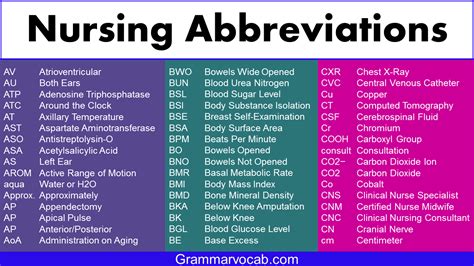
The medical abbreviation N/V/D is a common notation used in healthcare settings to describe a patient's symptoms or medical history. N/V/D stands for Nausea, Vomiting, and Diarrhea. This combination of symptoms can be caused by a variety of factors, including viral or bacterial infections, food poisoning, medications, and underlying medical conditions.
Understanding N/V/D Symptoms
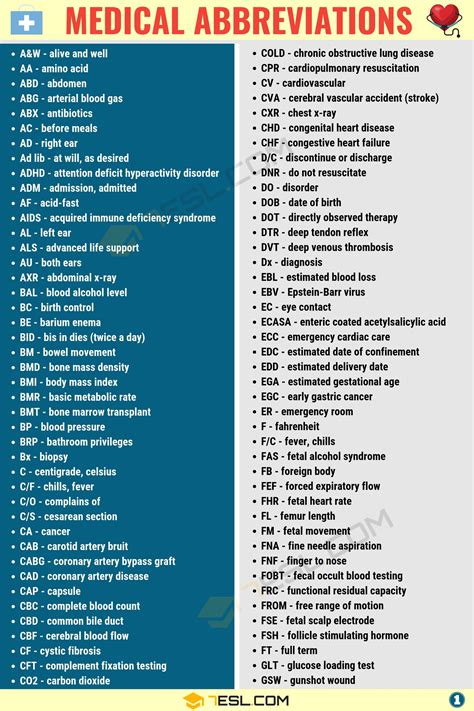
Nausea is a feeling of queasiness or discomfort in the stomach, which can often lead to vomiting. Vomiting is the act of expelling stomach contents through the mouth. Diarrhea, on the other hand, is characterized by loose, watery stools, or a frequent need to have a bowel movement. When these symptoms occur together, they can lead to dehydration, electrolyte imbalances, and other complications if not properly managed.
Causes of N/V/D
The causes of N/V/D can be diverse. Infections such as gastroenteritis, often referred to as the stomach flu, are common culprits. Food poisoning from consuming contaminated food or drinks can also lead to these symptoms. Certain medications, including antibiotics, chemotherapy drugs, and pain relievers, can cause nausea, vomiting, and diarrhea as side effects. Underlying conditions like irritable bowel syndrome (IBS), inflammatory bowel disease (IBD), and gastroparesis can also contribute to N/V/D.
| Condition | Description |
|---|---|
| Gastroenteritis | Viral or bacterial infection causing inflammation of the stomach and intestines |
| Food Poisoning | Consumption of contaminated food or drinks leading to N/V/D |
| Medication Side Effects | Certain drugs causing N/V/D as adverse effects |
| IBS (Irritable Bowel Syndrome) | A chronic condition affecting the large intestine, causing a variety of symptoms including abdominal pain, changes in bowel movements, and N/V/D |
| IBD (Inflammatory Bowel Disease) | Conditions like Crohn's disease and ulcerative colitis causing chronic inflammation of the digestive tract |
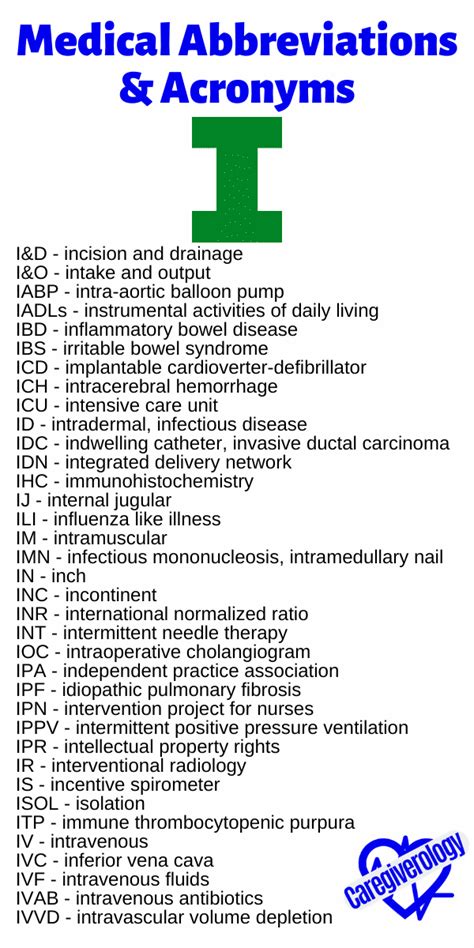
Key Points
- N/V/D stands for Nausea, Vomiting, and Diarrhea, a combination of symptoms that can be caused by various factors.
- Common causes include viral or bacterial infections, food poisoning, certain medications, and underlying medical conditions like IBS and IBD.
- Accurate diagnosis by a healthcare provider is essential for effective treatment and to prevent potential complications such as dehydration and electrolyte imbalances.
- Treatment may involve managing symptoms, addressing the underlying cause, and in some cases, hospitalization for severe cases or to manage complications.
- Preventive measures, such as practicing good hygiene, avoiding contaminated food and water, and being cautious with medication use, can help reduce the risk of developing N/V/D.
Management and Treatment of N/V/D
Managing N/V/D involves treating the symptoms as well as addressing the underlying cause. For mild cases, this might include self-care measures such as staying hydrated by drinking plenty of fluids, resting, and eating a bland diet. Over-the-counter medications can help control nausea and vomiting, while anti-diarrheal medications can help manage diarrhea. In more severe cases, or if complications arise, hospitalization may be necessary to administer intravenous fluids and electrolytes, and to monitor the patient’s condition closely.
Prevention of N/V/D
Preventing N/V/D involves a combination of good hygiene practices, safe food handling, and being mindful of the potential side effects of medications. Washing hands frequently, especially after using the bathroom and before handling food, can significantly reduce the risk of infection. Avoiding undercooked or raw foods, especially for individuals with weakened immune systems, and checking the expiration dates of perishable items can help prevent food poisoning. Being aware of the potential for certain medications to cause N/V/D and discussing these risks with a healthcare provider can also be preventive.
What are the most common causes of N/V/D?
+The most common causes include viral or bacterial infections, food poisoning, and side effects from certain medications. Underlying conditions like IBS and IBD can also contribute to these symptoms.
How can N/V/D be prevented?
+Prevention involves practicing good hygiene, avoiding contaminated food and water, being cautious with medication use, and maintaining a healthy lifestyle to reduce the risk of underlying conditions that could lead to N/V/D.
What are the potential complications of untreated N/V/D?
+Untreated N/V/D can lead to dehydration, electrolyte imbalances, and in severe cases, more serious complications like kidney damage or even death, especially in vulnerable populations such as the elderly, young children, and those with compromised immune systems.
In conclusion, N/V/D is a combination of symptoms that can result from a variety of causes, ranging from infections and food poisoning to medications and underlying medical conditions. Understanding the causes, symptoms, and appropriate management strategies is crucial for effective treatment and prevention of complications. By practicing preventive measures and seeking medical attention when necessary, individuals can reduce their risk of developing N/V/D and ensure prompt and effective treatment if symptoms arise.