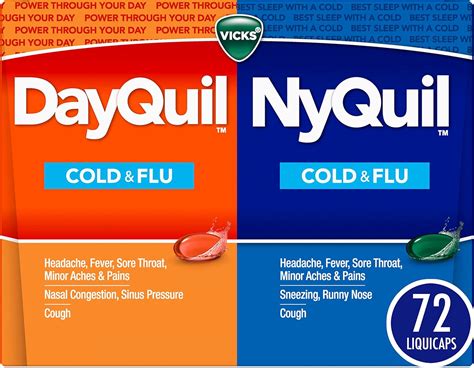
When it comes to managing symptoms of the common cold or flu, two popular over-the-counter (OTC) medications often come to mind: Mucinex and Dayquil. While both products are designed to provide relief from respiratory symptoms, they have distinct differences in terms of their active ingredients, mechanisms of action, and intended uses. In this article, we will delve into the details of Mucinex vs Dayquil, exploring their formulations, benefits, and potential drawbacks to help you make an informed decision about which one might be right for you.
Understanding Mucinex
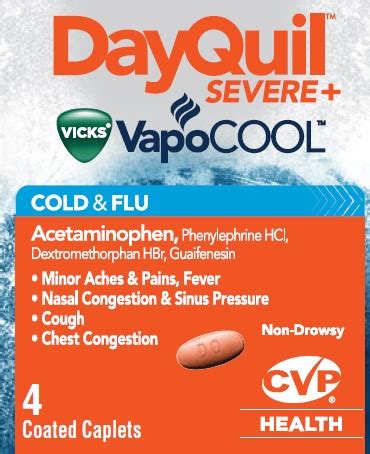
Mucinex, also known by its generic name guaifenesin, is an expectorant medication. Its primary function is to thin and loosen mucus, making it easier to cough up. This can be particularly beneficial for individuals suffering from productive coughs, where mucus is present. Mucinex is available in various formulations, including extended-release tablets and liquids, which can provide relief for up to 12 hours.
Mucinex works by increasing the amount of water in the airways and reducing the viscosity of mucus, making it less sticky and easier to expel from the body. This mechanism of action can help alleviate congestion and coughs associated with colds, flu, and other respiratory infections.
Mucinex Key Benefits and Considerations
- Expectorant Action: Effective in thinning and loosening mucus, facilitating easier expulsion. - Long-Lasting Relief: Extended-release formulations provide up to 12 hours of symptom relief. - Minimal Drowsiness: Generally, Mucinex does not cause significant drowsiness, making it suitable for daytime use.However, it’s essential to note that Mucinex may not be as effective for non-productive coughs (dry coughs) and does not address other cold and flu symptoms such as fever, headache, or body aches directly.
Understanding Dayquil
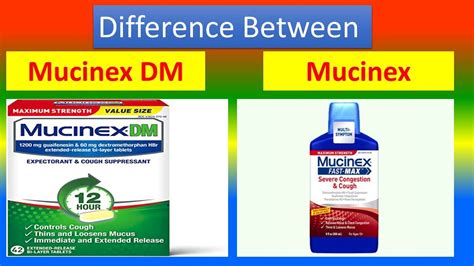
Dayquil is a brand of medication that contains a combination of active ingredients, typically including an analgesic (such as acetaminophen), a decongestant (like phenylephrine), and a cough suppressant (usually dextromethorphan). These components work together to provide relief from a broader range of cold and flu symptoms, including headache, fever, body aches, nasal congestion, and cough.
Dayquil’s multi-symptom approach makes it a popular choice for individuals experiencing a variety of cold and flu symptoms. The acetaminophen helps reduce fever and alleviate pain, phenylephrine acts as a decongestant to reduce nasal swelling and congestion, and dextromethorphan serves as a cough suppressant to help control coughing.
Dayquil Key Benefits and Considerations
- Multi-Symptom Relief: Addresses a wide range of cold and flu symptoms, including fever, headache, body aches, nasal congestion, and cough. - Convenient: Offers a single medication for multiple symptoms, which can be more convenient than taking separate medications. - Effective for Non-Productive Coughs: The cough suppressant in Dayquil can help relieve dry, non-productive coughs.However, Dayquil may cause drowsiness due to the presence of dextromethorphan, and it may not be as effective for loosening mucus as Mucinex. Additionally, the combination of ingredients in Dayquil means it may have more potential side effects and interactions, especially for individuals with certain health conditions or those taking other medications.
Key Points
- Mucinex is primarily an expectorant, effective for thinning and loosening mucus, making it easier to expel.
- Dayquil is a multi-symptom medication that addresses fever, headache, body aches, nasal congestion, and cough.
- The choice between Mucinex and Dayquil depends on the specific symptoms you are experiencing and the type of relief you need.
- It's crucial to follow the recommended dosage and consult with a healthcare professional if you have underlying health conditions or take other medications.
- Understanding the active ingredients and their mechanisms of action can help you make an informed decision about which medication is best for your needs.
When deciding between Mucinex and Dayquil, it’s essential to consider the nature of your symptoms. If your primary issue is a productive cough with significant mucus production, Mucinex might be the more effective choice. However, if you’re experiencing a broader range of cold and flu symptoms, including fever, headache, body aches, and congestion, Dayquil could offer more comprehensive relief.
Always read and follow the label instructions, and consult with a healthcare professional if you have questions or concerns about which medication is right for you, especially if you have underlying health conditions or are taking other medications.
| Medication | Primary Use | Active Ingredients |
|---|---|---|
| Mucinex | Expectorant for productive coughs | Guaifenesin |
| Dayquil | Multi-symptom relief for cold and flu | Acetaminophen, Phenylephrine, Dextromethorphan |
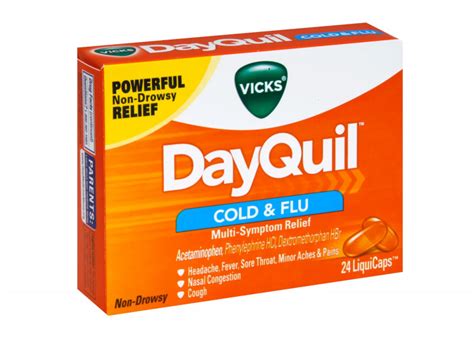
In conclusion, both Mucinex and Dayquil have their own set of benefits and considerations, and the choice between them should be based on your specific symptoms and needs. By understanding how each medication works and what it is designed to treat, you can make an informed decision that helps you manage your symptoms more effectively.
Can I take Mucinex and Dayquil together?
+It’s generally not recommended to take Mucinex and Dayquil together without consulting a healthcare professional, as this can increase the risk of side effects and interactions, especially due to the overlap in ingredients.
How long does it take for Mucinex to start working?
+Mucinex typically starts working within 30 minutes to an hour after ingestion, with its effects lasting for several hours, depending on the formulation.
Can Dayquil be taken at night?
+While Dayquil can be taken during the day, its nighttime counterpart, Nyquil, is specifically formulated for nighttime use due to its ingredients that can help with sleep. However, always follow the instructions and consider the formulation before taking any medication.