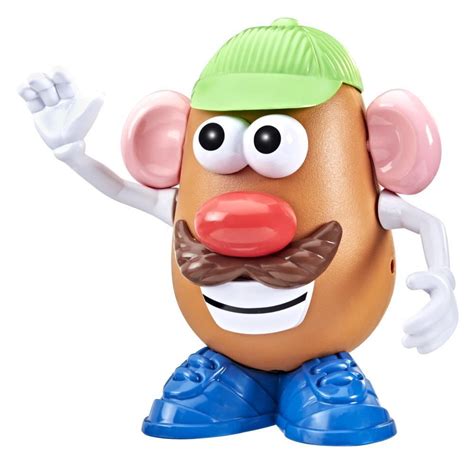
The Mr. Potato Head classic toy has been a beloved plaything for generations of children, offering a unique blend of creativity, imagination, and fun. First introduced by George Lerner in 1952, the original concept consisted of a set of plastic parts, including eyes, ears, and a mouth, that children could stick into a real potato to create a face. This innovative design allowed kids to express their creativity and bring their potato to life. Over the years, the toy has undergone significant transformations, adapting to changing times and safety standards, but its core appeal has remained unchanged.
One of the key factors contributing to the enduring popularity of Mr. Potato Head is its versatility. The toy's design encourages children to think creatively, experimenting with different combinations of parts to create a wide range of facial expressions and characters. This open-ended play pattern helps develop important skills, such as problem-solving and fine motor control, while fostering imagination and self-expression. Moreover, the toy's tactile nature, with its various textures and shapes, provides a sensory experience that is both engaging and educational.
Key Points
- The original Mr. Potato Head toy was introduced in 1952 and consisted of plastic parts that could be inserted into a real potato.
- The toy's design encourages creativity, imagination, and fine motor skills in children.
- Over the years, Mr. Potato Head has undergone significant changes, including the introduction of a plastic potato body and various themed editions.
- The toy has become a cultural icon, symbolizing nostalgia and playfulness for many people.
- Modern versions of Mr. Potato Head offer a range of play options, including interactive features and educational content.
Evolution of Mr. Potato Head
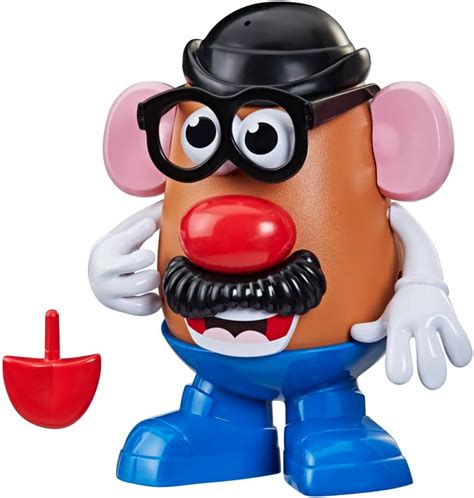
Since its inception, Mr. Potato Head has undergone numerous transformations, driven by advances in technology, changing consumer preferences, and evolving safety standards. One of the most significant changes occurred in 1964, when the toy’s manufacturer, Hasbro, introduced a plastic potato body, replacing the real potato. This modification not only improved the toy’s durability but also expanded its play possibilities, allowing children to create a wider range of characters and scenes.
Themed Editions and Special Releases
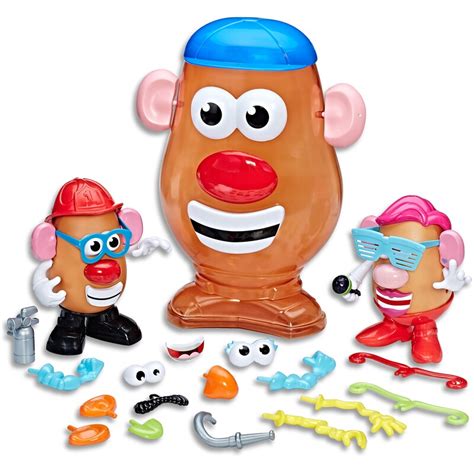
In addition to the classic version, Mr. Potato Head has been released in various themed editions, catering to different interests and demographics. These special releases have included movie tie-ins, such as Star Wars and Toy Story, as well as sports-themed and musical editions. Such collaborations have helped to maintain the toy’s relevance and appeal, introducing it to new generations of children and fans. Furthermore, limited-edition releases have become highly collectible, with some rare versions selling for significant amounts online.
| Year | Edition | Description |
|---|---|---|
| 1952 | Original | First introduction of Mr. Potato Head, with plastic parts and a real potato. |
| 1964 | Plastic Potato | Introduction of a plastic potato body, replacing the real potato. |
| 1970s | Themed Editions | Release of special editions, including sports and musical themes. |
| 1990s | Movie Tie-ins | Collaborations with popular movie franchises, such as Star Wars and Toy Story. |
| 2000s | Interactive Features | Introduction of electronic components and interactive features, enhancing play possibilities. |
Impact on Child Development
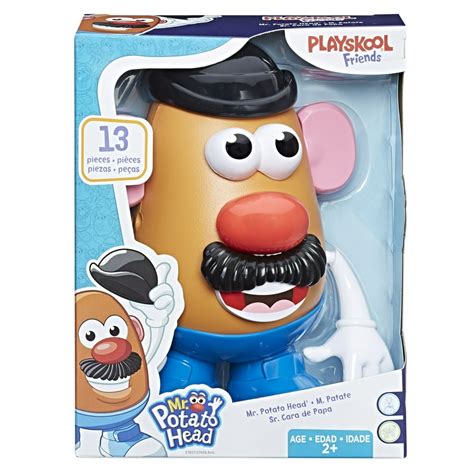
Mr. Potato Head’s significance extends beyond its entertainment value, as it plays a meaningful role in promoting child development. The toy’s design encourages children to engage in creative play, exploring different combinations of parts and characters. This type of play helps develop essential skills, such as problem-solving, critical thinking, and fine motor control. Moreover, the toy’s interactive nature fosters social skills, as children learn to share, negotiate, and cooperate with others.
In addition to its cognitive benefits, Mr. Potato Head also offers a unique opportunity for children to express their emotions and develop empathy. By creating different characters and scenarios, children can explore and understand various emotions, developing a deeper understanding of themselves and others. This emotional intelligence is crucial for building strong relationships and navigating complex social situations.
Collectibility and Cultural Significance
Mr. Potato Head has become a cultural icon, symbolizing nostalgia and playfulness for many people. The toy’s collectibility has led to a thriving community of enthusiasts, with rare and limited-edition versions highly sought after. Moreover, Mr. Potato Head has been featured in various forms of media, including films, television shows, and advertising campaigns, further cementing its status as a beloved cultural symbol.
What is the origin of Mr. Potato Head?
+Mr. Potato Head was first introduced by George Lerner in 1952, with the original concept consisting of plastic parts that could be inserted into a real potato.
What are the benefits of playing with Mr. Potato Head?
+Playing with Mr. Potato Head promotes creativity, imagination, fine motor skills, and problem-solving abilities, while also fostering social skills and emotional intelligence.
Are there different versions of Mr. Potato Head available?
+Yes, Mr. Potato Head has been released in various themed editions, including movie tie-ins, sports-themed, and musical editions, as well as limited-edition releases and interactive versions.
In conclusion, Mr. Potato Head is more than just a classic toy – it’s a cultural icon that has been a part of childhood experiences for generations. Its unique blend of creativity, imagination, and tactile experience has made it a beloved plaything, while its adaptability and collectibility have cemented its status as a timeless symbol of nostalgia and playfulness. As we look to the future, it’s clear that Mr. Potato Head will continue to evolve, inspiring new generations of children and fans alike.