The concept of sin has been a cornerstone of many religious and philosophical discussions throughout human history. In the context of Catholic theology, sins are categorized into two primary types: mortal and venial. Understanding the distinction between these two types of sin is crucial for grasping the nuances of Catholic doctrine and its implications for moral and spiritual growth. This article delves into the definitions, implications, and distinctions between mortal and venial sin, providing a comprehensive overview of these concepts within the framework of Catholic teaching.
Defining Mortal and Venial Sin

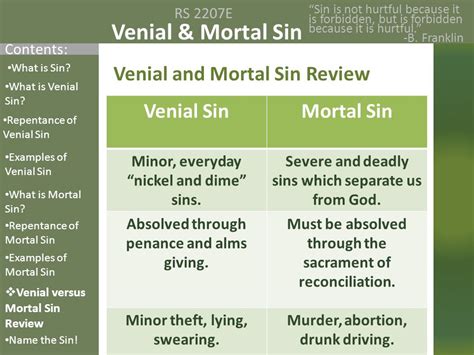
To approach the subject of mortal and venial sin, it’s essential to first define these terms. A mortal sin is considered to be a grave offense against God’s law, which destroys the life of grace in the soul until it is recovered through sacramental confession or perfect contrition. It involves a deliberate and conscious choice to act against God’s commandments, with full knowledge of the gravity of the act and with the intention of committing it. On the other hand, a venial sin is a lesser offense against God’s law, which does not destroy the life of grace but rather wounds it. Venial sins are typically committed with less deliberation or in situations where the individual is not fully aware of the sin’s gravity.
Distinctions and Implications
The distinction between mortal and venial sin is not merely semantic but has profound implications for the spiritual well-being of the individual. Mortal sins, due to their grave nature, require sacramental confession to be forgiven. The Catechism of the Catholic Church emphasizes the necessity of confession for mortal sins, stating that after having attained the age of discretion, each of the faithful is bound by an obligation faithfully to confess serious sins at least once a year (CCC 1457). In contrast, venial sins can be forgiven through various means, including prayer, reception of Holy Communion, and acts of charity, in addition to sacramental confession.
| Type of Sin | Definition | Implications |
|---|---|---|
| Mortal Sin | Grave offense against God's law, destroying the life of grace | Requires sacramental confession for forgiveness |
| Venial Sin | Lesser offense against God's law, wounding the life of grace | Can be forgiven through prayer, reception of Holy Communion, acts of charity, or sacramental confession |

Historical and Theological Context
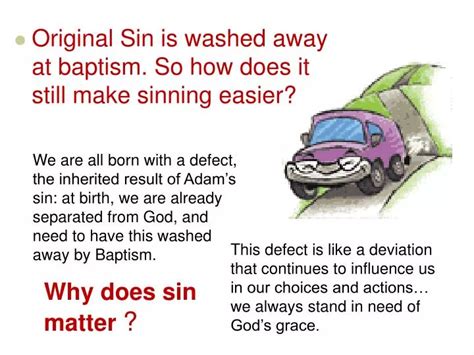
The concepts of mortal and venial sin have evolved over time, with theological and philosophical discussions contributing to their current understanding within Catholicism. The early Christian Church grappled with the nature of sin and redemption, with theologians like St. Augustine playing a pivotal role in shaping the doctrine. The distinction between mortal and venial sin became more pronounced during the Middle Ages, with the development of sacramental theology, particularly the sacrament of penance.
Practical Applications and Moral Guidance
For Catholics, the distinction between mortal and venial sin serves as a moral compass, guiding individuals in their daily lives and spiritual practices. Recognizing the gravity of mortal sin encourages individuals to approach the sacrament of confession with sincerity and to cultivate a deeper understanding of God’s law. On the other hand, acknowledging the presence of venial sin in one’s life prompts a continuous effort towards spiritual improvement and a closer relationship with God.
Key Points
- The distinction between mortal and venial sin is rooted in Catholic doctrine, emphasizing the gravity and implications of each.
- Mortal sins are grave offenses that destroy the life of grace, requiring sacramental confession for forgiveness.
- Venial sins are lesser offenses that wound the life of grace and can be forgiven through various means, including prayer and acts of charity.
- Understanding the nature of sin is crucial for spiritual growth and moral development within the Catholic faith.
- The concepts of mortal and venial sin underscore the importance of sacramental confession and the pursuit of a virtuous life.
In conclusion, the concepts of mortal and venial sin represent fundamental aspects of Catholic theology, offering a nuanced understanding of human morality and the path to spiritual redemption. Through their distinctions and implications, these concepts guide Catholics in their journey towards a deeper relationship with God, emphasizing the importance of sacramental practices, moral awareness, and continuous spiritual growth.
What is the primary distinction between mortal and venial sin in Catholic doctrine?
+The primary distinction lies in their gravity and implications for the soul. Mortal sins are considered grave offenses that destroy the life of grace, while venial sins are lesser offenses that wound it.
How are mortal sins forgiven according to Catholic teaching?
+Mortal sins are forgiven through sacramental confession. This involves confessing one's sins to a priest, expressing sorrow for them, and receiving absolution.
Can venial sins be forgiven without sacramental confession?
+Yes, venial sins can be forgiven through prayer, receiving Holy Communion, performing acts of charity, and other devotional practices, in addition to sacramental confession.
Meta Description: Explore the nuances of Catholic doctrine through the distinction between mortal and venial sin, understanding their implications for spiritual growth and moral development.