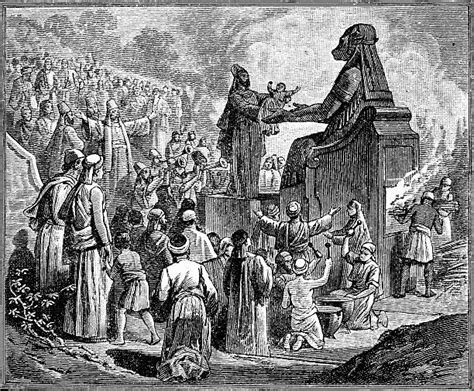
The ancient deity Molech, also known as Moloch, has been a subject of fascination and horror for centuries. As a god worshipped by the Ammonites and other neighboring cultures of the Israelites, Molech is most infamous for the alleged practice of child sacrifice. However, the historical record is complex, and the reality behind the myths and biblical condemnations is multifaceted. Here, we delve into five key facts about Molech, exploring the historical context, the nature of worship, and the impact of Molech on Western religious and cultural narratives.
Key Points
- The worship of Molech is associated with the Ammonites and other cultures in the ancient Near East, with practices that may have included child sacrifice.
- The biblical account of Molech worship is primarily found in Leviticus and Deuteronomy, condemning the practice as an abomination.
- Archaeological evidence from the Tophet in Carthage suggests that infant sacrifice may have occurred, though its connection to Molech worship is subject to interpretation.
- Molech has been interpreted symbolically in various contexts, including as a symbol of the destructive power of unchecked industrialization and capitalism in literature.
- The historical and cultural significance of Molech continues to influence contemporary discussions on ethics, morality, and the nature of religious practices.
Introduction to Molech Worship
Molech worship is deeply intertwined with the religious and cultural practices of the ancient Near East, particularly among the Ammonites and Phoenicians. The deity is often associated with fertility and the cycles of nature, which, in the context of ancient agricultural societies, could involve human sacrifice as a means to ensure fertility and prosperity. The biblical account, however, presents Molech worship as a practice of abomination, emphasizing the sacrifice of children as a form of appeasement to the deity.
Biblical Condemnation of Molech Worship
The biblical condemnation of Molech worship is clear and unequivocal, with Leviticus 18:21 and 20:2-5 specifically addressing the issue. These passages not only condemn the practice of sacrificing children to Molech but also decree death for those who engage in such acts. The biblical narrative presents Molech worship as a form of idolatry that undermines the covenant between the Israelites and their God, emphasizing the importance of adherence to monotheistic worship and the rejection of pagan practices.
| Aspect of Molech Worship | Biblical Reference |
|---|---|
| Prohibition against sacrificing children to Molech | Leviticus 18:21 |
| Punishment for those who sacrifice to Molech | Leviticus 20:2-5 |

Archaeological Evidence and Historical Interpretation

Archaeological discoveries, such as the Tophet in Carthage, have provided evidence that may support the practice of infant sacrifice in the ancient world. The Tophet, a burial ground for infants and animals, contains inscriptions that some interpret as dedications to Baal or other deities, potentially including Molech. However, the direct connection between these findings and Molech worship is a matter of ongoing scholarly debate, with some arguing that the evidence does not conclusively prove the practice of child sacrifice as described in biblical accounts.
Cultural and Symbolic Significance of Molech
Beyond the historical and religious context, Molech has been used symbolically in various literary and cultural works. For example, in Allen Ginsberg’s poem “Howl,” Moloch is invoked as a symbol of the destructive power of modern society, devouring its youth and creative energies. This symbolic use of Molech reflects the deity’s enduring impact on Western cultural imagination, representing the darker aspects of human nature and societal tendencies towards destructiveness and exploitation.
What was the primary reason for the biblical condemnation of Molech worship?
+The primary reason for the biblical condemnation of Molech worship was the alleged practice of child sacrifice, which was seen as an abomination and a violation of the covenant between the Israelites and their God.
How has Molech been symbolically interpreted in cultural and literary works?
+Molech has been symbolically interpreted as a representation of the destructive power of societal forces, such as unchecked industrialization and capitalism, devouring youth and creative potential.
What is the significance of the Tophet in Carthage regarding Molech worship?
+The Tophet in Carthage contains evidence of infant burials and inscriptions that may be associated with Molech or similar deities, though the interpretation of these findings is subject to scholarly debate.
In conclusion, the historical and cultural narrative surrounding Molech is complex and multifaceted, reflecting both the darker aspects of human religious practice and the symbolic representation of societal destructiveness. Through a nuanced understanding of the biblical, archaeological, and cultural evidence, we can gain a deeper insight into the significance of Molech and its enduring impact on Western religious and cultural discourse.