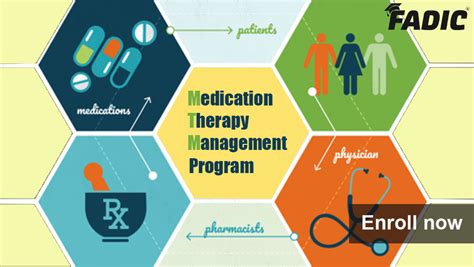
Medication therapy management (MTM) is a comprehensive, patient-centered approach to managing medications, designed to optimize therapeutic outcomes, improve patient safety, and reduce healthcare costs. MTM programs typically involve a team of healthcare professionals, including pharmacists, physicians, and other specialists, who work together to review and manage a patient's medication regimen. This collaborative approach enables healthcare providers to identify potential medication-related problems, such as adverse reactions, interactions, and non-adherence, and develop strategies to address these issues.
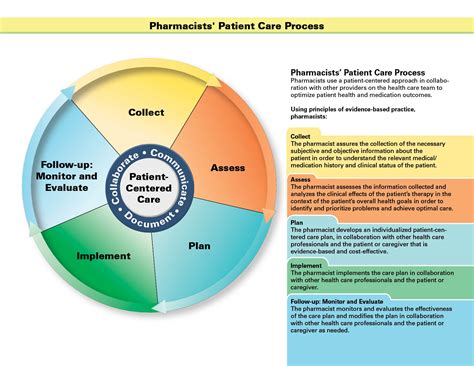
The core components of MTM programs include medication therapy review, medication action plan development, and follow-up monitoring. During a medication therapy review, a healthcare provider conducts a thorough analysis of a patient's medication regimen, including the patient's medical history, current medications, and lifestyle factors. This review helps to identify potential medication-related problems and opportunities for optimization. Based on the review, a medication action plan is developed, which outlines specific goals, interventions, and monitoring strategies to ensure the patient's medications are used safely and effectively.
Key Points
- MTM programs are designed to optimize therapeutic outcomes, improve patient safety, and reduce healthcare costs
- Comprehensive medication reviews are a critical component of MTM programs, enabling healthcare providers to identify potential medication-related problems
- Medication action plans are developed to outline specific goals, interventions, and monitoring strategies for each patient
- MTM programs involve a team of healthcare professionals, including pharmacists, physicians, and other specialists, who work together to manage a patient's medication regimen
- Regular follow-up monitoring is essential to ensure the patient's medications are used safely and effectively
Benefits of Medication Therapy Management
The benefits of MTM programs are numerous and well-documented. Studies have shown that MTM programs can improve patient outcomes, reduce hospitalizations, and decrease healthcare costs. By optimizing medication use, MTM programs can help to prevent adverse reactions, reduce the risk of medication interactions, and improve patient adherence to medication regimens. Additionally, MTM programs can help to identify and address potential medication-related problems, such as overuse, underuse, or misuse of medications.
A recent study published in the Journal of the American Pharmacists Association found that MTM programs can result in significant cost savings, with an average reduction in healthcare costs of $1,046 per patient per year. Another study published in the Journal of Managed Care Pharmacy found that MTM programs can improve patient outcomes, with a significant reduction in hospitalizations and emergency department visits.
Components of Medication Therapy Management
MTM programs typically involve several key components, including medication therapy review, medication action plan development, and follow-up monitoring. Medication therapy review involves a comprehensive analysis of a patient’s medication regimen, including the patient’s medical history, current medications, and lifestyle factors. This review helps to identify potential medication-related problems and opportunities for optimization.
Medication action plan development involves creating a personalized plan that outlines specific goals, interventions, and monitoring strategies for each patient. This plan is developed in collaboration with the patient and their healthcare providers, and is designed to ensure the patient's medications are used safely and effectively.
| Component | Description |
|---|---|
| Medication Therapy Review | Comprehensive analysis of a patient's medication regimen |
| Medication Action Plan Development | Personalized plan outlining specific goals, interventions, and monitoring strategies |
| Follow-up Monitoring | Regular monitoring to ensure the patient's medications are used safely and effectively |
Implementing Medication Therapy Management Programs
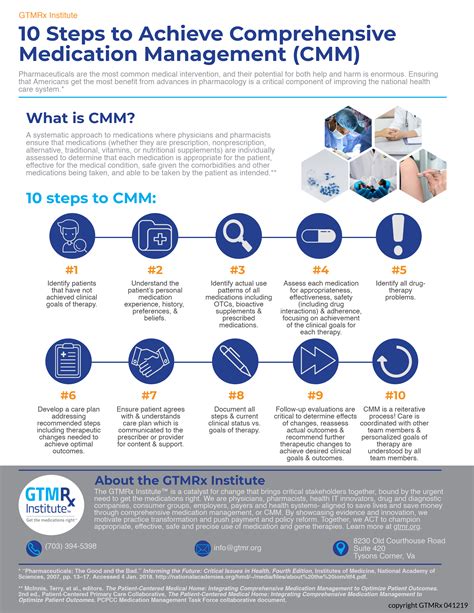
Implementing MTM programs requires a systematic approach that involves several key steps, including program development, staff training, and patient recruitment. Program development involves defining the scope and goals of the MTM program, as well as establishing the necessary infrastructure and resources. Staff training is essential to ensure that healthcare providers have the necessary skills and knowledge to deliver high-quality MTM services.
Patient recruitment involves identifying patients who are eligible for MTM services and ensuring that they are aware of the benefits and availability of these services. Effective communication and collaboration between healthcare providers, patients, and other stakeholders are critical to the success of MTM programs.
Challenges and Opportunities
Despite the benefits of MTM programs, there are several challenges and opportunities that must be addressed. One of the main challenges is ensuring that patients have access to MTM services, particularly in rural or underserved areas. Another challenge is ensuring that healthcare providers have the necessary training and resources to deliver high-quality MTM services.
Opportunities for MTM programs include the use of technology, such as electronic health records and telehealth, to improve access and delivery of MTM services. Additionally, there is an opportunity to integrate MTM programs with other healthcare services, such as disease management and case management, to provide comprehensive and coordinated care.
What is medication therapy management?
+Medication therapy management (MTM) is a comprehensive, patient-centered approach to managing medications, designed to optimize therapeutic outcomes, improve patient safety, and reduce healthcare costs.
What are the benefits of MTM programs?
+The benefits of MTM programs include improved patient outcomes, reduced hospitalizations, and decreased healthcare costs. MTM programs can also help to prevent adverse reactions, reduce the risk of medication interactions, and improve patient adherence to medication regimens.
How are MTM programs implemented?
+Implementing MTM programs requires a systematic approach that involves several key steps, including program development, staff training, and patient recruitment. Effective communication and collaboration between healthcare providers, patients, and other stakeholders are critical to the success of MTM programs.
Meta Description: Learn about medication therapy management (MTM) programs, including their benefits, components, and implementation. Discover how MTM programs can improve patient outcomes, reduce healthcare costs, and enhance patient safety.