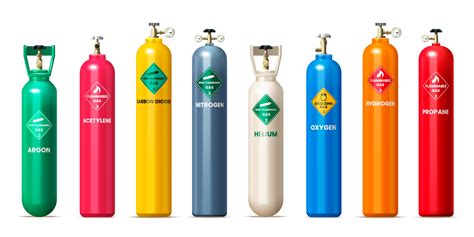
Medical gases are a crucial component in the healthcare industry, playing a vital role in the diagnosis, treatment, and management of various medical conditions. The term "medical gas" refers to a range of gases used in medical settings, including oxygen, nitrous oxide, carbon dioxide, and medical air, among others. These gases are used for a variety of purposes, including anesthesia, respiratory therapy, and laboratory testing. In this article, we will delve into the world of medical gases, exploring their applications, safety considerations, and the importance of proper handling and storage.
Key Points
- Medical gases are essential for various medical applications, including anesthesia and respiratory therapy
- Proper handling and storage of medical gases are critical to ensure safety and prevent accidents
- Medical gas systems must be designed and installed in accordance with relevant standards and regulations
- Regular maintenance and testing of medical gas systems are necessary to ensure optimal performance and safety
- Medical gas cylinders must be properly labeled and stored to prevent mix-ups and accidents
Applications of Medical Gases
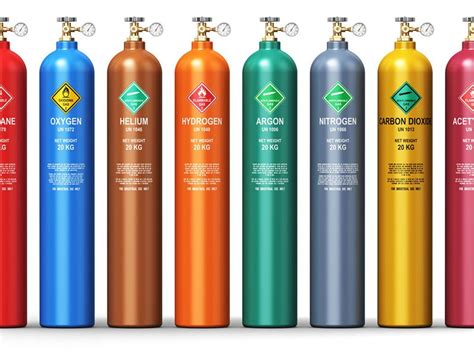
Medical gases have a wide range of applications in healthcare settings. Oxygen, for example, is used to treat patients with respiratory conditions, such as chronic obstructive pulmonary disease (COPD) and pneumonia. Nitrous oxide, on the other hand, is commonly used as an anesthetic gas, providing pain relief and sedation during surgical procedures. Medical air, which is a mixture of oxygen and nitrogen, is used to power medical devices, such as ventilators and anesthesia machines. Carbon dioxide, meanwhile, is used in laparoscopic surgery and as a component of anesthesia gas mixtures.
Safety Considerations
The handling and storage of medical gases require careful attention to safety considerations. Medical gas cylinders, for example, must be properly labeled and stored to prevent mix-ups and accidents. The cylinders must also be regularly inspected and maintained to ensure that they are in good working condition. Additionally, medical gas systems must be designed and installed in accordance with relevant standards and regulations, such as those set by the National Fire Protection Association (NFPA) and the Compressed Gas Association (CGA).
| Medical Gas | Application | Safety Considerations |
|---|---|---|
| Oxygen | Treatment of respiratory conditions | Proper handling and storage to prevent fires and explosions |
| Nitrous Oxide | Anesthesia and pain relief | Proper ventilation to prevent accumulation of gas |
| Medical Air | Powering medical devices | Regular maintenance and testing to ensure optimal performance |
| Carbon Dioxide | Laparoscopic surgery and anesthesia gas mixtures | Proper handling and storage to prevent accidents and exposure |
Medical Gas Systems
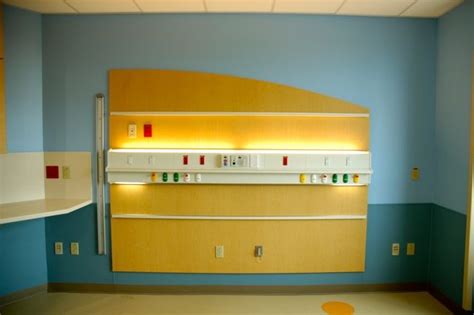
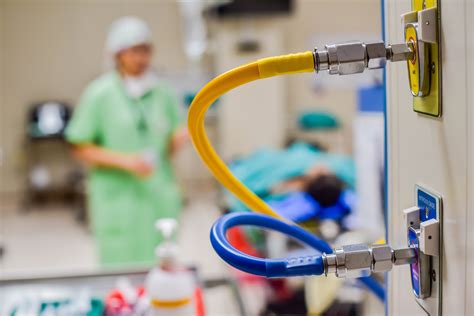
Medical gas systems are designed to deliver medical gases to patients and medical devices. These systems typically consist of a source of medical gas, a distribution system, and a delivery system. The source of medical gas can be a cylinder or a bulk tank, while the distribution system includes piping and valves that transport the gas to the point of use. The delivery system, meanwhile, includes regulators, flowmeters, and other devices that control the flow of gas to the patient or medical device.
Design and Installation
The design and installation of medical gas systems must be done in accordance with relevant standards and regulations. This includes the NFPA 99 standard, which provides guidelines for the design, installation, and testing of medical gas systems. The standard requires that medical gas systems be designed to ensure the safe and reliable delivery of medical gases, with features such as automatic shut-off valves and alarms to prevent accidents and exposure.
Regular maintenance and testing of medical gas systems are also crucial to ensure optimal performance and safety. This includes regular inspection of the system, as well as testing of the gas quality and flow rates. By taking these precautions, healthcare providers can ensure that medical gas systems are functioning properly and safely, providing high-quality patient care.
What are the most common medical gases used in healthcare settings?
+The most common medical gases used in healthcare settings include oxygen, nitrous oxide, carbon dioxide, and medical air.
What are the safety considerations for handling and storing medical gas cylinders?
+Medical gas cylinders must be properly labeled and stored to prevent mix-ups and accidents. The cylinders must also be regularly inspected and maintained to ensure that they are in good working condition.
What is the importance of proper design and installation of medical gas systems?
+Proper design and installation of medical gas systems are crucial to ensure the safe and reliable delivery of medical gases. This includes adherence to relevant standards and regulations, such as the NFPA 99 standard.
In conclusion, medical gases play a vital role in healthcare settings, and their safe and effective use is crucial for patient care. By understanding the applications, safety considerations, and importance of proper handling and storage of medical gases, healthcare providers can ensure the delivery of high-quality patient care. Additionally, the design and installation of medical gas systems must be done in accordance with relevant standards and regulations, with regular maintenance and testing to ensure optimal performance and safety.