The role of a medical assistant is a vital component of the healthcare system, providing essential support to physicians, nurses, and other healthcare professionals. As the demand for healthcare services continues to grow, the need for skilled medical assistants has never been more pressing. In this article, we will delve into the medical assistant requirements, exploring the key skills, qualifications, and certifications necessary to succeed in this rewarding career.
Education and Training
Medical assistants typically require postsecondary education, with the majority of programs leading to a certificate, diploma, or associate’s degree. These programs, which can last from several months to two years, cover a range of topics, including anatomy, physiology, medical terminology, and clinical procedures. Many community colleges, vocational schools, and online institutions offer medical assistant programs, which are often accredited by the Commission on Accreditation of Allied Health Education Programs (CAAHEP) or the Accrediting Bureau of Health Education Schools (ABHES). Accreditation is crucial, as it ensures that the program meets the necessary standards for education and training.
Certification and Licensure
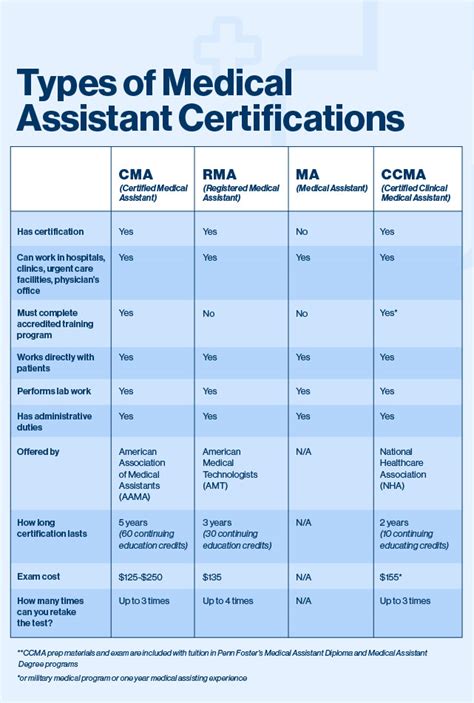
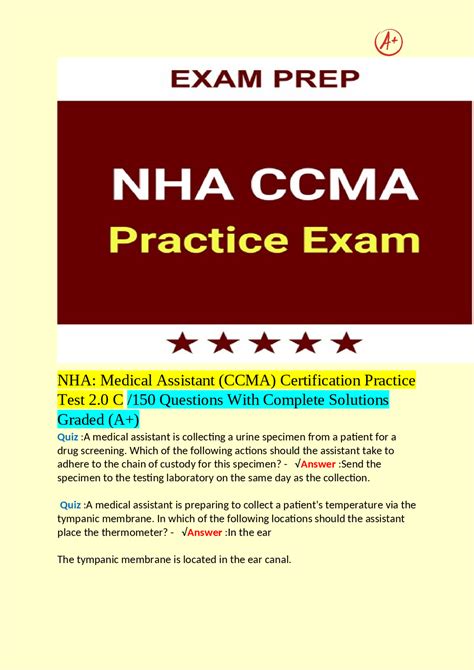
While certification is not always required, it is highly recommended, as it demonstrates a level of competence and expertise in the field. The most common certifications for medical assistants are the Certified Medical Assistant (CMA) and the Registered Medical Assistant (RMA). To become certified, medical assistants must pass a certification exam, such as the CMA (AAMA) Certification Exam or the RMA Certification Exam. Licensure requirements vary by state, with some states requiring medical assistants to be licensed or registered to practice.
| Certification | Issuing Organization | Requirements |
|---|---|---|
| Certified Medical Assistant (CMA) | American Association of Medical Assistants (AAMA) | Graduation from an accredited program, passage of the CMA (AAMA) Certification Exam |
| Registered Medical Assistant (RMA) | American Medical Technologists (AMT) | Graduation from an accredited program, passage of the RMA Certification Exam |

Key Points
- Medical assistants typically require postsecondary education, with programs leading to a certificate, diploma, or associate's degree.
- Certification is highly recommended, with the most common certifications being the Certified Medical Assistant (CMA) and the Registered Medical Assistant (RMA).
- Licensure requirements vary by state, with some states requiring medical assistants to be licensed or registered to practice.
- Medical assistants must possess strong communication and interpersonal skills, as well as the ability to work effectively in a team environment.
- Staying current with the latest developments in the field is crucial for medical assistants, including advancements in medical technology and changes in healthcare laws and regulations.
Clinical and Administrative Skills
Medical assistants must possess a range of clinical and administrative skills, including taking vital signs, preparing patients for exams, and assisting with medical procedures. They must also be skilled in administrative tasks, such as scheduling appointments, maintaining patient records, and handling billing and insurance claims. Electronic health records (EHRs) have become an essential tool in healthcare, and medical assistants must be proficient in their use.
Soft Skills and Personal Qualities
In addition to technical skills, medical assistants must possess strong soft skills and personal qualities, including communication, empathy, and attention to detail. They must be able to work effectively in a team environment, providing excellent patient care and support to healthcare professionals. Continuous learning is also essential, as medical assistants must stay current with the latest developments in the field and adapt to changing healthcare needs.
According to the Bureau of Labor Statistics (BLS), employment of medical assistants is projected to grow 19% from 2020 to 2030, much faster than the average for all occupations. This growth is driven by an aging population, an increased focus on preventive care, and the need for healthcare services in rural and underserved areas. As the demand for healthcare services continues to grow, the need for skilled medical assistants has never been more pressing.
What are the typical duties of a medical assistant?
+Medical assistants are responsible for a range of clinical and administrative tasks, including taking vital signs, preparing patients for exams, assisting with medical procedures, scheduling appointments, and maintaining patient records.
Do medical assistants need to be certified?
+While certification is not always required, it is highly recommended, as it demonstrates a level of competence and expertise in the field. The most common certifications for medical assistants are the Certified Medical Assistant (CMA) and the Registered Medical Assistant (RMA).
What are the prospects for medical assistant jobs?
+According to the Bureau of Labor Statistics (BLS), employment of medical assistants is projected to grow 19% from 2020 to 2030, much faster than the average for all occupations. This growth is driven by an aging population, an increased focus on preventive care, and the need for healthcare services in rural and underserved areas.
In conclusion, the role of a medical assistant is a vital component of the healthcare system, providing essential support to physicians, nurses, and other healthcare professionals. To succeed in this rewarding career, medical assistants must possess a range of clinical and administrative skills, as well as strong soft skills and personal qualities. By staying current with the latest developments in the field and adapting to changing healthcare needs, medical assistants can provide excellent patient care and support to healthcare professionals, while also advancing their own careers and contributing to the growth and development of the healthcare industry.