The medical acronym LOC, which stands for Level of Consciousness, is a crucial term in the field of medicine, particularly in neurology and emergency medicine. It refers to the degree to which a patient is aware of their surroundings and able to respond to stimuli. The level of consciousness is a vital indicator of a patient's neurological status and can provide valuable information about the severity of their condition.
In medical settings, healthcare professionals use various scales and assessments to evaluate a patient's level of consciousness. One of the most commonly used scales is the Glasgow Coma Scale (GCS), which assesses a patient's eye opening, verbal response, and motor response. The GCS scores range from 3 to 15, with higher scores indicating a higher level of consciousness. For example, a patient with a GCS score of 15 is fully awake and alert, while a patient with a score of 3 is in a deep coma.
Key Points
- LOC is a critical indicator of a patient's neurological status
- The Glasgow Coma Scale (GCS) is a widely used assessment tool for evaluating LOC
- LOC can be affected by various factors, including head trauma, stroke, and neurological disorders
- Accurate assessment of LOC is essential for providing appropriate medical care and predicting patient outcomes
- Healthcare professionals use various interventions, such as medication and rehabilitation, to manage and improve LOC in patients
Understanding the Glasgow Coma Scale

The Glasgow Coma Scale is a reliable and widely used tool for assessing a patient’s level of consciousness. It evaluates three aspects of a patient’s behavior: eye opening, verbal response, and motor response. The eye opening component assesses a patient’s ability to open their eyes, with scores ranging from 1 (no eye opening) to 4 (spontaneous eye opening). The verbal response component evaluates a patient’s ability to speak, with scores ranging from 1 (no verbal response) to 5 (oriented and converses normally). The motor response component assesses a patient’s ability to move, with scores ranging from 1 (no motor response) to 6 (obeys commands).
Factors Affecting Level of Consciousness
Various factors can affect a patient’s level of consciousness, including head trauma, stroke, neurological disorders, and systemic illnesses. Head trauma, for example, can cause a patient’s level of consciousness to fluctuate, and in severe cases, can lead to a coma or even death. Stroke, on the other hand, can cause a patient’s level of consciousness to decline, especially if the stroke affects the brainstem or other critical areas. Neurological disorders, such as epilepsy and encephalitis, can also impact a patient’s level of consciousness, and may require prompt medical attention.
| Condition | Effect on LOC |
|---|---|
| Head Trauma | Fluctuating LOC, potential coma or death |
| Stroke | Decline in LOC, especially if brainstem is affected |
| Neurological Disorders | Impact on LOC, may require prompt medical attention |
| Systemic Illnesses | Potential decline in LOC, especially if severe or untreated |
Assessment and Management of Level of Consciousness
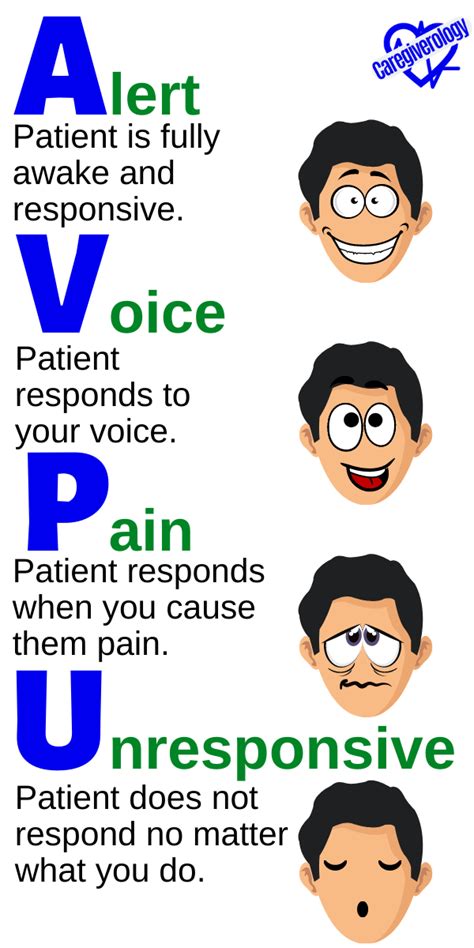
Accurate assessment of a patient’s level of consciousness is essential for providing appropriate medical care. Healthcare professionals use various tools, including the Glasgow Coma Scale, to evaluate a patient’s LOC and monitor changes over time. In addition to assessment, management of LOC involves a range of interventions, including medication, rehabilitation, and supportive care. Medications, such as sedatives and analgesics, may be used to manage pain, anxiety, and agitation, while rehabilitation therapies, such as physical, occupational, and speech therapy, can help improve a patient’s functional abilities and quality of life.
In conclusion, the medical acronym LOC is a critical term in the field of medicine, and understanding its significance is essential for providing high-quality patient care. By recognizing the factors that affect LOC, using reliable assessment tools, and implementing effective management strategies, healthcare professionals can improve patient outcomes and reduce the risk of complications.
What is the Glasgow Coma Scale, and how is it used to assess LOC?
+The Glasgow Coma Scale is a widely used assessment tool that evaluates a patient’s eye opening, verbal response, and motor response to determine their level of consciousness. It is used to assess patients with head trauma, stroke, and other neurological conditions.
What are some common factors that can affect a patient’s level of consciousness?
+Common factors that can affect a patient’s level of consciousness include head trauma, stroke, neurological disorders, and systemic illnesses. Other factors, such as medication, substance abuse, and sleep disorders, can also impact a patient’s LOC.
How is LOC managed in patients with neurological conditions?
+Management of LOC in patients with neurological conditions involves a range of interventions, including medication, rehabilitation, and supportive care. Healthcare professionals work with patients and their families to develop individualized care plans that address their unique needs and promote optimal outcomes.