The Medical College Admission Test (MCAT) is a pivotal examination for aspiring medical professionals, assessing their knowledge in areas like biology, chemistry, physics, and critical thinking. With its challenging content and time-sensitive format, preparing for the MCAT requires a strategic and diligent approach. Here, we will explore seven study tips designed to help students navigate their MCAT preparation effectively.
Key Points
- Understand the exam format and content to tailor your study plan.
- Develop a personalized study schedule to manage time efficiently.
- Utilize a combination of study materials, including official guides, online resources, and practice exams.
- Focus on improving your weaknesses while maintaining proficiency in your strengths.
- Incorporate active learning techniques, such as summarizing information in your own words and creating concept maps.
- Practice under timed conditions to simulate the actual test experience.
- Review and analyze your performance on practice exams to identify areas for improvement.
Comprehensive Understanding of the MCAT Format
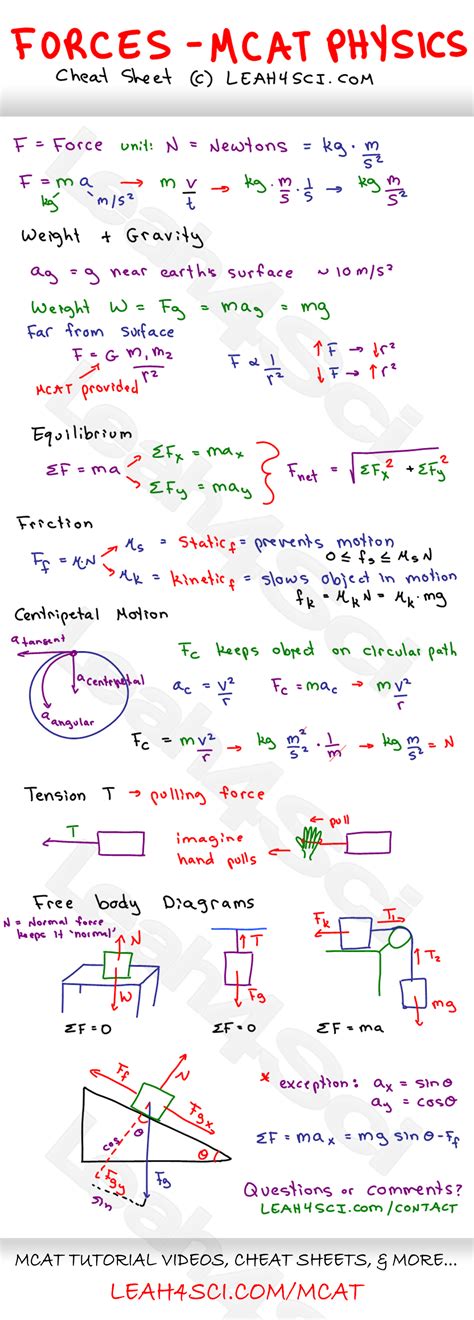
To begin with, it’s essential to have a comprehensive understanding of the MCAT format. The exam is divided into four sections: Biological and Biochemical Foundations of Living Systems, Chemical and Physical Foundations of Biological Systems, Psychological, Social, and Biological Foundations of Behavior, and Critical Analysis and Reasoning Skills. Each section tests different aspects of knowledge and critical thinking. By understanding the structure and content of the exam, students can tailor their study plan to focus on areas where they need the most improvement.
Personalized Study Plan
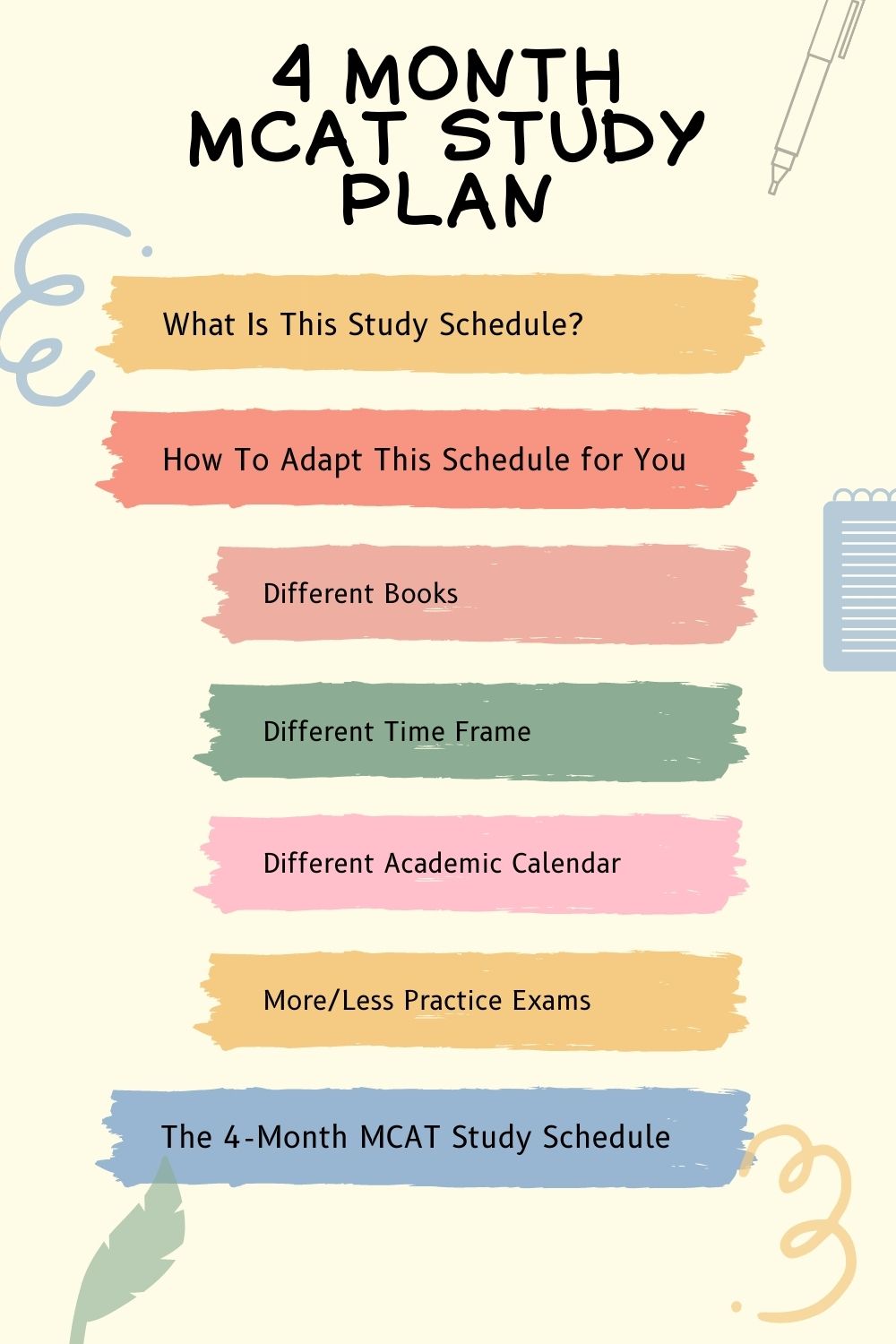
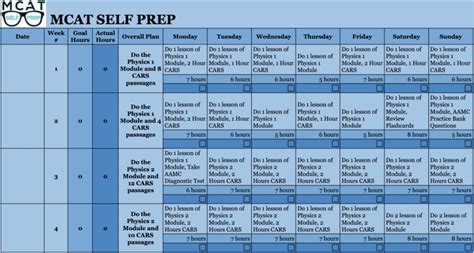
A personalized study plan is crucial for effective MCAT preparation. This involves setting specific, achievable goals and allocating time for studying each subject. A well-structured plan should also include regular practice exams and review sessions. Given the vast amount of material to cover, managing time efficiently is key. Students should prioritize their studying based on their strengths and weaknesses, focusing more on areas where they struggle.
| Study Material | Description |
|---|---|
| Official MCAT Guides | Provided by the Association of American Medical Colleges (AAMC), these guides offer authentic questions and insights into the exam format. |
| Online Courses and Resources | Platforms like Kaplan, Magoosh, and Blueprints provide comprehensive study materials, including video lessons, practice questions, and mobile apps for flexible studying. |
| Practice Exams | Regular practice under timed conditions helps simulate the actual test experience, building endurance and time management skills. |
Active Learning and Practice
Active learning techniques are vital for retaining information and understanding complex concepts. This can involve summarizing notes in your own words, creating concept maps, or teaching the material to someone else. Additionally, incorporating a variety of study materials can help keep the study process engaging and prevent burnout. Practice exams are a critical component of MCAT preparation, allowing students to assess their knowledge, identify weaknesses, and track their progress over time.
Review and Analysis
After taking practice exams, it’s essential to review and analyze your performance. This involves identifying areas where you performed well and those where you need improvement. By focusing on your weaknesses and working to strengthen them, you can achieve a more balanced level of knowledge and improve your overall score. Review sessions should also include going over the explanations for questions you got wrong, to understand the correct approach and learn from your mistakes.
Simulating Test Conditions
Practicing under timed conditions is crucial for building the endurance needed to complete the actual MCAT. The exam is lengthy, and managing time effectively is essential for answering all questions within the allotted time. By simulating test conditions during practice, students can get used to the pressure and time constraints, helping them stay focused and composed during the real exam.
Maintaining Balance and Health
Lastly, it’s important to maintain a balance between studying and other aspects of life. Preparing for the MCAT can be stressful and demanding, but neglecting health and well-being can negatively impact performance. Ensuring adequate sleep, a healthy diet, and regular exercise can help manage stress and support cognitive function. Taking breaks and engaging in activities you enjoy can also help prevent burnout and keep you motivated throughout the study process.
How long does it typically take to prepare for the MCAT?
+Preparation time can vary significantly from person to person, but most students spend between 3 to 6 months studying for the MCAT, with some choosing to study for a year or more. The key is consistent and efficient studying rather than the duration.
What are the most challenging sections of the MCAT?
+The difficulty of MCAT sections can vary depending on the individual's background and strengths. However, the Critical Analysis and Reasoning Skills (CARS) section is often reported as particularly challenging due to its demanding passages and complex question types.
Can I prepare for the MCAT without using commercial study materials?
+While commercial study materials can be helpful, they are not the only resources available. The official MCAT guides, along with free online resources and textbooks, can provide a comprehensive study foundation. However, using a combination of resources often yields the best results.
In conclusion, preparing for the MCAT is a multifaceted process that requires a deep understanding of the exam, a well-structured study plan, and the ability to practice effectively. By incorporating these study tips into their preparation, students can approach the MCAT with confidence, ready to demonstrate their knowledge and skills to pursue their medical education.