
For individuals dealing with digestive issues, managing their diet is a crucial step towards alleviating symptoms and promoting overall digestive health. One approach that has gained significant attention is the incorporation of low residue foods into one's diet. Low residue foods are those that are easy to digest and tend to leave fewer residual particles in the colon, thereby reducing the burden on the digestive system. Understanding the concept of low residue foods and how they can benefit digestive health is essential for making informed dietary choices.
Understanding Low Residue Foods
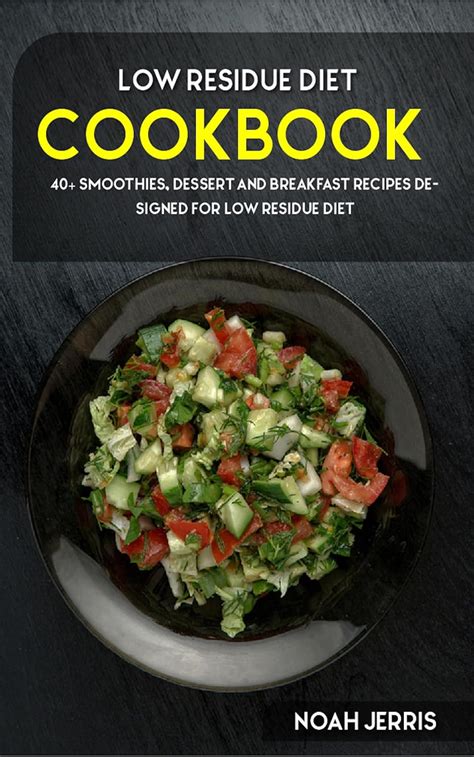
Low residue foods are characterized by their low fiber and low residue content, making them less likely to cause irritation or discomfort in the digestive tract. These foods are often recommended for individuals with certain gastrointestinal conditions, such as inflammatory bowel disease (IBD), irritable bowel syndrome (IBS), or those who are undergoing bowel preparation for surgery or colonoscopy. The rationale behind a low residue diet is to minimize the amount of undigested food that reaches the colon, thereby reducing inflammation, diarrhea, and other symptoms associated with digestive disorders.
Examples of Low Residue Foods
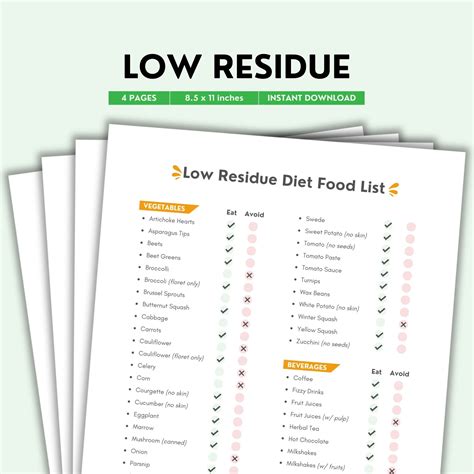
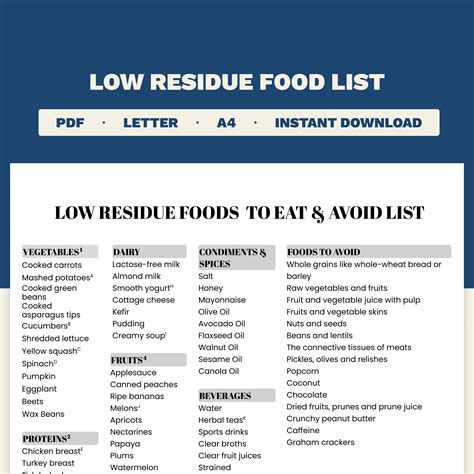
Examples of low residue foods include white bread, plain crackers, cooked vegetables like carrots and green beans, lean proteins such as chicken and fish, and dairy products like milk and yogurt (for those who are not lactose intolerant). It’s also important to note that foods should be cooked until they are tender, as this can make them easier to digest. Fruits like bananas and avocados are also considered low in residue, although they should be consumed in moderation due to their natural sugars and fats.
| Food Category | Examples of Low Residue Foods |
|---|---|
| Grains | White bread, plain crackers, white rice |
| Vegetables | Cooked carrots, green beans, peeled potatoes |
| Proteins | Chicken, fish, eggs, tofu |
| Fruits | Bananas, avocados, applesauce |
| Dairy | Milk, yogurt, cheese (for those not lactose intolerant) |
Key Points
- Low residue foods are easy to digest and leave fewer particles in the colon, which can help reduce digestive symptoms.
- Examples of low residue foods include white bread, cooked vegetables, lean proteins, and certain fruits and dairy products.
- A low residue diet is often recommended for individuals with gastrointestinal conditions or those undergoing bowel preparation.
- It's essential to consume a balanced diet that meets nutritional needs, even when following a low residue diet.
- Consulting with a healthcare provider or a registered dietitian can help tailor a diet plan that suits individual needs and health conditions.
Benefits of Low Residue Foods for Digestive Health
The benefits of incorporating low residue foods into one’s diet for digestive health are multifaceted. Firstly, these foods can help reduce the frequency and severity of symptoms such as diarrhea, abdominal pain, and bloating in individuals with IBS or IBD. Secondly, a low residue diet can aid in the healing process of the gut lining, which is crucial for individuals with inflammatory bowel diseases. Lastly, by minimizing the amount of undigested food that reaches the colon, low residue foods can help manage and potentially reduce the risk of complications associated with digestive disorders.
Managing Digestive Symptoms with Low Residue Foods
For individuals looking to manage their digestive symptoms through dietary changes, it’s essential to approach the transition to a low residue diet gradually. Suddenly changing one’s diet can sometimes exacerbate symptoms, so introducing low residue foods gradually while monitoring digestive responses can help identify which foods are well-tolerated and which may need to be avoided. Additionally, keeping a food diary can provide valuable insights into how different foods affect digestive health.
In conclusion, low residue foods play a significant role in managing digestive health, especially for individuals dealing with gastrointestinal conditions. By understanding what constitutes low residue foods and incorporating them into one's diet in a balanced and informed manner, individuals can take a proactive step towards alleviating digestive symptoms and promoting overall well-being. However, it's always recommended to consult with healthcare professionals to tailor dietary advice to individual health needs and conditions.
What are the primary benefits of a low residue diet for digestive health?
+The primary benefits include reduced symptoms of digestive disorders such as IBS and IBD, aid in the healing of the gut lining, and management of complications associated with these conditions.
How should I introduce low residue foods into my diet?
+It’s recommended to introduce low residue foods gradually, monitoring your digestive response to each new food, and keeping a food diary to track which foods are well-tolerated.
Are there any potential drawbacks to a low residue diet that I should be aware of?
+Yes, a low residue diet may not provide all the necessary nutrients for long-term health, so it’s crucial to work with a healthcare provider or a registered dietitian to ensure your dietary needs are met.