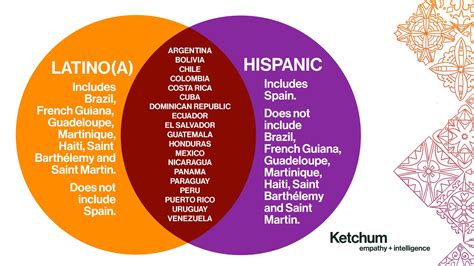
The terms "Latino" and "Hispanic" are often used interchangeably, but they have distinct meanings and connotations. Understanding the difference between these two terms is essential for effective communication, cultural sensitivity, and accurate representation of diverse populations. In this article, we will delve into the nuances of these terms, exploring their historical context, cultural significance, and practical applications.
Key Points
- The terms "Latino" and "Hispanic" refer to different aspects of identity and culture.
- "Latino" encompasses a broader geographic and cultural context, including people from Latin America and those of Latin American descent.
- "Hispanic" specifically refers to people from Spanish-speaking countries or with Spanish ancestry.
- The choice between "Latino" and "Hispanic" depends on the context, personal preference, and cultural identity.
- Both terms are important for understanding and respecting the diversity of Latin American and Spanish-speaking communities.
Historical Context and Definitions
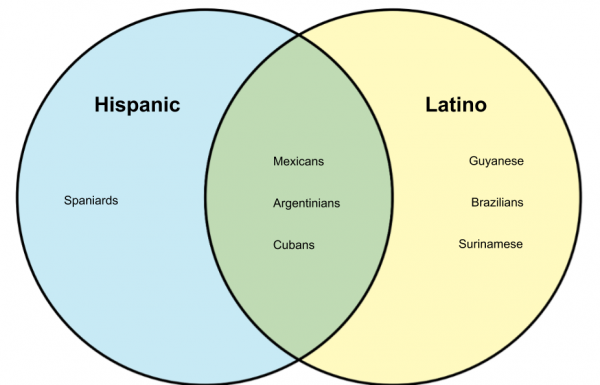
The term “Hispanic” originated from the Latin word “Hispania,” which referred to the Iberian Peninsula, comprising present-day Spain and Portugal. In the United States, the term “Hispanic” was initially used to describe people from Spanish-speaking countries, particularly Spain, Mexico, and other Latin American nations. Over time, the term has evolved to include people of Spanish ancestry, regardless of their country of origin.
In contrast, the term “Latino” is derived from the Latin word “Latinus,” meaning “of or pertaining to Latin.” This term encompasses a broader geographic and cultural context, including people from Latin America, which comprises countries in Central America, South America, and the Caribbean. “Latino” also includes people of Latin American descent, regardless of their country of origin or language spoken.
Cultural Significance and Identity
The distinction between “Latino” and “Hispanic” is not merely semantic; it reflects different aspects of identity and culture. “Hispanic” emphasizes the Spanish language and cultural heritage, whereas “Latino” highlights the shared experiences and cultural traditions of people from Latin America. For example, people from Brazil, which is the largest country in both South America and the Latin American region, may identify as Latino but not Hispanic, as their primary language is Portuguese, not Spanish.
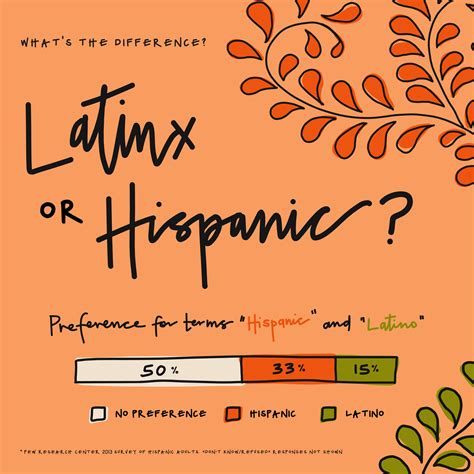
Moreover, the choice between “Latino” and “Hispanic” can depend on personal preference, cultural identity, and context. Some individuals may prefer “Latino” because it acknowledges their Latin American roots and cultural diversity, while others may prefer “Hispanic” because it highlights their Spanish language and heritage.
| Term | Definition | Geographic Scope |
|---|---|---|
| Latino | People from Latin America or of Latin American descent | Latin America, including Central America, South America, and the Caribbean |
| Hispanic | People from Spanish-speaking countries or with Spanish ancestry | Spain, Mexico, and other Latin American countries with Spanish as an official language |
Practical Applications and Implications
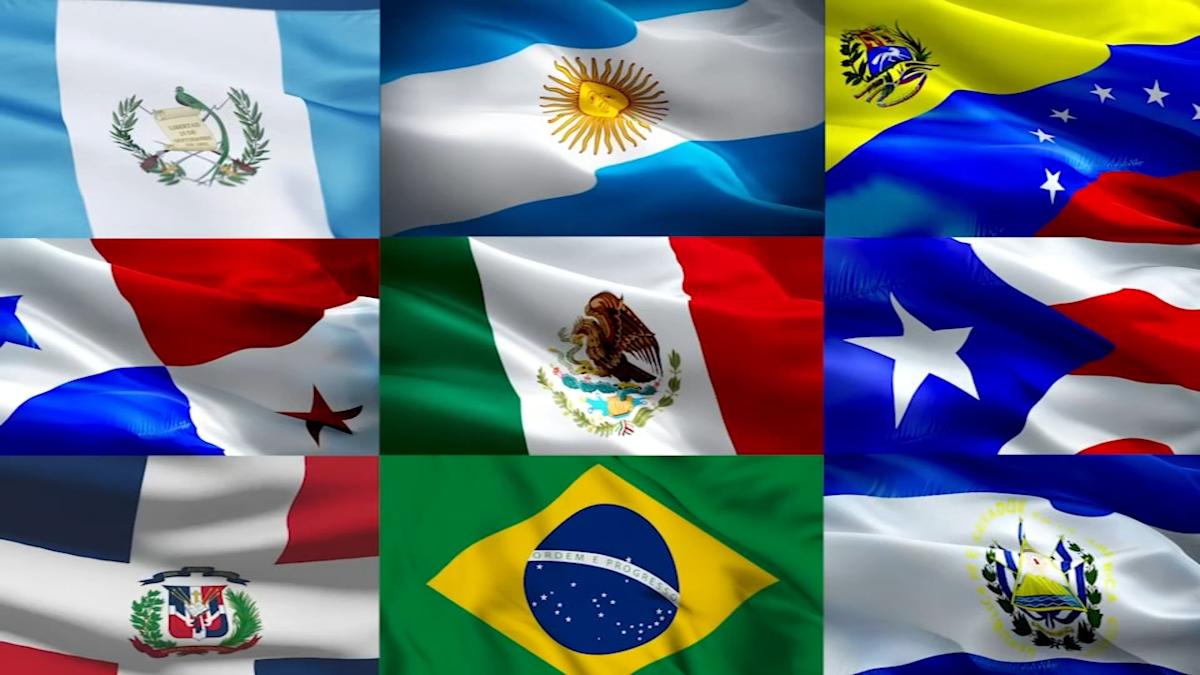
The distinction between “Latino” and “Hispanic” has significant implications for various fields, including education, healthcare, marketing, and social sciences. For instance, in education, understanding the differences between these terms can help educators develop more effective curricula and instructional materials that cater to the diverse needs and experiences of Latino and Hispanic students.
In healthcare, recognizing the cultural and linguistic differences between Latino and Hispanic populations can inform the development of targeted health interventions, improve patient outcomes, and reduce health disparities. Similarly, in marketing and advertising, using the correct terminology can help businesses connect with their target audience, build brand loyalty, and avoid cultural insensitivity.
Forward-Looking Implications and Future Directions
As the Latino and Hispanic populations continue to grow and diversify, it is essential to consider the evolving meanings and connotations of these terms. Future research should focus on exploring the intersections between language, culture, and identity, as well as the implications of these intersections for various fields and industries.
Moreover, it is crucial to recognize that the terms “Latino” and “Hispanic” are not mutually exclusive, and many individuals may identify with both terms or neither. By embracing this complexity and nuance, we can work towards creating a more inclusive and equitable society that values and respects the diversity of Latin American and Spanish-speaking communities.
What is the main difference between "Latino" and "Hispanic"?
+The main difference between "Latino" and "Hispanic" lies in their geographic and cultural scope. "Latino" refers to people from Latin America or of Latin American descent, while "Hispanic" specifically refers to people from Spanish-speaking countries or with Spanish ancestry.
Can someone be both Latino and Hispanic?
+Yes, someone can be both Latino and Hispanic. For example, a person from Mexico or Spain may identify as both Latino (due to their Latin American roots) and Hispanic (due to their Spanish language and heritage).
Why is it important to understand the difference between "Latino" and "Hispanic"?
+Understanding the difference between "Latino" and "Hispanic" is essential for effective communication, cultural sensitivity, and accurate representation of diverse populations. By recognizing the distinct meanings and connotations of these terms, we can foster greater empathy, inclusivity, and respect for the rich cultural heritage of Latin American and Spanish-speaking communities.
In conclusion, the terms “Latino” and “Hispanic” are not interchangeable, and each has its unique cultural significance and identity. By understanding the differences between these terms, we can promote greater cultural sensitivity, inclusivity, and respect for the diverse experiences and traditions of Latin American and Spanish-speaking communities.