
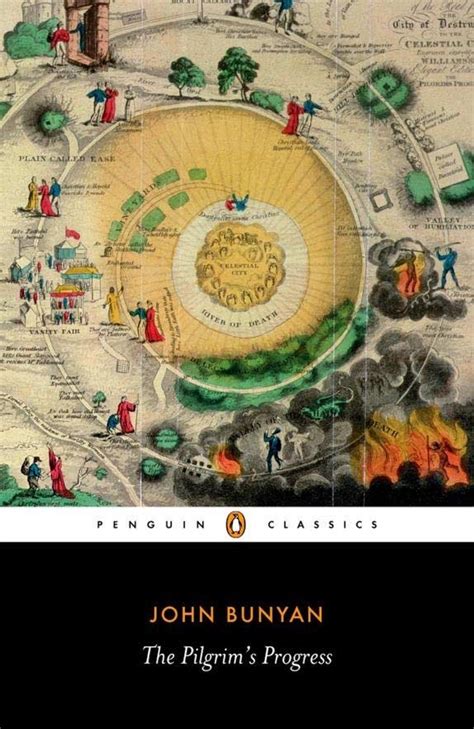
The Pilgrim's Progress, written by John Bunyan in 1678, is a timeless allegory that has been a cornerstone of Christian literature for centuries. This masterpiece has been a source of inspiration, guidance, and comfort for countless individuals on their spiritual journeys. The story follows the protagonist, Christian, as he embarks on a perilous journey from the City of Destruction to the Celestial City, encountering various obstacles, characters, and lessons along the way. In this article, we will delve into 7 essential lessons from Pilgrim's Progress, exploring their relevance, significance, and application in our modern lives.
Key Points
- The importance of recognizing and acknowledging one's spiritual state
- The need for perseverance and determination in the face of adversity
- The dangers of spiritual complacency and the importance of continued growth
- The value of fellowship and community in the Christian journey
- The role of spiritual disciplines in deepening one's faith
- The reality of spiritual warfare and the need for vigilance
- The ultimate goal of the Christian journey: reaching the Celestial City
Lesson 1: Recognizing One’s Spiritual State

Christian’s journey begins with a profound realization of his spiritual state. He is burdened by a heavy backpack, symbolizing the weight of his sins, and is convinced that he must escape the City of Destruction to avoid eternal damnation. This lesson emphasizes the importance of acknowledging one’s spiritual condition, recognizing the gravity of sin, and seeking redemption. In today’s world, this lesson remains crucial, as many individuals struggle with spiritual awareness, often neglecting their spiritual well-being or downplaying the significance of sin.
The Role of Conviction
Christian’s conviction of sin is a pivotal moment in his journey. It is the catalyst for his decision to embark on the perilous path to the Celestial City. This highlights the importance of conviction in the Christian life. Conviction is the foundation upon which repentance, faith, and spiritual growth are built. Without conviction, individuals may remain apathetic or complacent, unaware of their need for spiritual transformation.
Lesson 2: Perseverance in Adversity

Throughout his journey, Christian faces numerous challenges, including the Slough of Despond, the Hill of Difficulty, and the Valley of the Shadow of Death. These obstacles test his resolve, forcing him to rely on his faith, perseverance, and the guidance of his companions. This lesson underscores the importance of perseverance in the face of adversity. Christians must be prepared to endure hardships, trusting in God’s sovereignty and provision, even when the path ahead seems uncertain or treacherous.
Overcoming Discouragement
Christian’s experiences in the Valley of the Shadow of Death and the Dungeon of Doubting Castle demonstrate the dangers of discouragement and doubt. These episodes serve as a reminder that even in the darkest moments, hope and faith can prevail. By drawing on the lessons of Christian’s journey, believers can develop the resilience and perseverance necessary to overcome the challenges they face, trusting that God is always present, even in the midst of adversity.
Lesson 3: Avoiding Spiritual Complacency
The character of Demas, who turns back from the journey, serves as a warning against spiritual complacency. Demas is tempted by the riches and pleasures of the world, illustrating the danger of becoming distracted from one’s spiritual goals. This lesson emphasizes the importance of continued growth and vigilance in the Christian life. Believers must remain committed to their faith, avoiding the pitfalls of complacency and worldliness, which can lead to spiritual stagnation and backsliding.
The Importance of Spiritual Disciplines
Christian’s journey highlights the value of spiritual disciplines, such as prayer, meditation, and fellowship, in deepening one’s faith and avoiding spiritual complacency. These practices help believers cultivate a deeper relationship with God, stay focused on their spiritual goals, and navigate the challenges of the Christian life with greater ease and confidence.
Lesson 4: The Value of Fellowship and Community
Christian’s relationships with other pilgrims, such as Faithful and Hopeful, demonstrate the importance of fellowship and community in the Christian journey. These companions provide support, encouragement, and guidance, helping Christian navigate the challenges he faces. This lesson emphasizes the need for believers to surround themselves with like-minded individuals who can offer spiritual support, accountability, and camaraderie.
The Role of Mentoring
The character of Evangelist, who guides Christian at the beginning of his journey, illustrates the importance of mentoring and discipleship in the Christian life. Evangelist provides Christian with crucial guidance, encouragement, and instruction, helping him navigate the early stages of his journey. This highlights the value of experienced believers investing in the lives of newer Christians, offering guidance, support, and wisdom to help them grow in their faith.
Lesson 5: Spiritual Warfare

Christian’s encounters with Apollyon, the dragon, and the giants demonstrate the reality of spiritual warfare. These episodes illustrate the ongoing struggle between good and evil, highlighting the need for believers to be vigilant and prepared to face spiritual attacks. This lesson emphasizes the importance of spiritual armor, including faith, prayer, and the Word of God, in defending against the forces of darkness.
The Importance of Spiritual Preparedness
Christian’s experiences in the Valley of the Shadow of Death and the Castle of Giant Despair serve as a reminder of the importance of spiritual preparedness. Believers must be equipped with the necessary spiritual tools, including a deep understanding of Scripture, a strong prayer life, and a commitment to obedience, to navigate the challenges of the Christian life with confidence and courage.
Lesson 6: The Importance of Forgiveness and Mercy
The character of the Interpreters, who welcome Christian and his companions into their home, illustrates the importance of forgiveness and mercy in the Christian life. The Interpreters’ kindness and generosity demonstrate the value of showing compassion and forgiveness to others, even when they have wronged us. This lesson emphasizes the need for believers to cultivate a spirit of forgiveness, mercy, and grace, reflecting the character of God in their interactions with others.
The Role of Rest and Refreshment
The Interpreters’ home serves as a place of rest and refreshment for Christian and his companions, highlighting the importance of taking time to rest and recharge in the Christian life. Believers must prioritize self-care, recognizing the need to balance activity and rest, to avoid burnout and maintain their spiritual vitality.
Lesson 7: The Ultimate Goal of the Christian Journey
The culmination of Christian’s journey, as he enters the Celestial City, serves as a reminder of the ultimate goal of the Christian life: to reach heaven and experience eternal fellowship with God. This lesson emphasizes the importance of keeping one’s eyes fixed on the ultimate prize, persevering through the challenges and trials of the Christian life, and trusting in God’s sovereign plan to bring believers safely home.
| Lesson | Description |
|---|---|
| Recognizing One's Spiritual State | Acknowledging the gravity of sin and seeking redemption |
| Perseverance in Adversity | Enduring hardships and trusting in God's sovereignty |
| Avoiding Spiritual Complacency | Remaining committed to one's faith and avoiding worldliness |
| The Value of Fellowship and Community | Surrounding oneself with like-minded individuals for spiritual support |
| Spiritual Warfare | Defending against spiritual attacks with faith, prayer, and Scripture |
| The Importance of Forgiveness and Mercy | Cultivating a spirit of compassion and forgiveness towards others |
| The Ultimate Goal of the Christian Journey | Pressing onward towards heaven and eternal fellowship with God |
What is the main theme of Pilgrim's Progress?
+The main theme of Pilgrim's Progress is the Christian journey, emphasizing the importance of perseverance, faith, and spiritual growth in overcoming the challenges of the Christian life.
Who is the protagonist of Pilgrim's Progress?
+The protagonist of Pilgrim's Progress is Christian, a pilgrim who embarks on a journey from the City of Destruction to the Celestial City.
What is the significance of the Celestial City in Pilgrim's Progress?
+The Celestial City represents the ultimate goal of the Christian journey, symbolizing heaven and eternal fellowship with God.
How can believers apply the lessons of Pilgrim's Progress to their lives?
+Believers can apply the lessons of Pilgrim's Progress by recognizing the importance of perseverance, faith, and spiritual growth, while cultivating a deeper relationship with God and surrounding themselves with like-minded individuals for spiritual support.
What is the role of spiritual disciplines in the Christian life, according to Pilgrim's Progress?
+Spiritual disciplines, such as prayer, meditation, and fellowship, play a crucial role in deepening one's faith, avoiding spiritual complacency, and navigating the challenges of the Christian life.
How does Pilgrim's Progress portray the reality of spiritual warfare?
+Pilgrim's Progress portrays spiritual warfare as a real and ongoing struggle between good and evil, emphasizing the need for believers to be vigilant and prepared to face spiritual attacks, using faith, prayer, and Scripture as their defense.
Meta Description: Discover the timeless wisdom of Pilgrim’s Progress, a 7-lesson journey exploring the Christian life, perseverance, spiritual growth, and the ultimate goal of reaching the Celestial City.