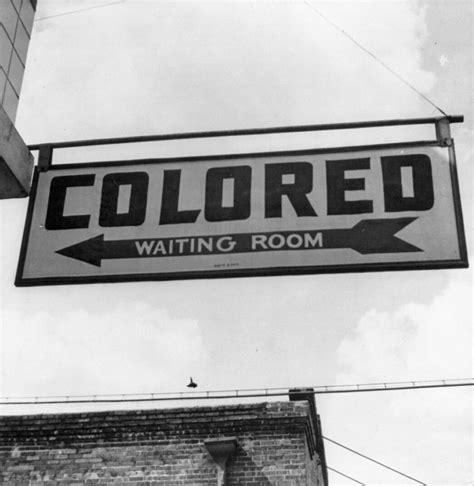
The Jim Crow era, which lasted from the late 19th century to the mid-20th century, was a period of significant racial segregation and discrimination in the United States. The term "Jim Crow" originated from a fictional character in a minstrel show, but it came to represent the system of laws and social norms that enforced racial segregation and disenfranchisement of African Americans. Here are five key facts about the Jim Crow era:
Key Points
- The Jim Crow era was marked by the enforcement of segregation laws, known as "Jim Crow laws," which mandated the separation of public facilities, services, and opportunities along racial lines.
- African Americans were systematically disenfranchised through poll taxes, literacy tests, and grandfather clauses, which made it difficult or impossible for them to vote.
- The Jim Crow era was also characterized by extreme violence and intimidation, including lynchings, beatings, and other forms of racial terror.
- Despite the challenges and dangers, African Americans resisted Jim Crow laws and practices through various forms of activism, including the Civil Rights Movement.
- The Jim Crow era officially came to an end with the passage of the Civil Rights Act of 1964 and the Voting Rights Act of 1965, which prohibited segregation and protected the voting rights of African Americans.
Origins of Jim Crow Laws
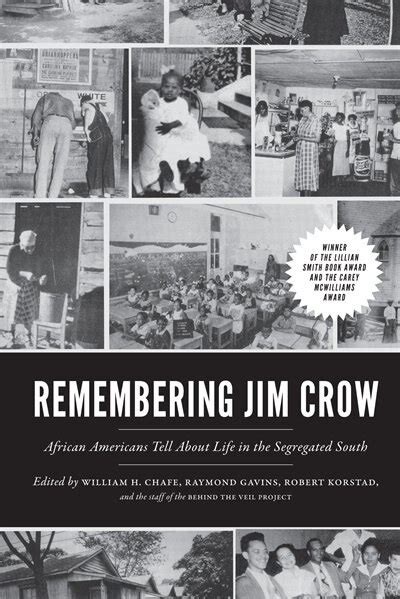
Jim Crow laws originated in the late 19th century, as Southern states began to enact laws that mandated segregation in public facilities, such as restaurants, hotels, and transportation. These laws were often justified as a way to maintain social order and prevent racial mixing, but they were also designed to reinforce white supremacy and restrict the rights and opportunities of African Americans. By the early 20th century, Jim Crow laws had become ubiquitous in the South, and they were enforced through a combination of legal sanctions and extralegal violence.
Impact of Jim Crow Laws on African Americans
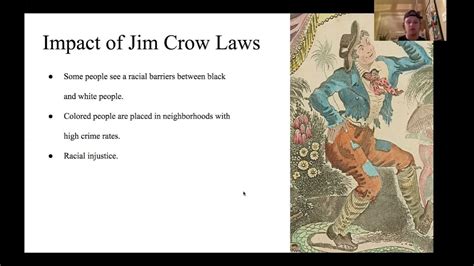
The impact of Jim Crow laws on African Americans was devastating. Segregation laws restricted their access to education, employment, and healthcare, and they were often forced to live in poverty and squalor. African Americans were also subjected to violence and intimidation, including lynchings, beatings, and other forms of racial terror. The psychological impact of Jim Crow laws was also significant, as African Americans were constantly reminded of their inferior status and were forced to live in a state of fear and anxiety.
| Year | Number of Lynchings |
|---|---|
| 1890 | 100 |
| 1900 | 115 |
| 1910 | 87 |
| 1920 | 53 |
Resistance to Jim Crow Laws
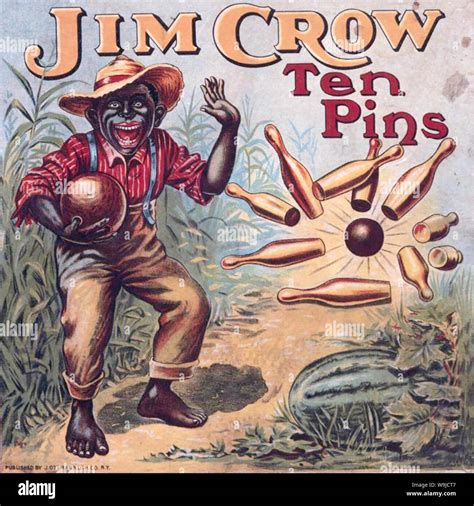
Despite the challenges and dangers, African Americans resisted Jim Crow laws and practices through various forms of activism. The Civil Rights Movement, which emerged in the 1950s and 1960s, was a major force in the struggle against Jim Crow laws. Leaders such as Martin Luther King Jr., Rosa Parks, and Malcolm X played key roles in the movement, which used nonviolent resistance, boycotts, and other forms of protest to challenge segregation and discrimination.
Key Figures in the Civil Rights Movement
The Civil Rights Movement was led by a diverse group of individuals who were committed to ending Jim Crow laws and promoting racial justice and equality. Martin Luther King Jr. was a prominent leader in the movement, and his message of nonviolent resistance and love helped to inspire a generation of activists. Rosa Parks, who refused to give up her seat on a Montgomery bus, was another key figure in the movement, and her bravery helped to spark the Montgomery Bus Boycott. Malcolm X, who advocated for the rights of African Americans through more radical means, was also an important figure in the movement.
What were the main features of Jim Crow laws?
+Jim Crow laws mandated segregation in public facilities, restricted voting rights, and enforced racial segregation in education, employment, and housing.
How did African Americans resist Jim Crow laws?
+African Americans resisted Jim Crow laws through various forms of activism, including nonviolent resistance, boycotts, and other forms of protest. The Civil Rights Movement was a major force in the struggle against Jim Crow laws.
What was the impact of Jim Crow laws on African American communities?
+Jim Crow laws had a devastating impact on African American communities, restricting their access to education, employment, and healthcare, and subjecting them to violence and intimidation.
In conclusion, the Jim Crow era was a period of significant racial segregation and discrimination in the United States. The legacy of Jim Crow laws continues to impact African American communities today, and understanding the history of this era is essential for promoting racial justice and equality. By examining the origins and impact of Jim Crow laws, as well as the resistance and activism that emerged in response to them, we can gain a deeper understanding of the ongoing struggle for racial justice and equality in the United States.