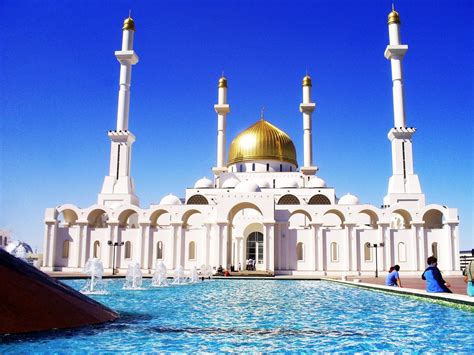
Islam, one of the world's major religions, is known for its rich spiritual practices and rituals that guide the daily lives of its followers. At its core, Islam is a monotheistic faith that emphasizes the belief in one God, known as Allah, and the prophetic tradition that culminates in Muhammad. The worship in Islam is designed to help believers develop a strong sense of devotion, morality, and community. Here, we explore five fundamental ways Muslims worship, highlighting the significance and practices associated with each.
The Five Pillars of Islam: Foundations of Worship
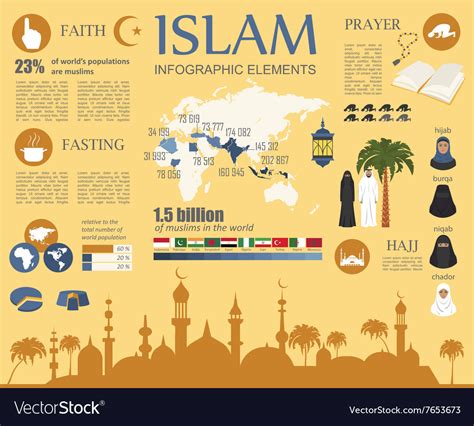
The foundation of Islamic worship is built around the Five Pillars, which are considered the basic acts of worship that every Muslim is expected to perform. These pillars are not just acts of worship but also a way of life, guiding Muslims in their relationship with God and their community.
1. Shahada: The Declaration of Faith
The first pillar is the Shahada, or the declaration of faith, which is the statement “There is no god but God, and Muhammad is the Messenger of God.” This declaration is a fundamental aspect of Islamic worship, as it reaffirms the believer’s commitment to the monotheistic nature of God and the prophetic mission of Muhammad. It is a testament to the belief in the oneness of God and the acceptance of Muhammad as the final prophet.
2. Salat: The Five Daily Prayers
The second pillar is Salat, which refers to the five daily prayers performed at specific times. These prayers are a direct link between the believer and God, consisting of recitations from the Quran, physical postures, and spiritual reflections. Each prayer has its unique time, ranging from dawn to night, and is obligatory for all Muslims who have reached puberty and are of sound mind.
3. Zakat: The Giving of Alms
Zakat, the third pillar, is the practice of giving a portion of one’s wealth to the poor and needy. It is a fundamental aspect of Islamic worship, emphasizing the importance of charity, compassion, and the equitable distribution of wealth. Zakat is not just a financial obligation but also a spiritual cleansing, as it helps believers to detach from material possessions and focus on their spiritual growth.
4. Sawm: Fasting During Ramadan
Sawm, or fasting, is the fourth pillar and is observed during the month of Ramadan. Muslims fast from dawn to sunset, abstaining from food, drink, and other physical needs. This practice is meant to develop self-control, empathy for those less fortunate, and a deeper connection with God. It is a period of intense spiritual reflection, prayer, and community bonding.
5. Hajj: The Pilgrimage to Mecca
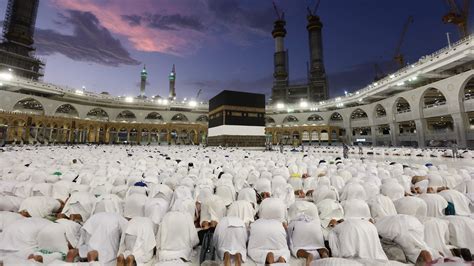
The fifth and final pillar is the Hajj, a pilgrimage to the holy city of Mecca that every able-bodied Muslim is expected to make at least once in their lifetime. The Hajj is a culmination of the Islamic worship experience, where millions of Muslims from around the world gather to perform rituals that commemorate the life of Abraham and his family. It is a powerful symbol of unity, equality, and the shared heritage of the Islamic community.
Key Points
- The Five Pillars of Islam are the foundation of Islamic worship, emphasizing faith, prayer, charity, fasting, and pilgrimage.
- Each pillar has specific practices and significance, contributing to the spiritual growth and community bonding of Muslims.
- The declaration of faith (Shahada) and the five daily prayers (Salat) are fundamental in reaffirming belief and connecting with God.
- Zakat (charity) and Sawm (fasting) promote social equity and self-discipline, respectively.
- The Hajj (pilgrimage) is a symbol of Islamic unity and a commemoration of Abraham's legacy.
| Pillar of Islam | Description |
|---|---|
| Shahada | Declaration of faith in one God and Muhammad as the Messenger of God. |
| Salat | Five daily prayers at specific times. |
| Zakat | Giving a portion of one's wealth to the poor and needy. |
| Sawm | Fasting during the month of Ramadan. |
| Hajj | Pilgrimage to the holy city of Mecca at least once in a lifetime. |
Understanding and practicing these pillars is essential for Muslims, as they form the basis of Islamic worship and guide believers in their journey towards spiritual enlightenment and community service. By fulfilling these obligations, Muslims seek to develop a stronger relationship with God and contribute positively to their communities.
What is the significance of the Five Pillars in Islamic worship?
+The Five Pillars are significant because they provide a framework for Muslims to practice their faith, develop spiritually, and bond with their community. They encompass the fundamental acts of worship that are obligatory for all Muslims.
How does the practice of Zakat contribute to Islamic worship?
+Zakat, or the giving of alms, is a crucial aspect of Islamic worship as it promotes charity, compassion, and the equitable distribution of wealth. It helps believers to detach from material possessions and focus on their spiritual growth.
What is the importance of the Hajj pilgrimage in Islamic worship?
+The Hajj is important as it symbolizes Islamic unity, commemorates the legacy of Abraham, and provides a unique opportunity for spiritual reflection and community bonding among Muslims from around the world.
In conclusion, Islamic worship is a multifaceted practice that encompasses a wide range of rituals, beliefs, and community activities. The Five Pillars of Islam serve as the bedrock of this practice, guiding Muslims in their spiritual journey, moral development, and social responsibilities. Through these pillars, Muslims seek to deepen their faith, foster a sense of community, and contribute to the betterment of society.